
“From Project to Object”: The Interaction Between Art and Science in the Pirelli Foundation Exhibition


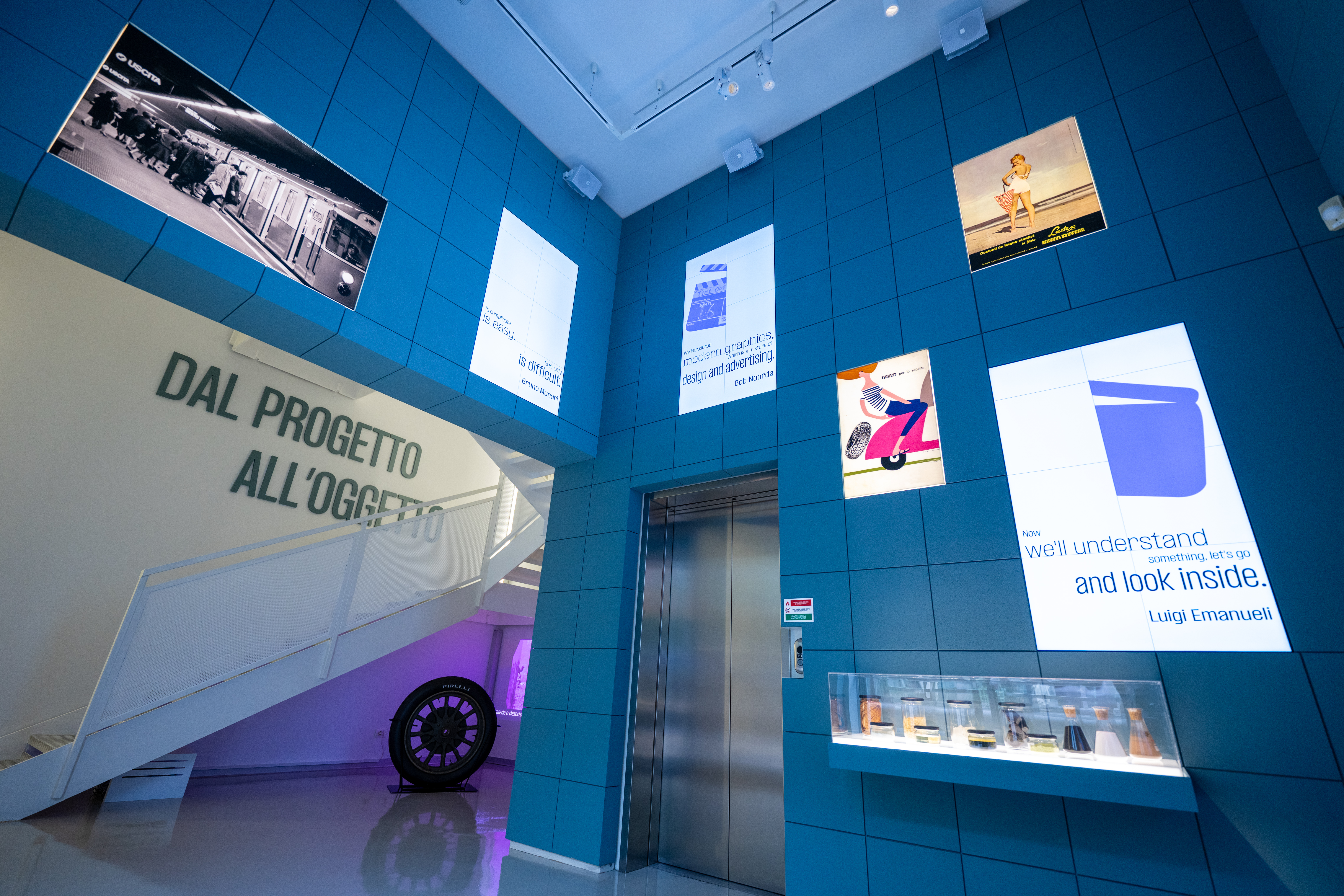
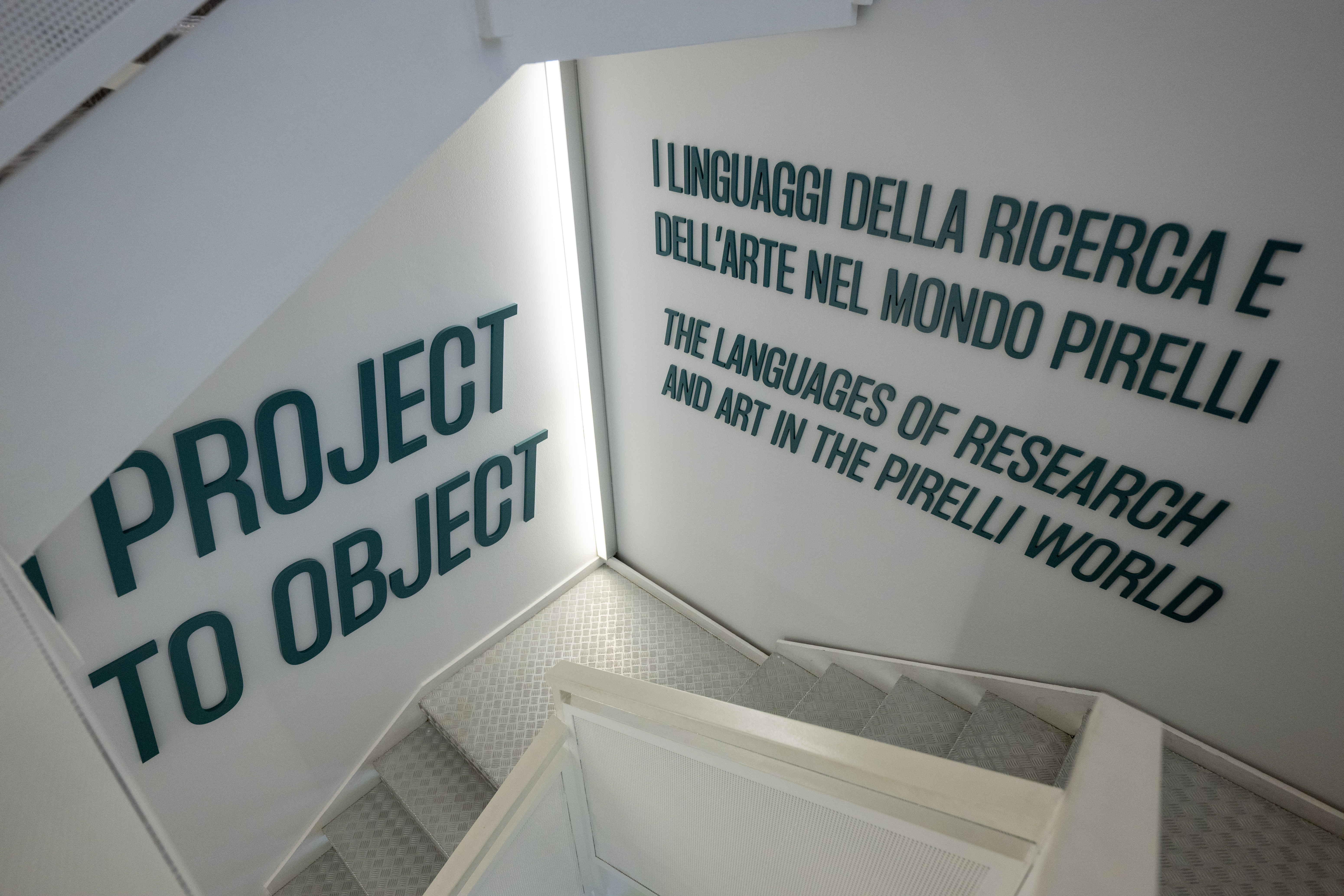
From concept to form, from vision to narrative: the exhibition From Project to Object: The Languages of Research and Art in the World of Pirelli traces the journey of iconic products branded with the “Long P”. It follows them from the original spark of an idea to their final creation and display. The exhibition creates a dialogue between the conceptual and the expressive, exploring the ways in which a project is conceived, developed, and interpreted. Within this dynamic balance of scientific research and artistic expression, the object emerges as the culmination of a complex process. Here, function and aesthetics converge to shape its identity.
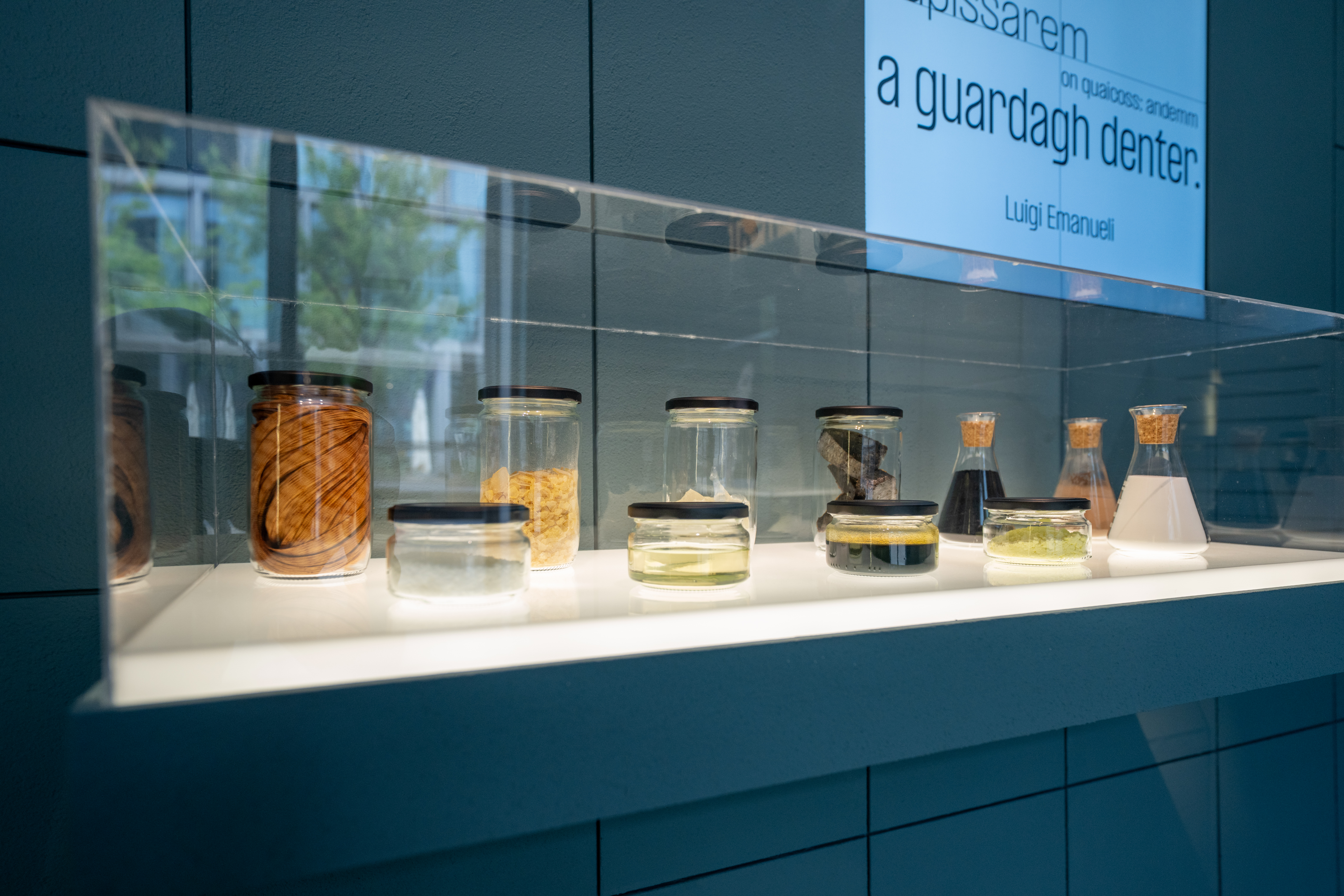
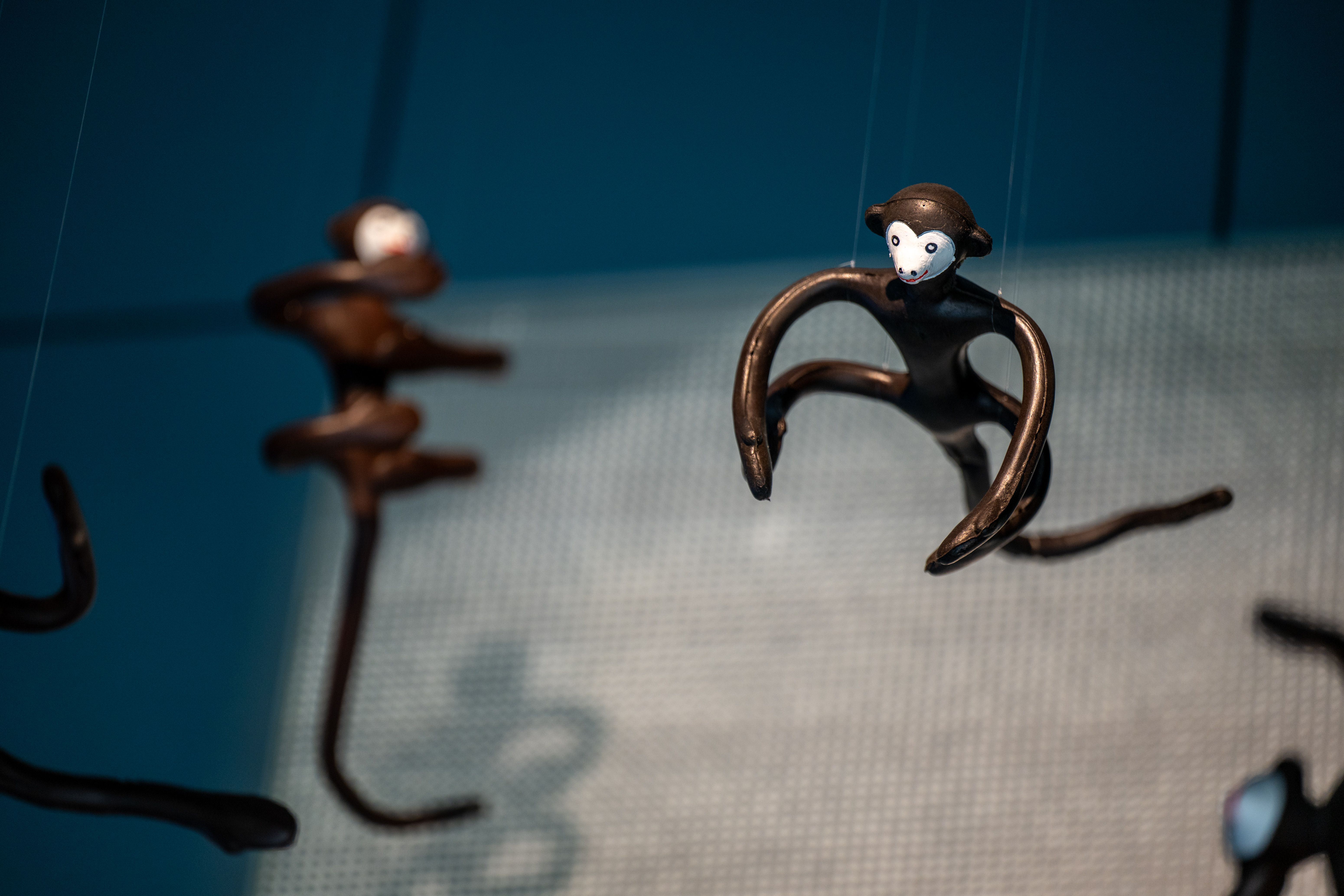
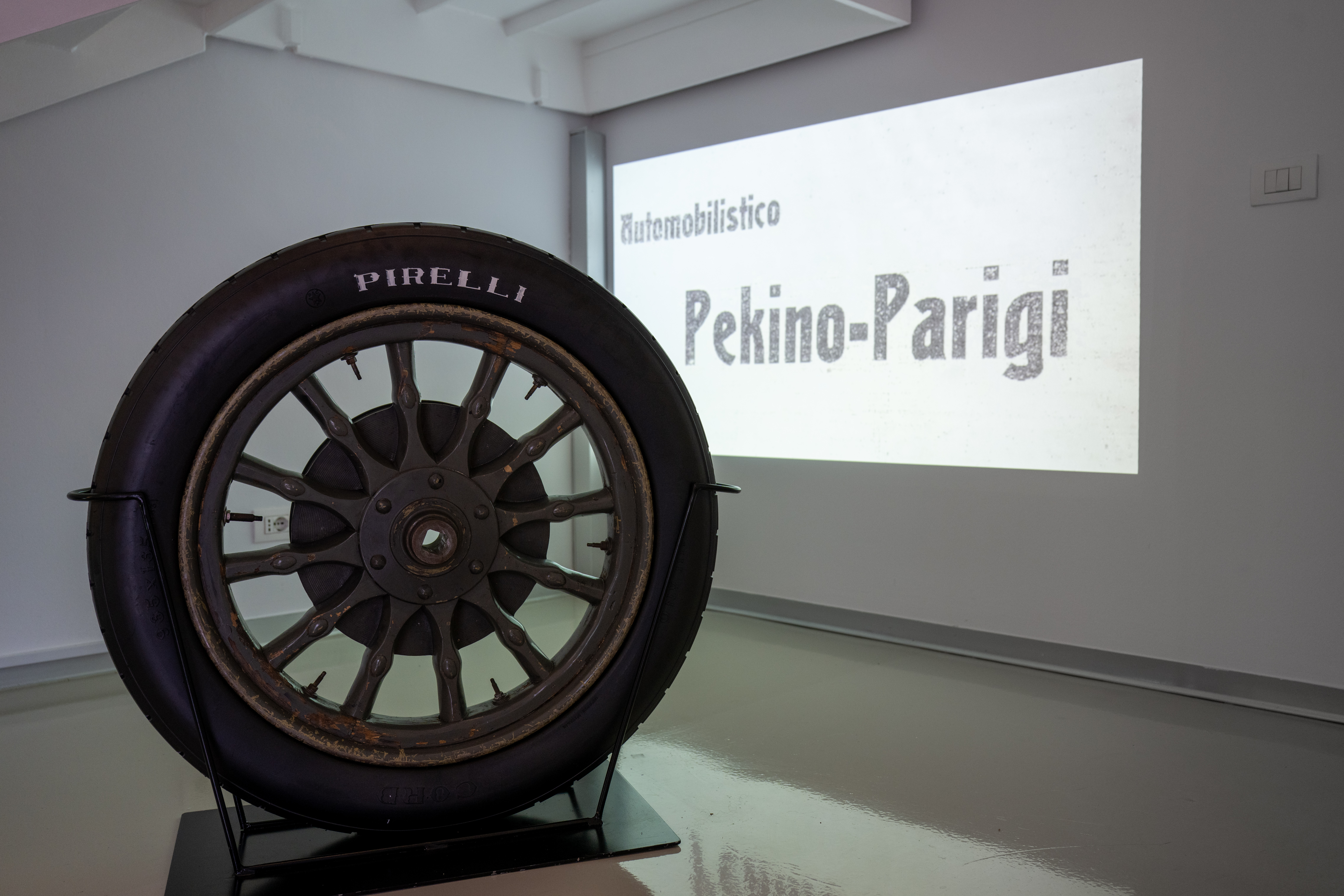
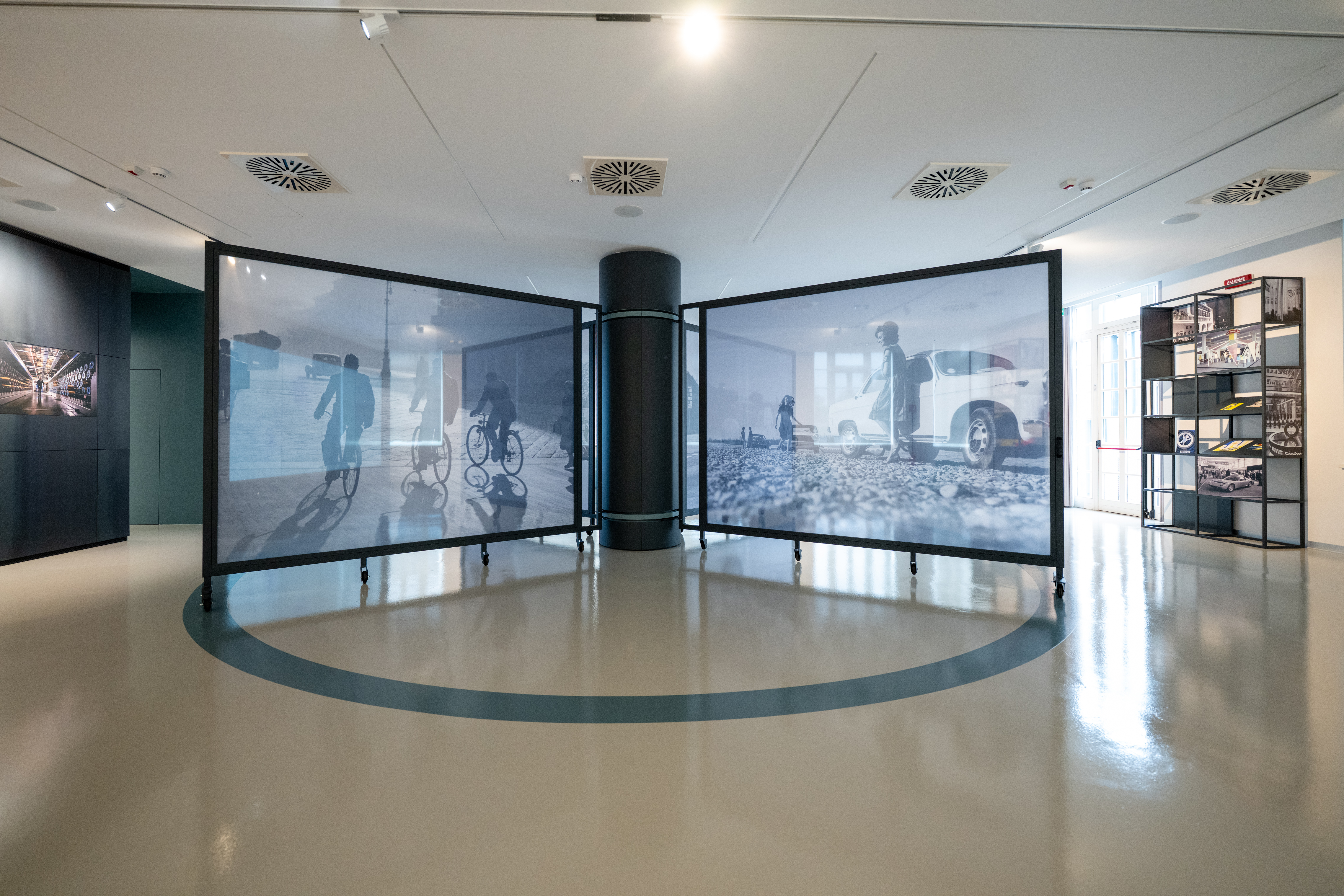
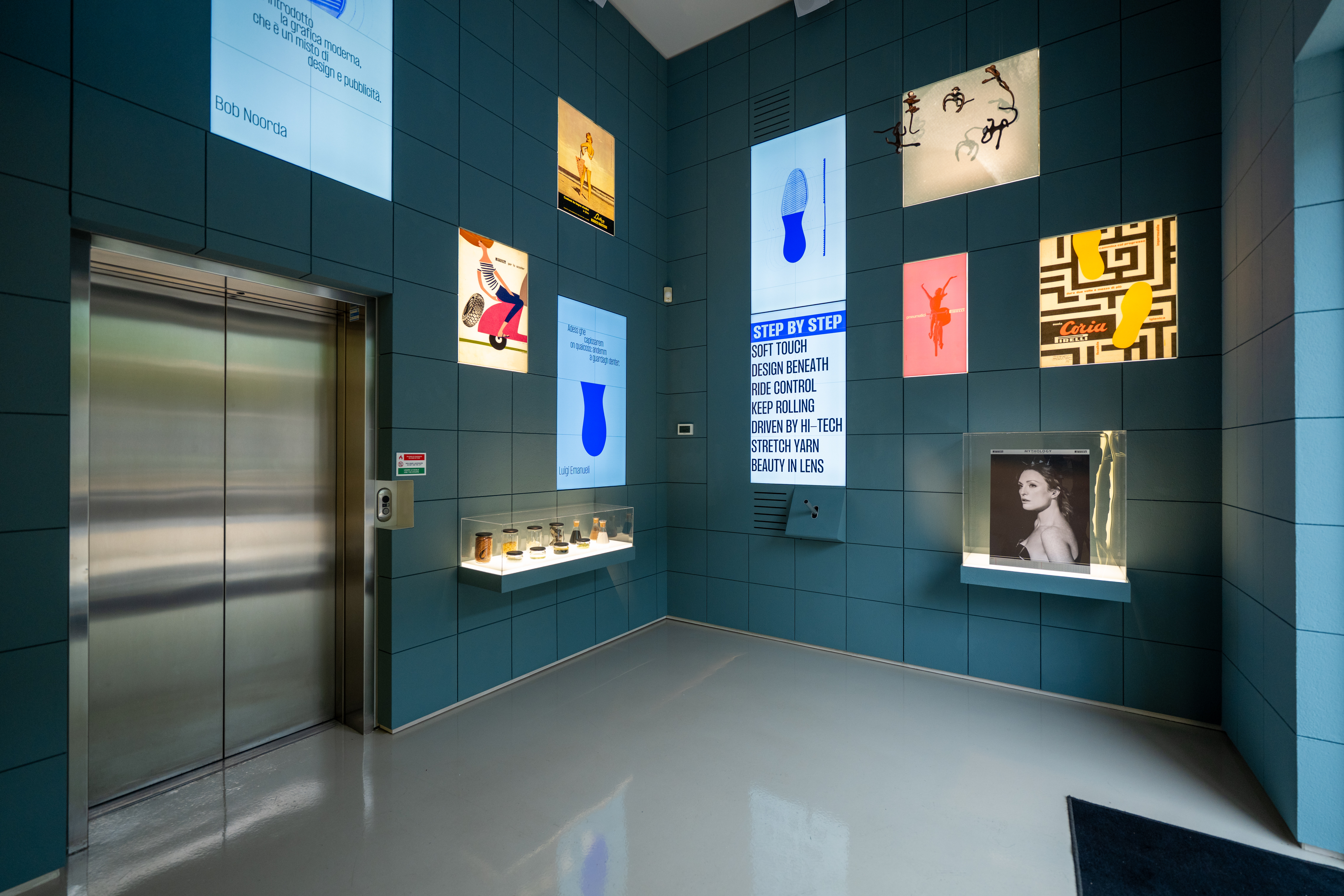
Visitors are welcomed to the Wunderkammer – the “Cabinet of Wonders” at the entrance to the Foundation – with a selection of items that retrace the history of Pirelli. These range from Bruno Munari’s Zizì monkey to the famous The Cal, alongside archival documents on shoe soles, Lastex swimwear, innovative rubber flooring, and tyres for cars, motorbikes, and bicycles. Each object acts as a point of encounter between design specifications and creative interpretation. A video installation brings patents, mould designs, and digital models into a sort of conversation with advertisements, sketches, and graphic material, highlighting the role played by design as a bridge between science and art.
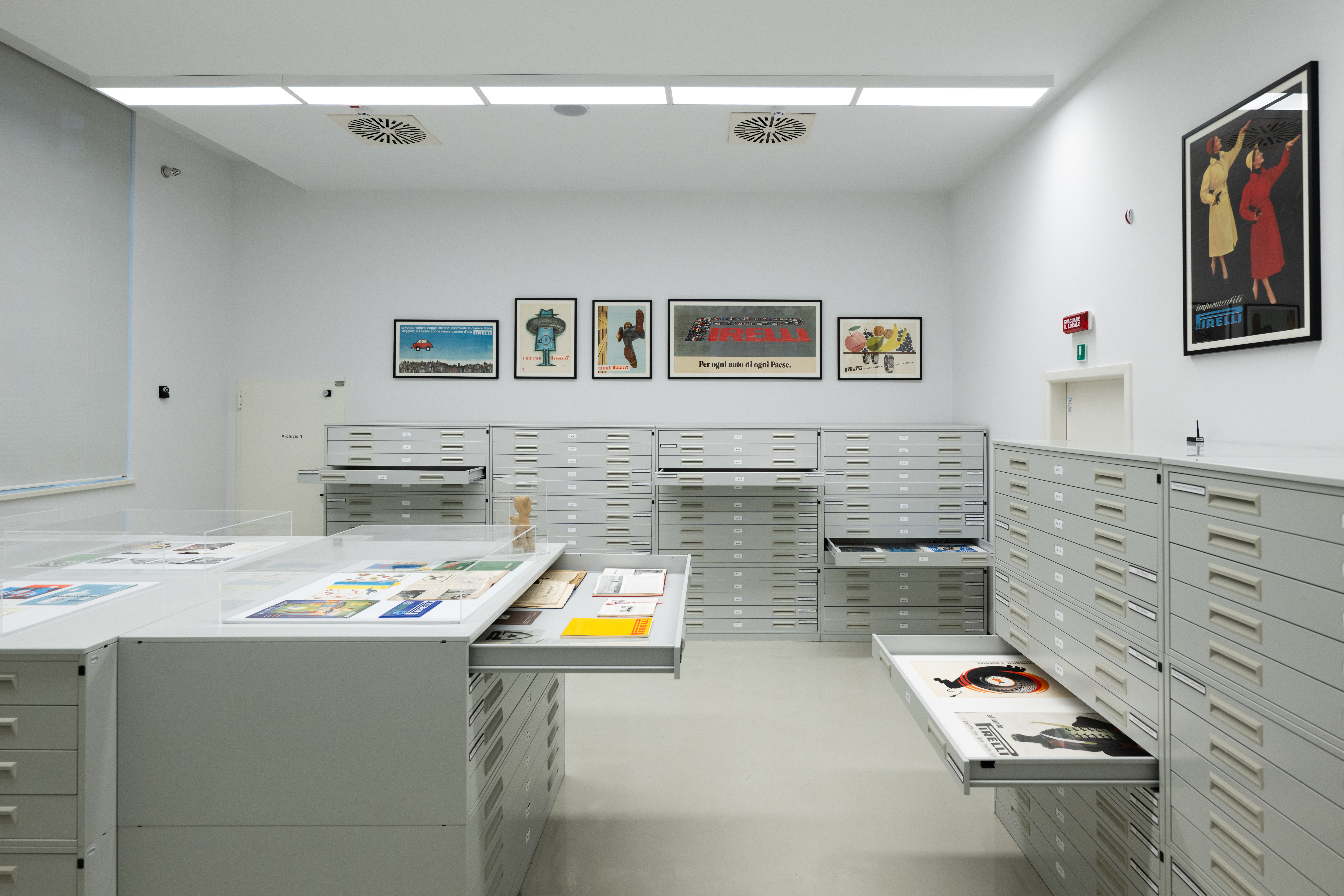
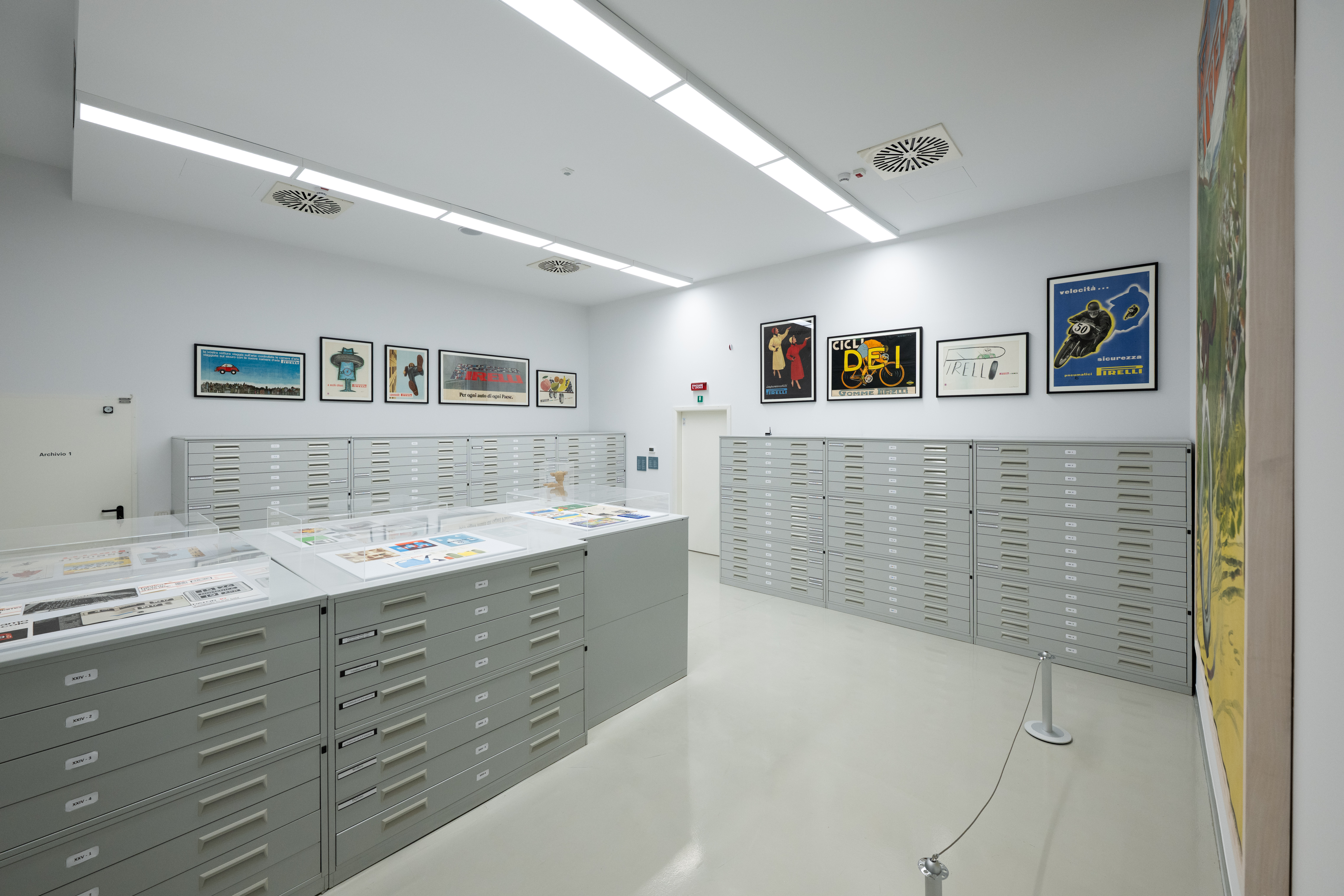
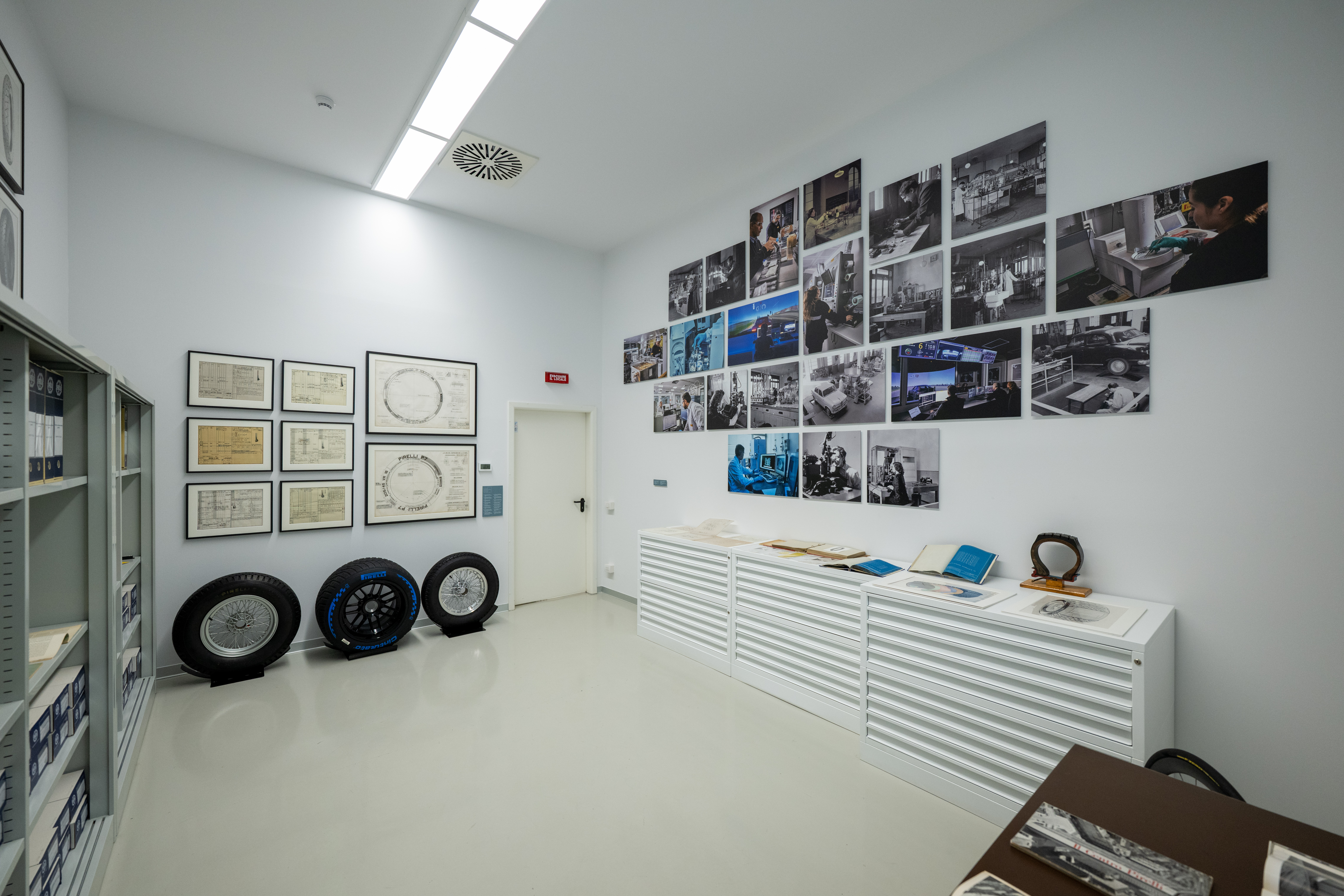
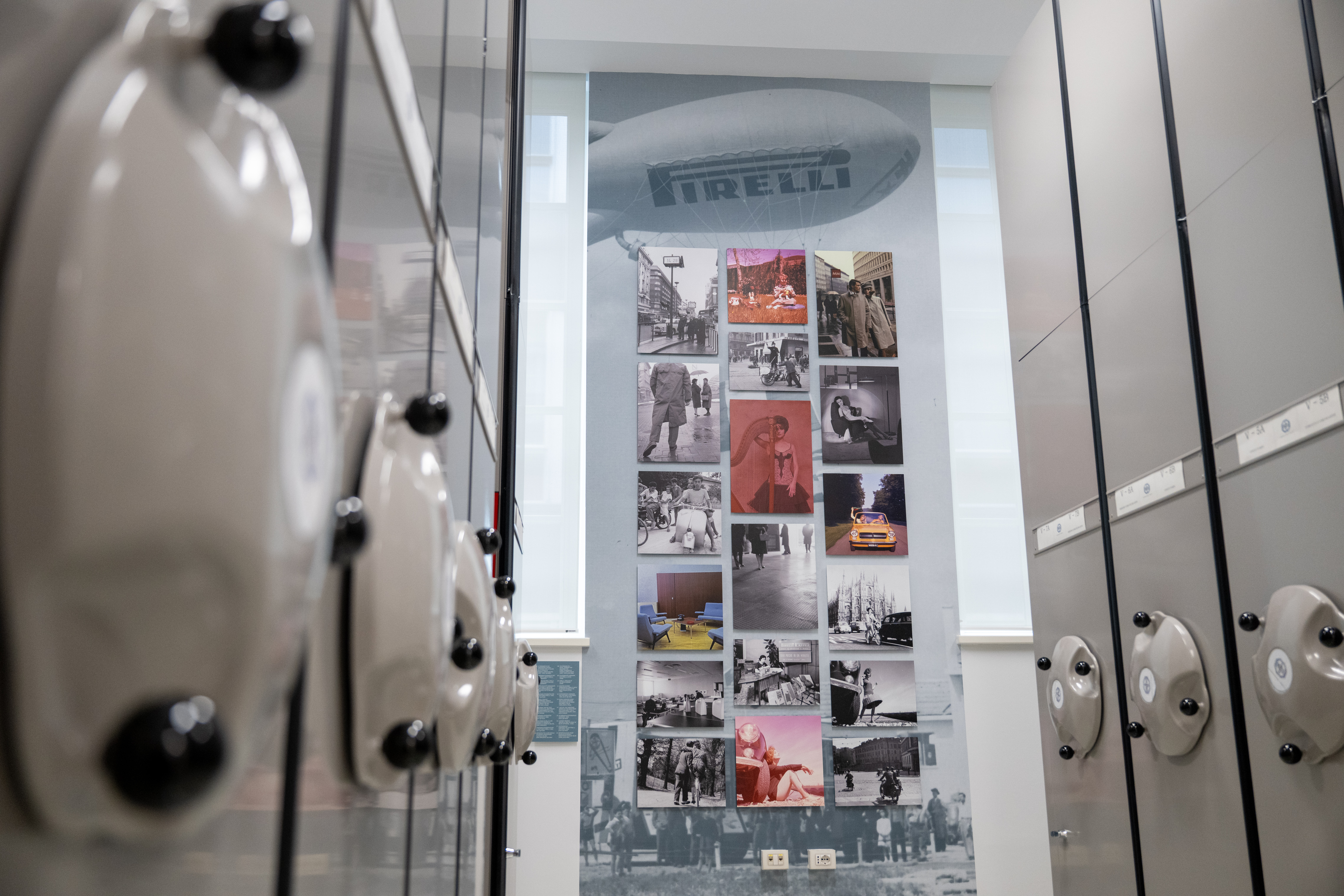
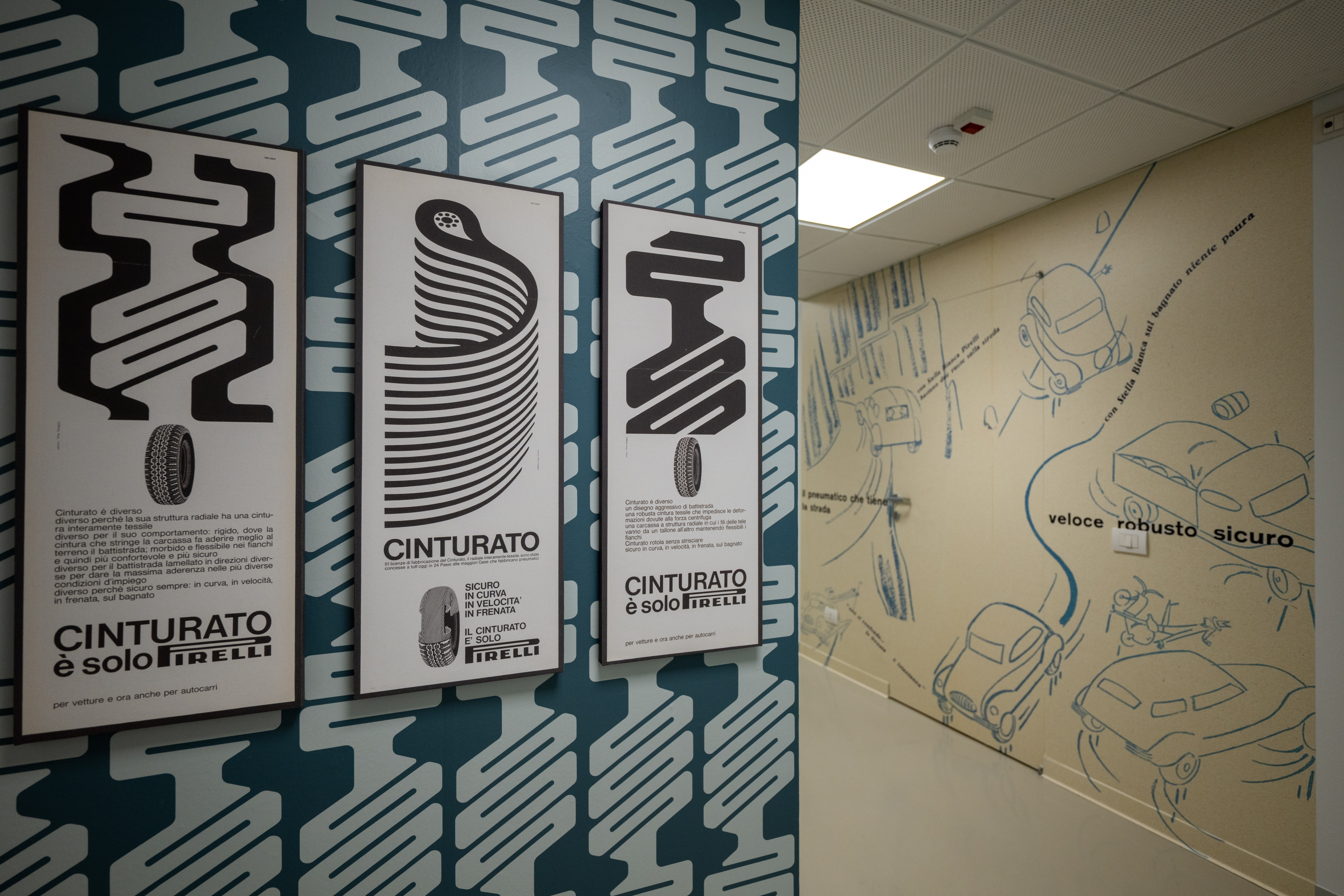
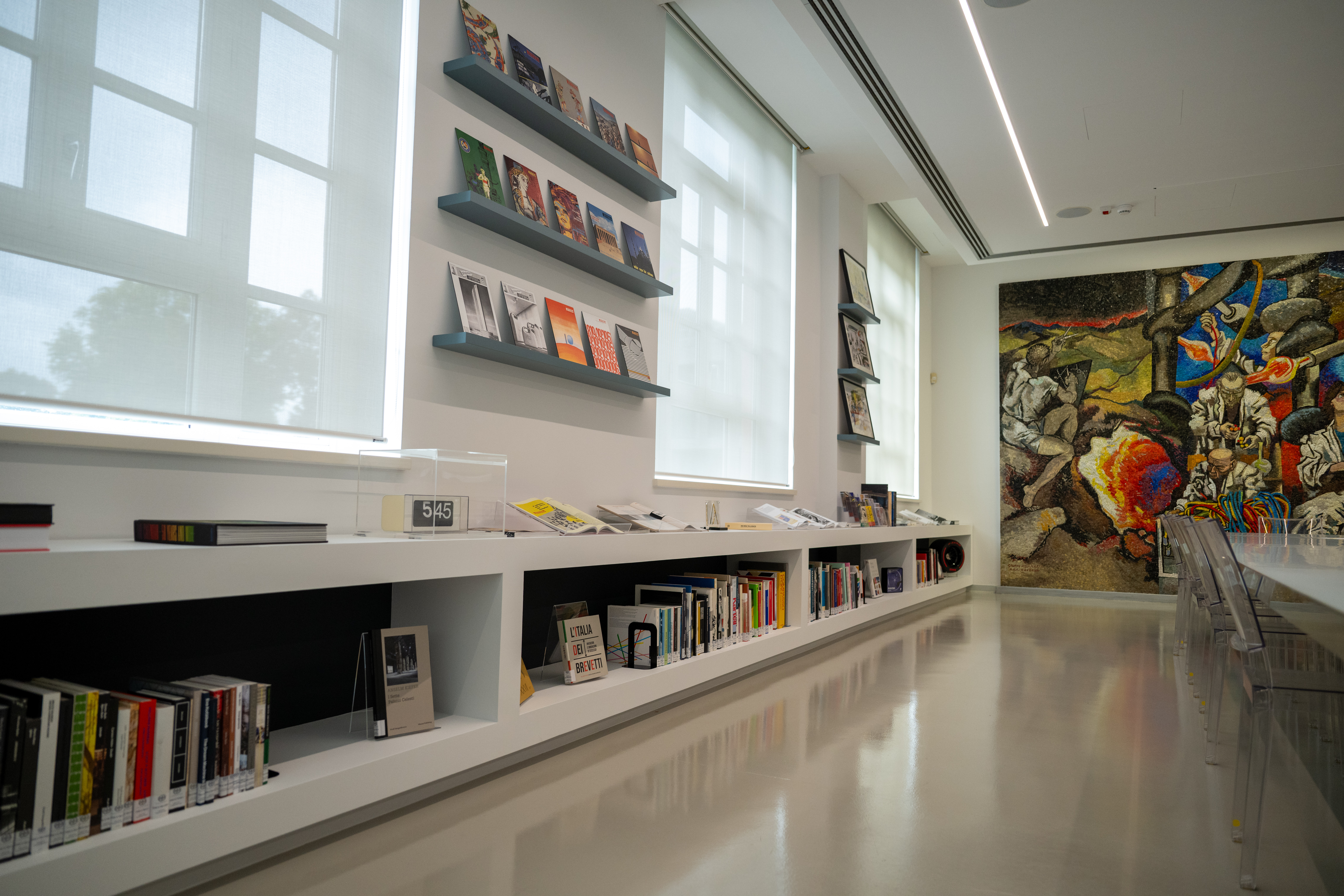
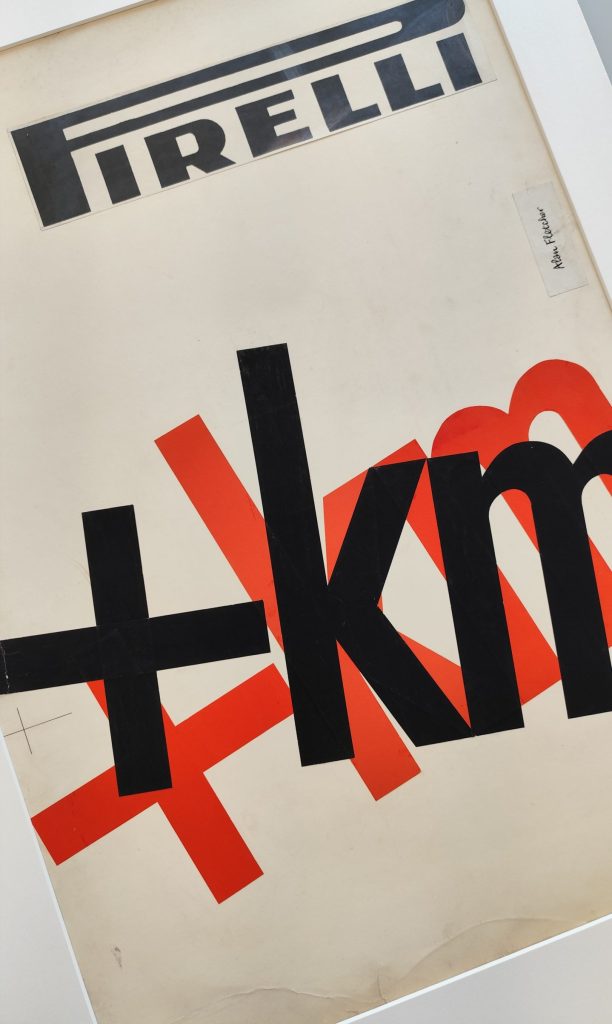
This conversation continues in the rooms of the Historical Archive. The Foundation holds records charting the development and industrial manufacture of tyres over the years, including test specifications, tread pattern studies, and type-approval documents. Together with this collection of technical documents, it also has a vast collection of images, consisting of original sketches, posters, catalogues, leaflets, and window display cards by leading illustrators and graphic agencies. This cross-disciplinary mindset, which merges the humanities and science, also clearly appears in the company’s house organs: from the historic Pirelli magazine to today’s World, through to the company’s international titles such as Noticias Pirelli, Pirellicon, and Pirelli Türk. The pages of these publications feature a web of in-depth articles and opinions, offering a broad, multidisciplinary view of the world of the “Long P”.
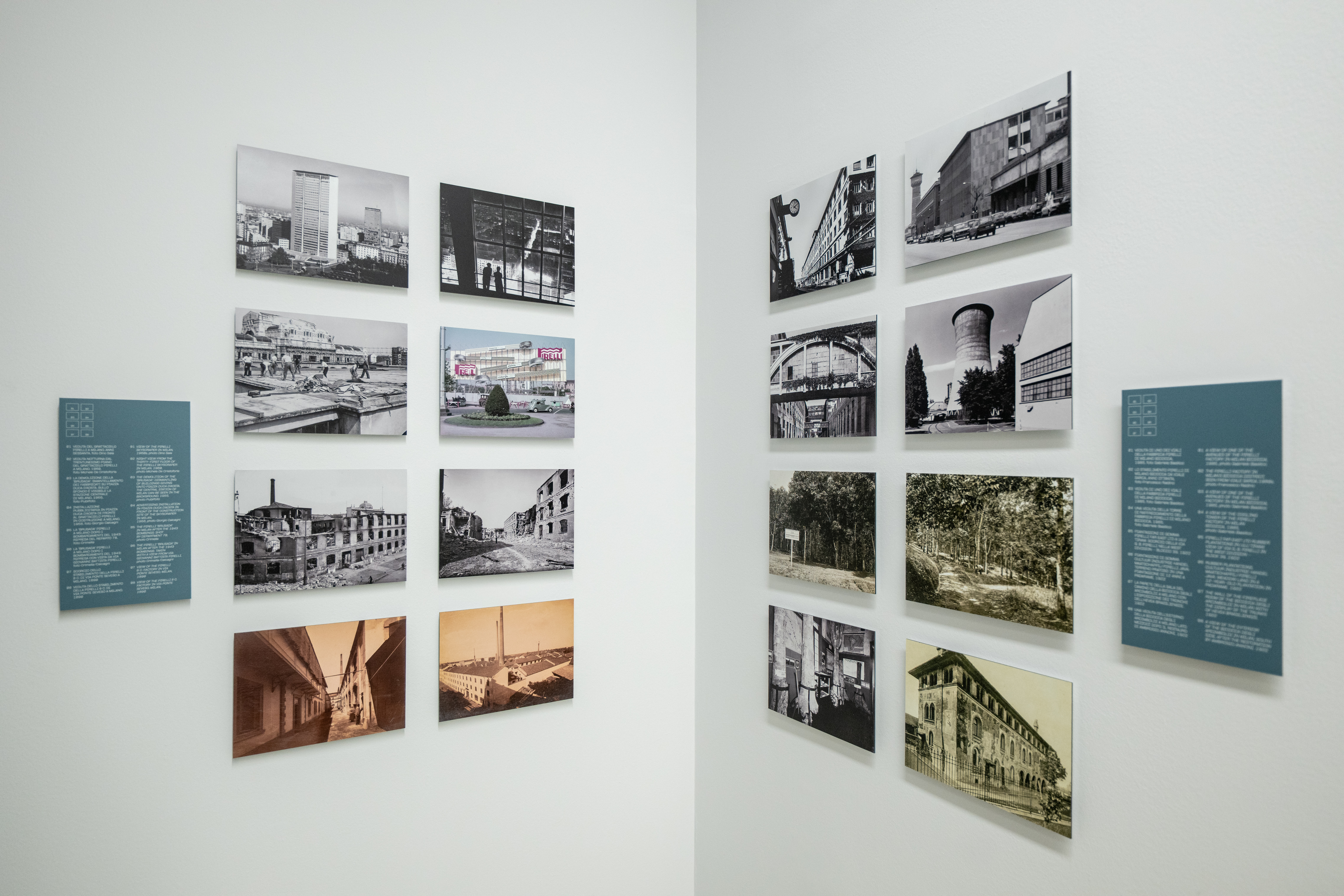
The open-plan gallery expands the tour, bringing it to an end with a rich photographic section devoted to the world of the factory, where ideas are turned into designs, designs into prototypes, and prototypes into finished products. The photographs capture the interaction between the workers and machines, as well as the work culture and practical skills. They balance tradition and innovation through the unique eye of each photographer who has interpreted this industrial universe.
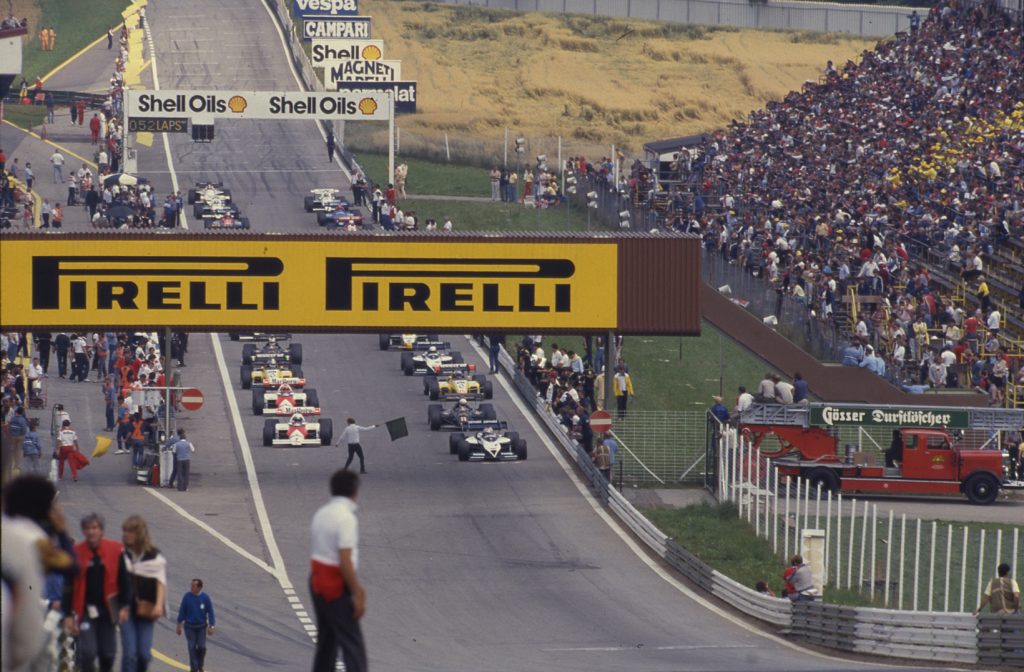
From production to display, a selection of pictures illustrates the role of trade fairs as prime stages for launching new products made by the company. Exhibition stands, shops, and display windows thus become arenas for architectural experimentation where products are given over to the public eye. In the photographs at the centre of the room, the tyre appears in its most tangible form: an object that is seen and used as part of everyday life, and a key player in major sporting competitions.
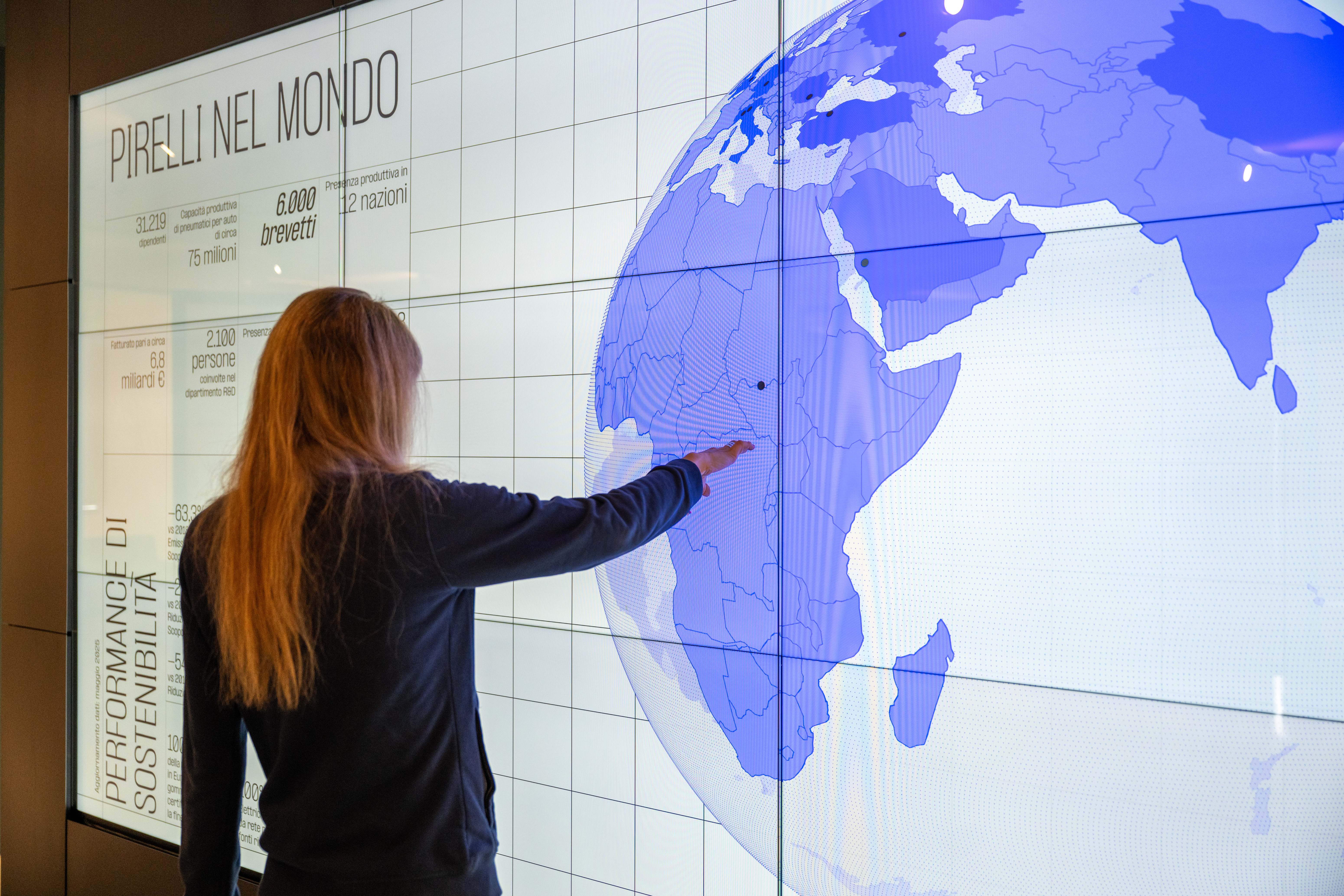
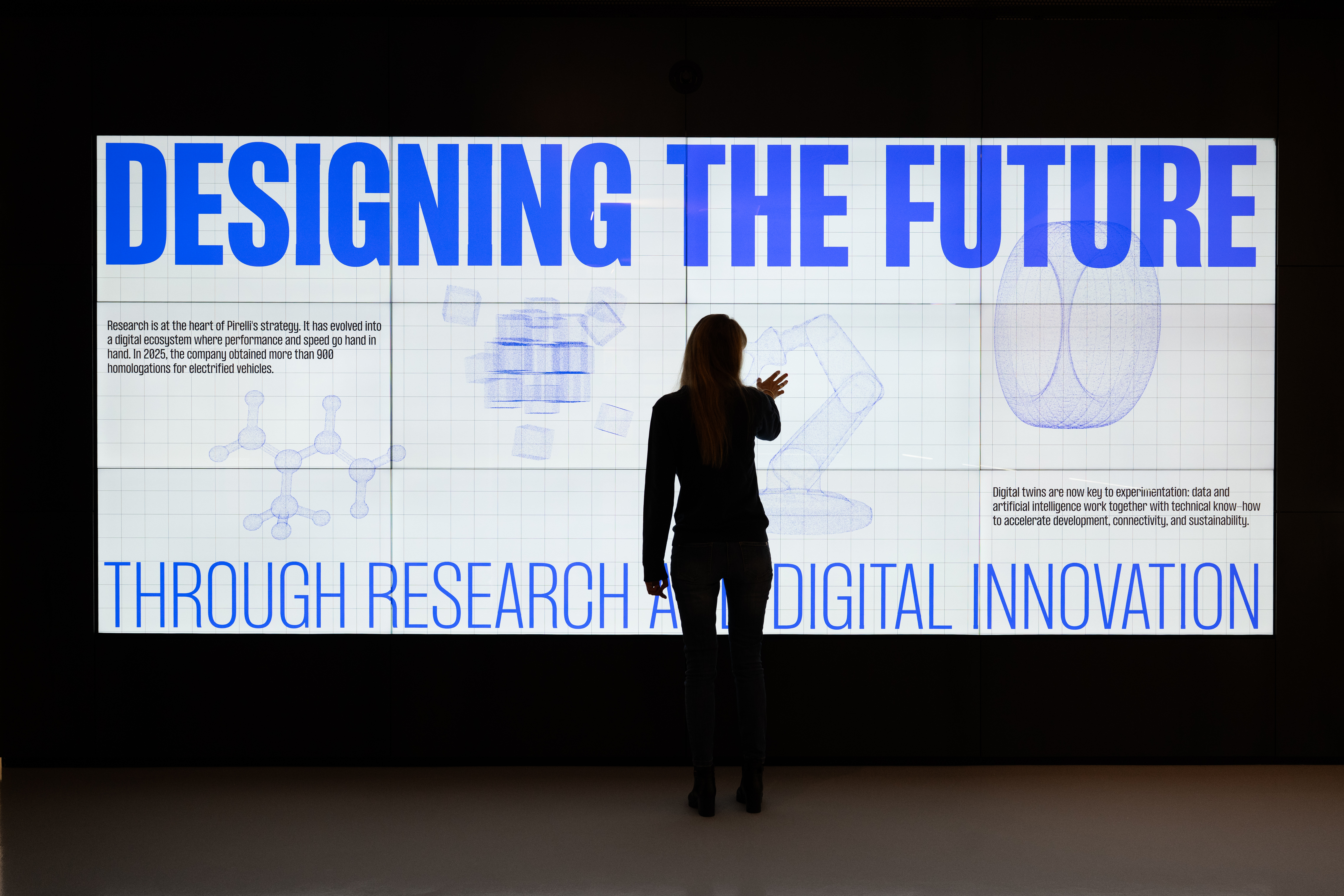
The vast resources of the Historical Archive can also be seen in an interactive digital wall, allowing visitors to retrace Pirelli’s 154-year history along a dedicated timeline. A three-dimensional globe illustrates the company’s global reach, with 18 factories in 12 countries, highlighting its strong international outlook. Looking to the past also means shaping the future. The final display on the wall takes a look at the latest digital breakthroughs, from the use of AI in design and testing through to digital manufacturing processes and tyre technology, showing how there is a constant drive towards technical progress.
The exhibition is thus designed as a multi-layered narrative that explores the many aspects of the product that is built up through experimentation and communication. From the original inspiration to the concept, through to its transformation into a feature in imagery and advertising, every stage opens up new creative and design possibilities. Scientific research and artistic vision are not separate worlds, but complementary languages that weave together into a shared creative process.
Graphic and Exhibition Design: Dotdotdot, Leftloft
Multimedial environments: Dotdotdot
Exhibition Installation: Avuelle, Benfenati Allestimenti, Neon Stella