
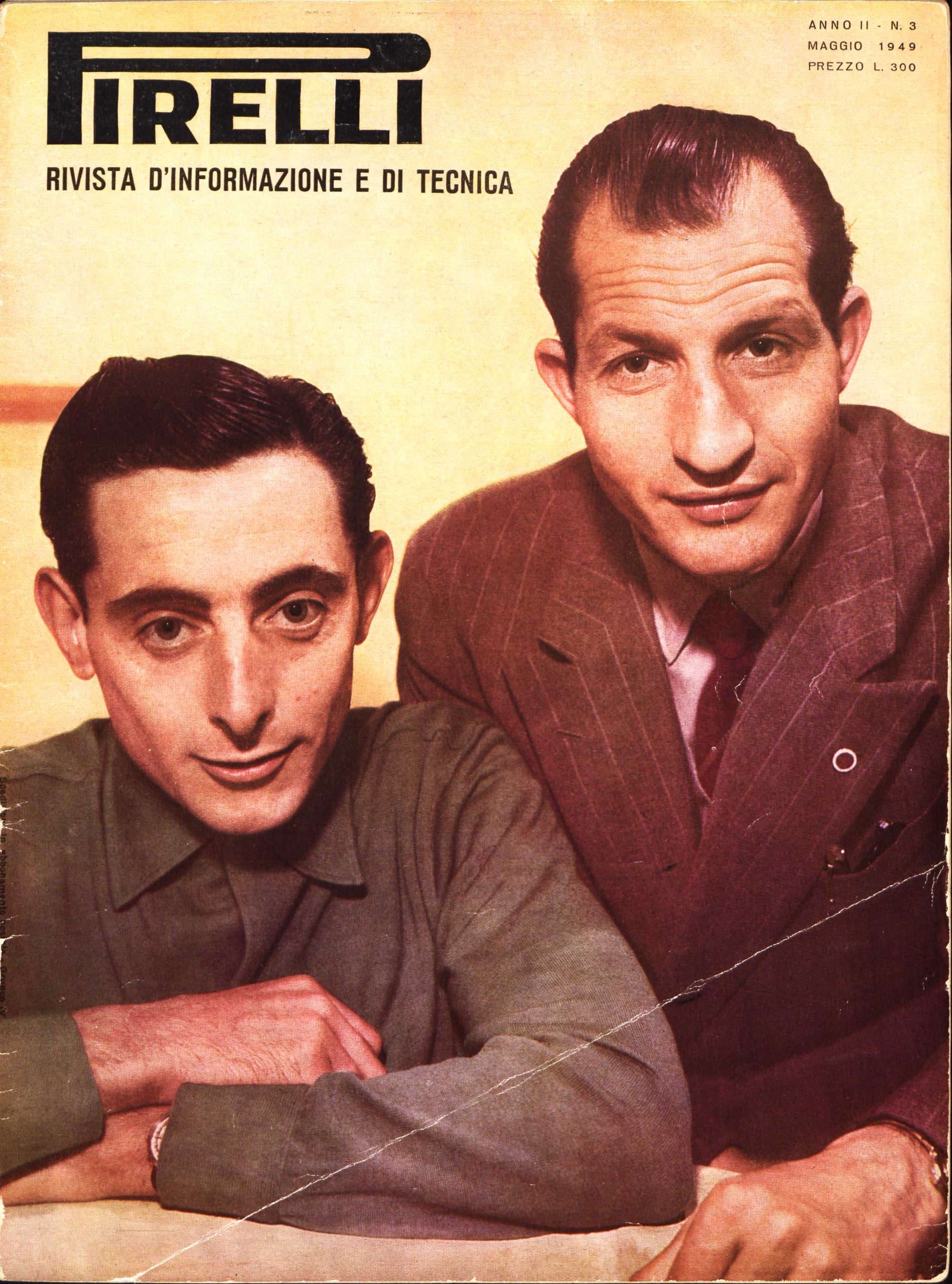
Coppi and Bartali: two champions


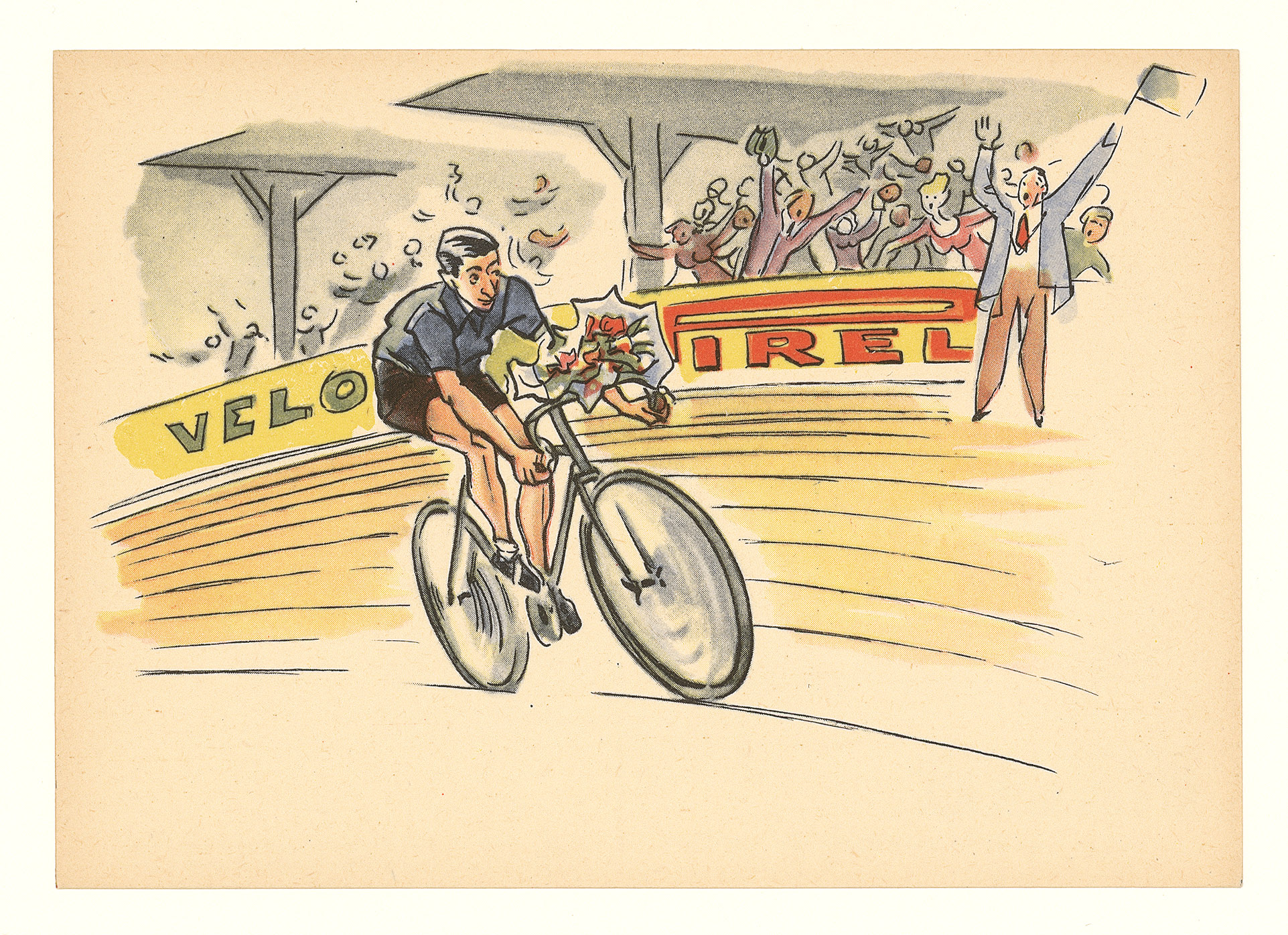
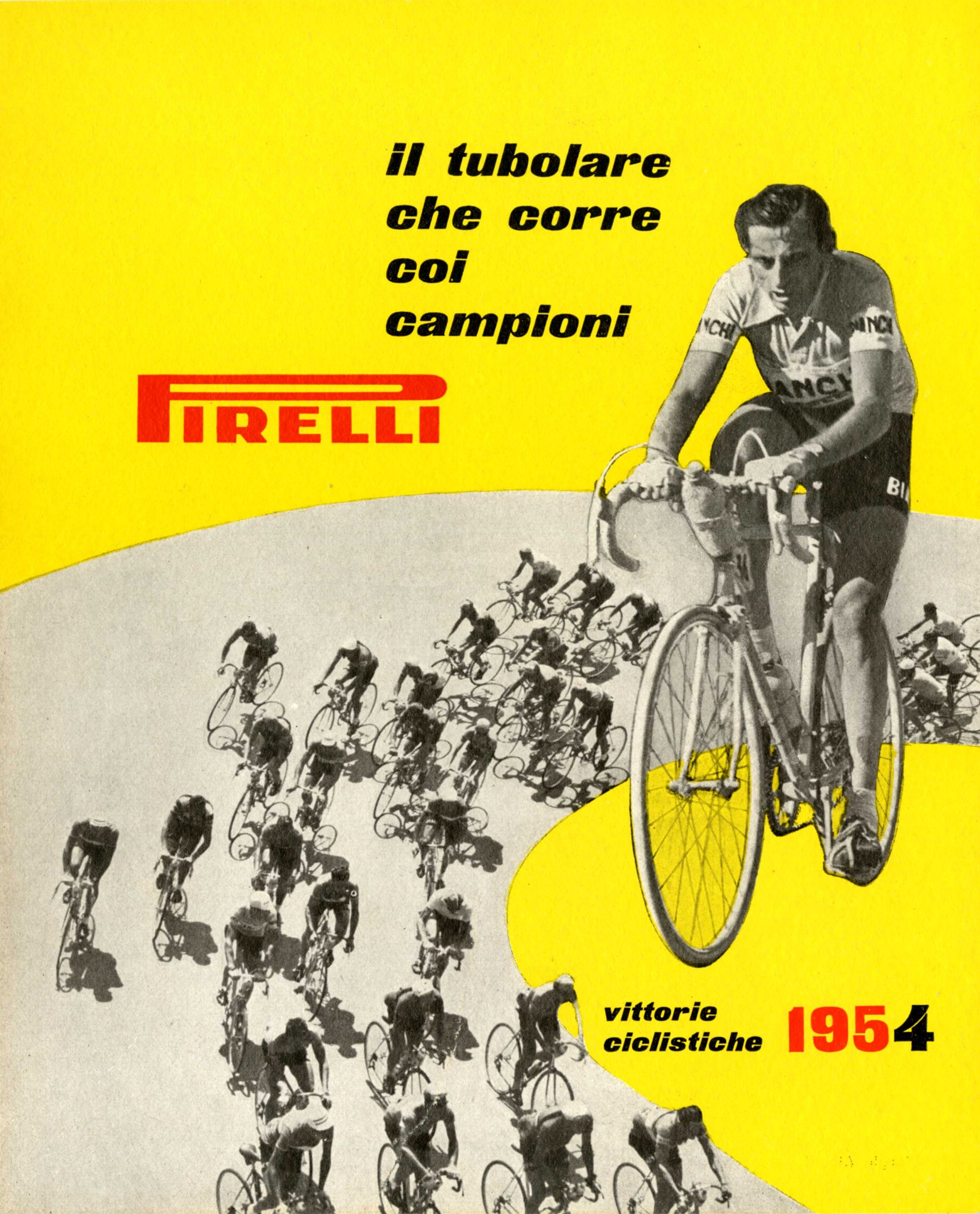
The transition from the 1940s to the 1950s led to sports being perceived in a very different manner. Cycling enjoyed a level of popularity on par with football, and it became the most closely followed sport in Italy, and an emblem of deliverance and renewal. Champions became symbols of excellence, not only representing the Italian competitive spirit but also showcasing the products of the companies that underpinned their victories. An example of this can be seen in the 36th Giro d’Italia in 1953, in which four teams (Arbos, Atala, Bianchi and Legnano) all used Specialissimo Corsa tubulars bearing the Pirelli logo.
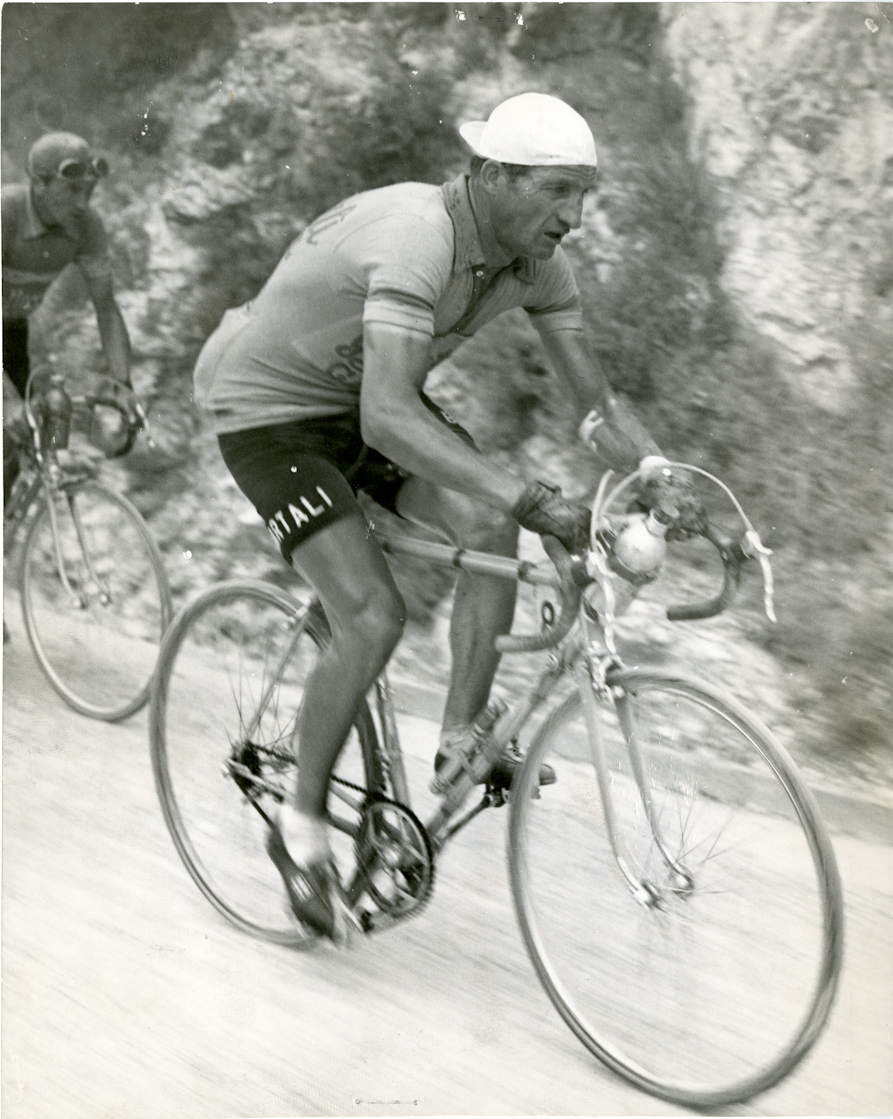
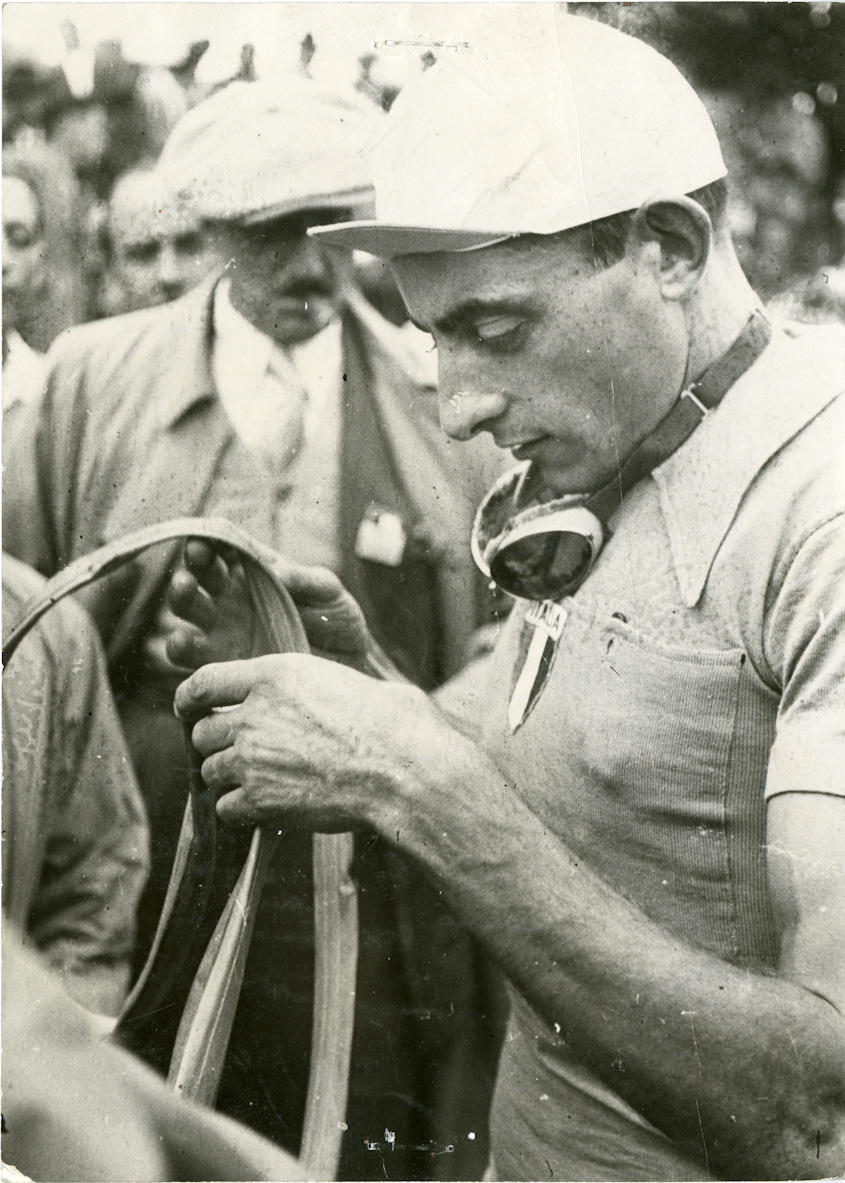
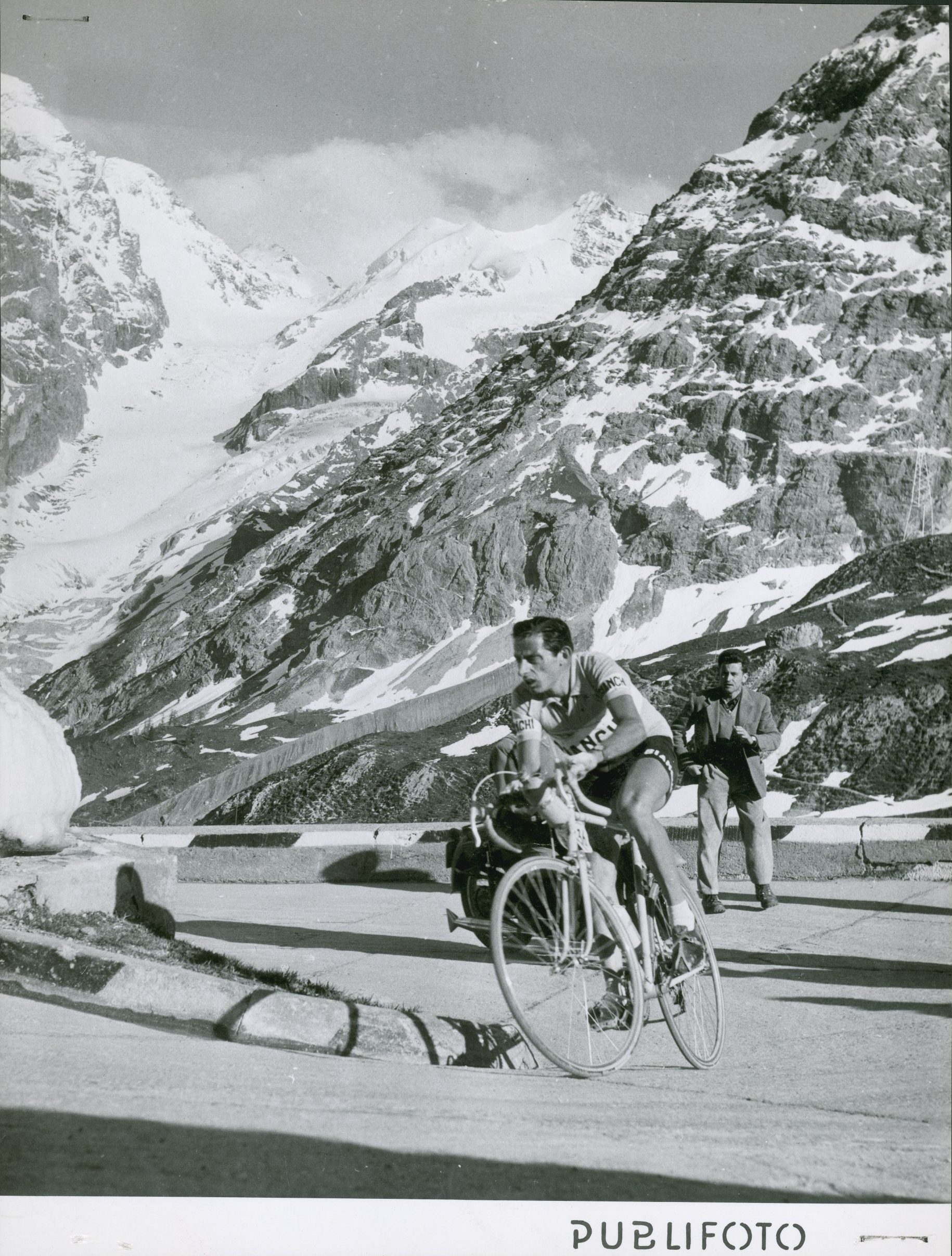
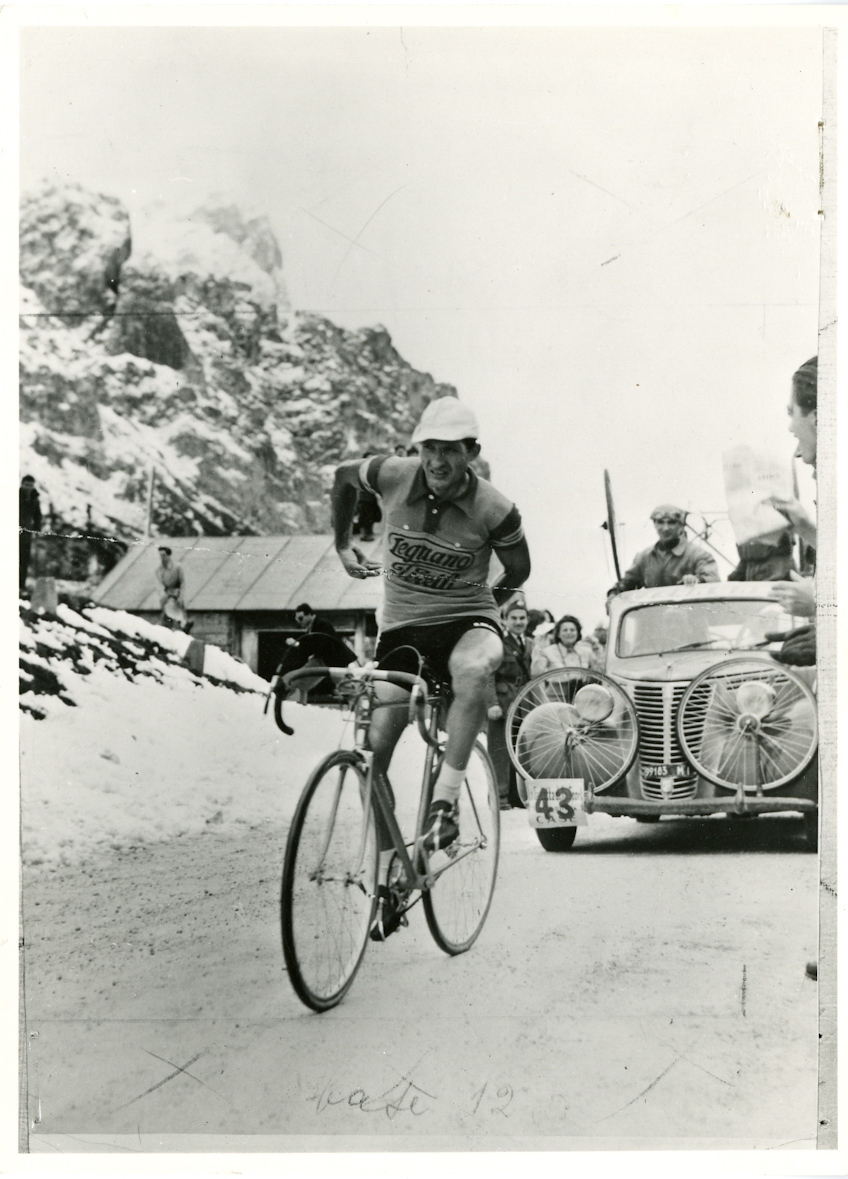
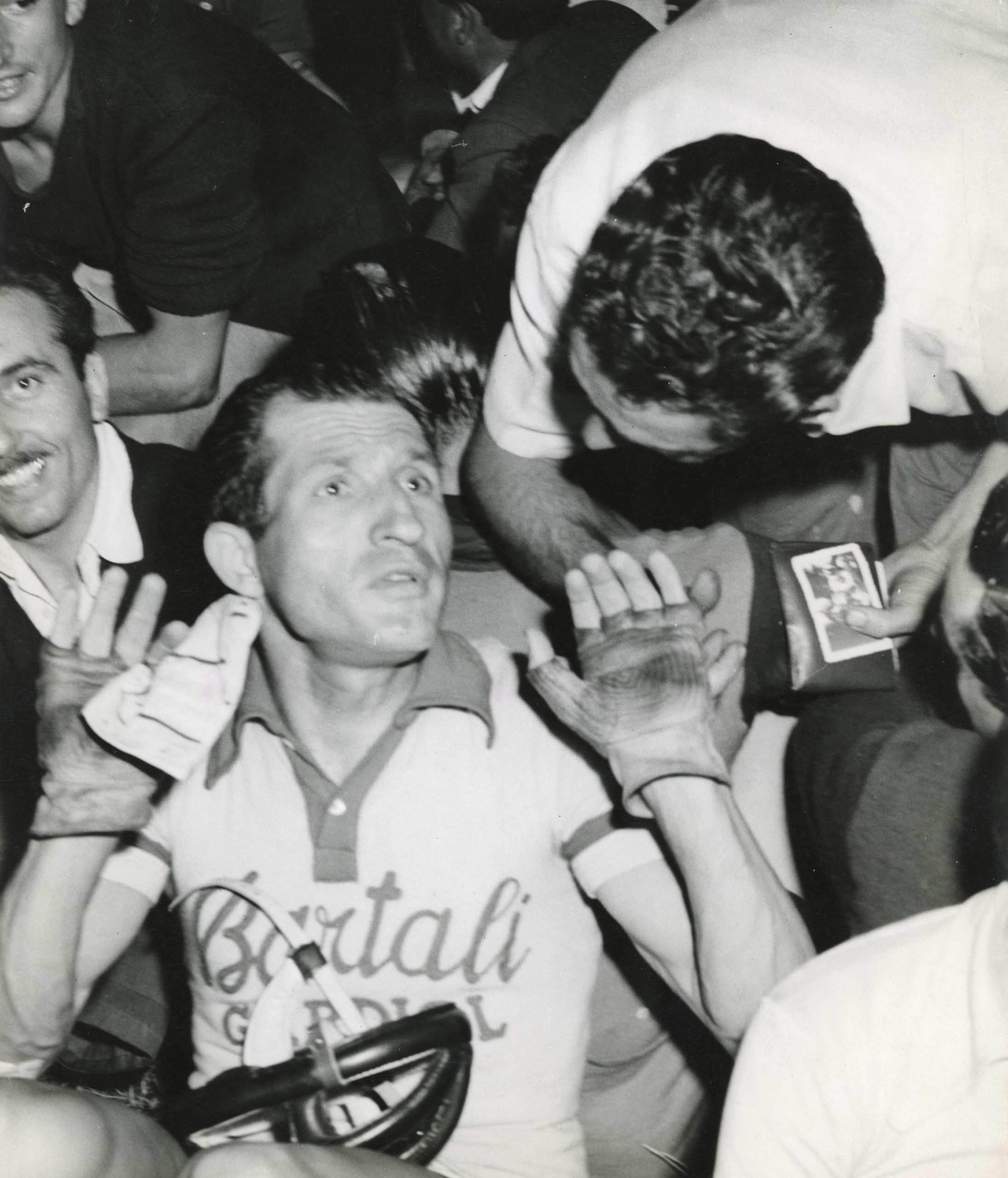
It was an era of new champions, who were followed so closely by the fans that journalists were inspired to write portraits that could hardly have been filled with more empathy and humanity, in both sport and life. The papers were there with the tenacious and sometimes aggressive Gino Bartali as he crossed the finish lines astride his Legnano-Pirelli in his fierce rivalry with the taciturn Fausto Coppi. Theirs was a rivalry that always pushed them to give their very best. In 1936, Bartali claimed victory in the Giro d’Italia and, two years later, he triumphed in the Tour de France with Pirelli tyres. Yet, the enduring list of triumphs for the Long P logo continued unabated into the 1950s, thanks in part to Bartali’s adversary: in 1952 Fausto Coppi took the top spot in both the Giro d’Italia and the Tour de France.