

Leopoldo Pirelli,
“The Gentleman
Entrepreneur”
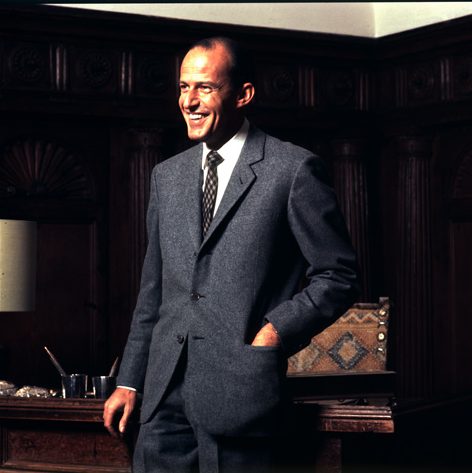
Leopoldo Pirelli was born on 27 August 1925 in Velate, in the province of Varese. He was the heir to a dynasty of entrepreneurs who left a profound mark on Italy’s industrial history. His grandfather, Giovanni Battista, founded Pirelli in 1872, introducing the innovation of vulcanised rubber to the country. His father, Alberto, headed the company from the early 1930s through the difficult times of Fascism and the Second World War. It was Leopoldo, remembered as the “gentleman entrepreneur”, who would lead the Group into a new era in the second half of the twentieth century.
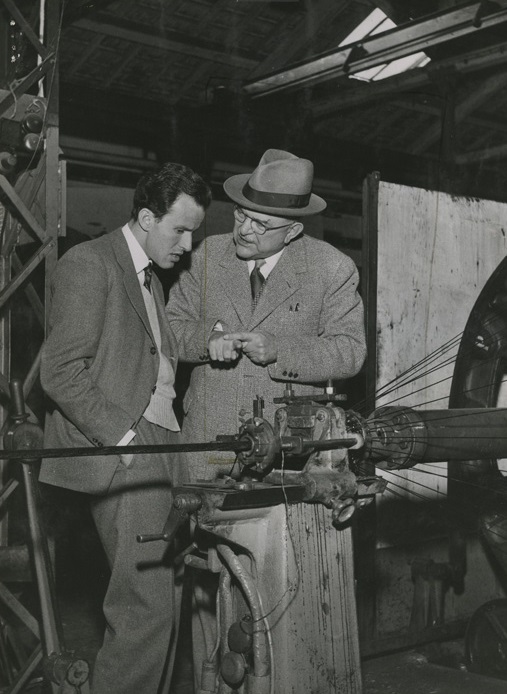
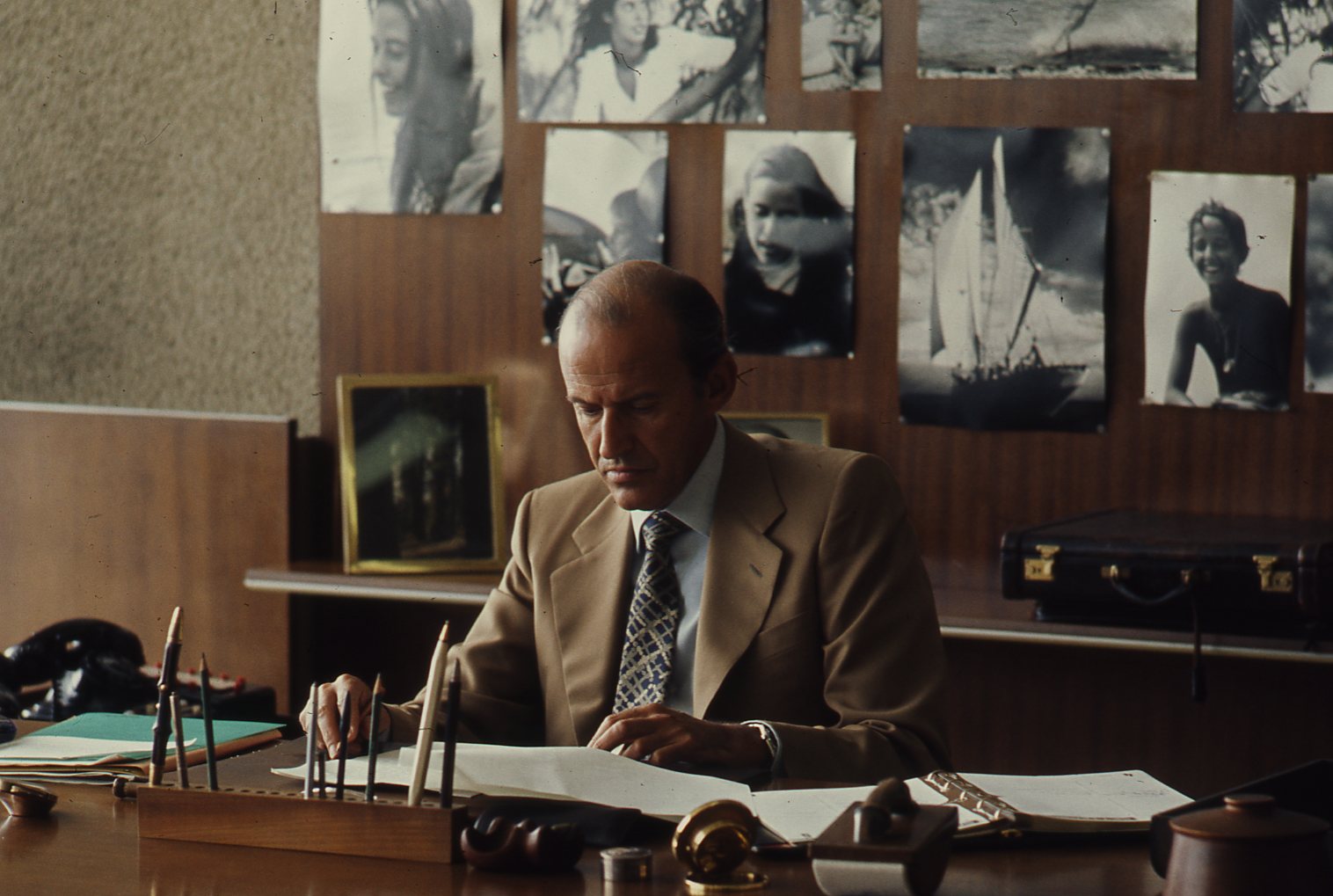
After graduating in Engineering from the Politecnico University of Milan, Leopoldo Pirelli entered the family business with the awareness that his position was not a right, but a commitment. He embarked on a tough apprenticeship in which he learnt every aspect of the company: general accounting in Basel, industrial accounting in Brussels, purchasing in London, and finally his first official post as shift manager at the Tivoli tyre plant. Over the following decade he gradually assumed greater responsibilities, sharing an office with his father, their desks placed face to face.
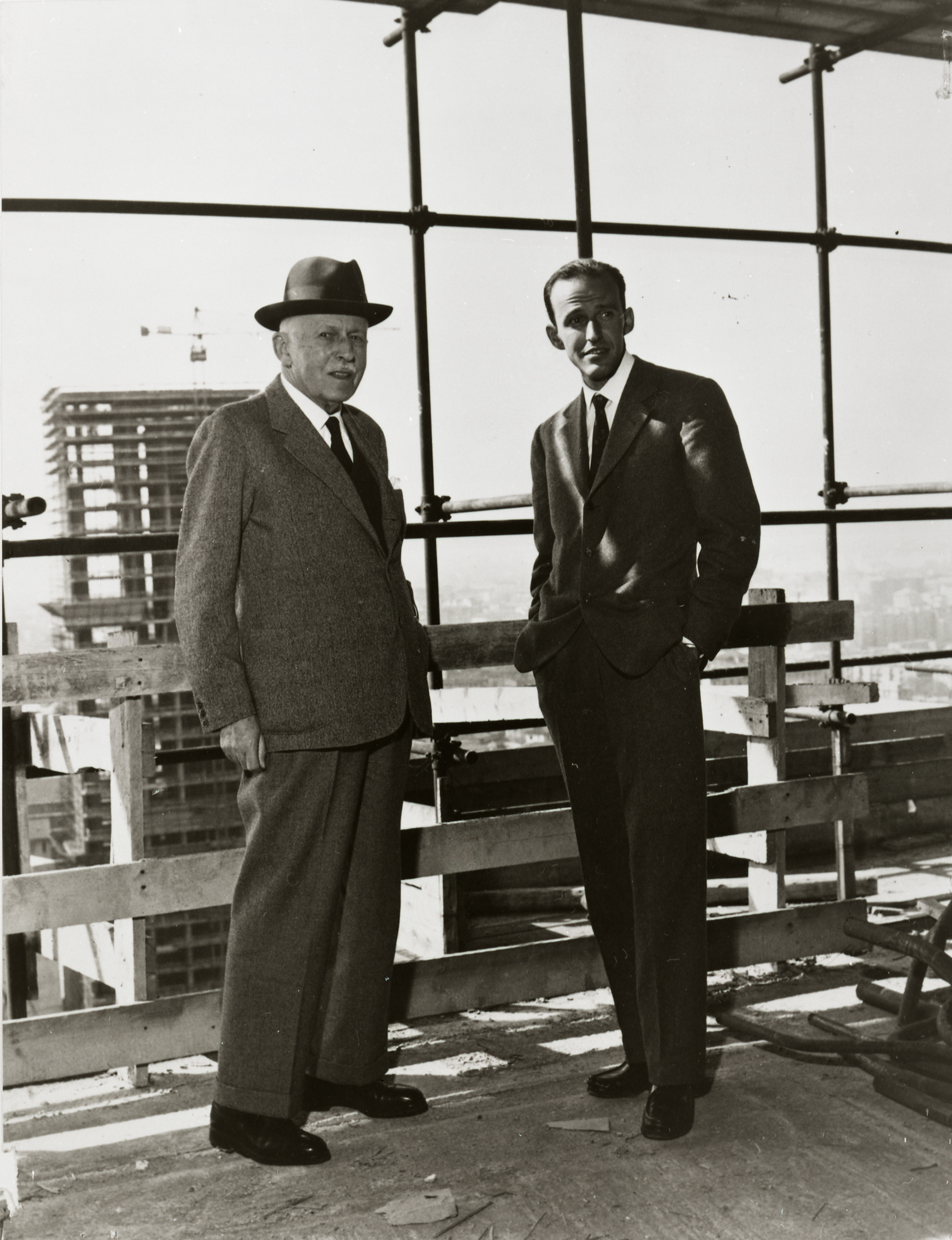
In the 1950s, as Milan rose up from the devastation of war, Pirelli set his sights on building a new corporate headquarters. The task was entrusted to the architect Gio Ponti, who decided to build a “monument to honour the city and civilisation.” Thus, in 1960, one of the most powerful symbols of Italy’s economic rebirth was created: the Pirelli Tower. Together with his father Alberto, Leopoldo championed this visionary project, seeing the Pirellone not merely as a reflection of the excellence of the Group but as a work of art, a declaration of modernity, and an emblem of Milan’s visual identity. Above all, it was a testament to the idea that business could represent innovation, beauty, and culture.
In 1965 Leopoldo Pirelli became the chairman of the company, ushering in a new chapter in its history. With great discipline and a profound sense of duty, he successfully steered Italian industry through both the buoyant years of the economic boom and the turbulence of the oil crises, labour unrest, and the violent years of terrorism. His vision was reflected in initiatives such as the drafting of the “Pirelli Report” for the reform of the General Confederation of Italian Industry (Confindustria) and the so-called decretone, a package of proposals designed to anticipate workers’ demands and foster more harmonious industrial relations. Equally forward-looking was the Bicocca Project, developed at Leopoldo’s behest from the 1980s by architect Vittorio Gregotti’s studio. It pioneered a new model of urban planning, transforming the idea of factories of products into factories of knowledge, opening the company’s spaces to the city in a dialogue between past, present, and future.
In 1986, when he was awarded a medal as an Honorary Member of the College of Engineers of Milan, Leopoldo decided to tell the story of what he had learnt in a lifetime spent at the head of the Group. He chose to share not numbers, statistics or personal achievements, but rather carefully chosen words, which he referred to as “The Ten Rules of the Good Entrepreneur”. More than simple advice, they amounted to a moral code, a legacy of values practised daily within the company. Leopoldo maintained that industry was never just about profit, but a cornerstone of civilisation, a place where innovation and social responsibility must advance hand in hand. Above all, he believed that to do business was to assume a duty—towards employees, towards the community, and towards the wider world.
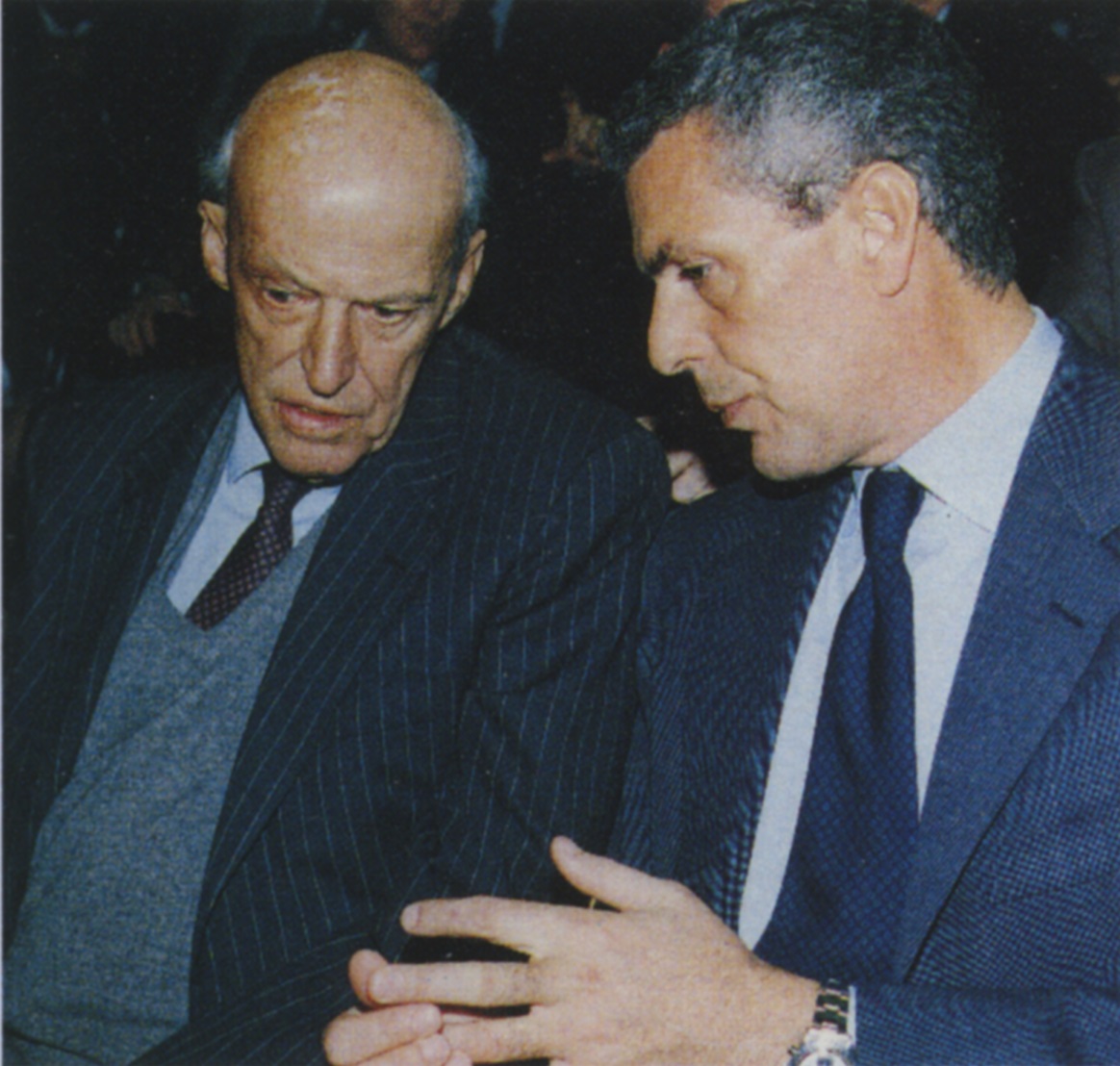
In 1996, after more than three decades at the helm, Leopoldo Pirelli passed the presidency to Marco Tronchetti Provera. On the 100th anniversary of his birth, we remember a man who played a decisive role not only in the growth of the family business, but also in the economic and cultural transformation of Italy itself: a leader attentive to people and principles, whose vision of business as a place of dialogue and shared progress remains a vital point of reference today.
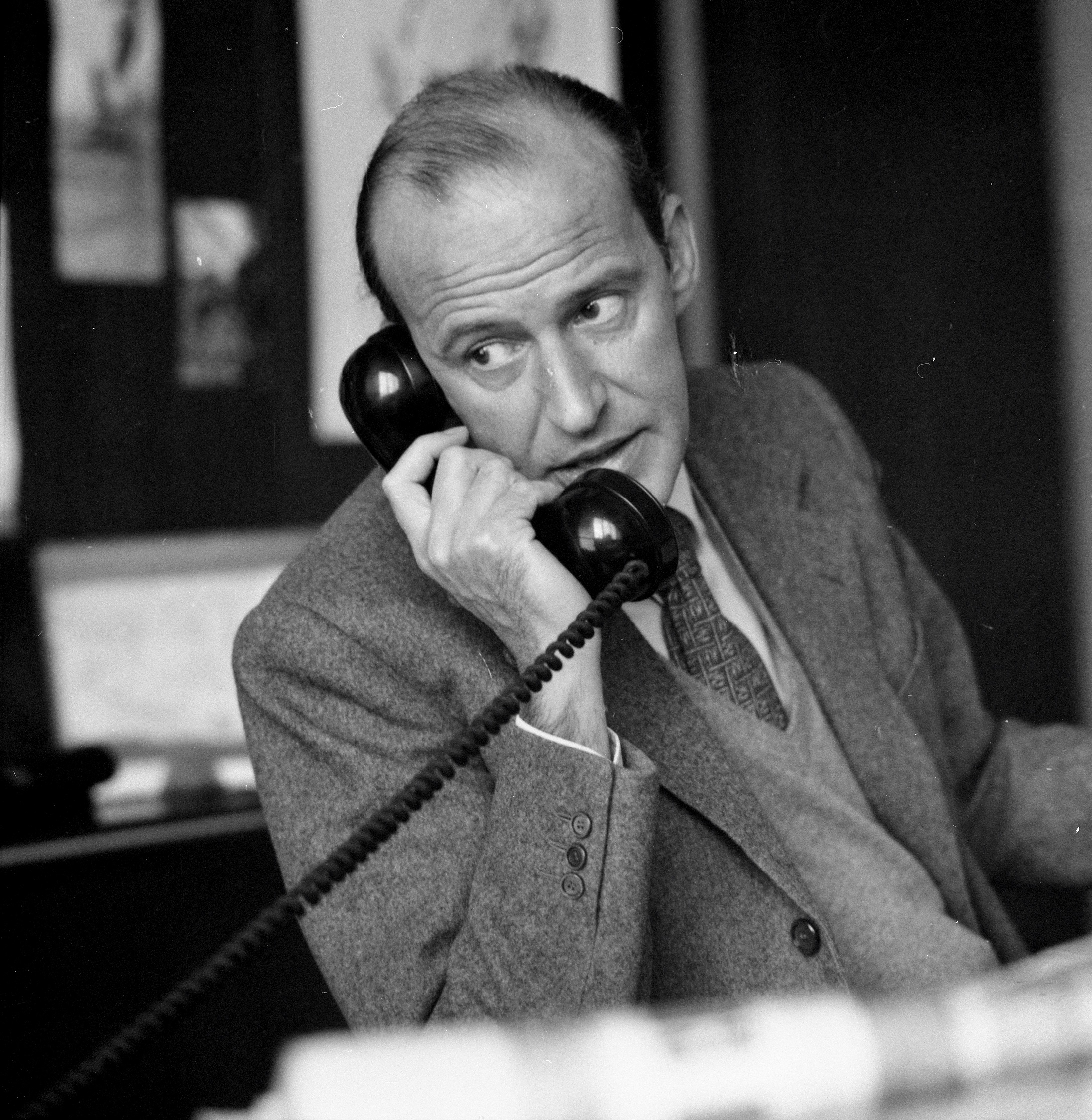
Leopoldo Pirelli was born on 27 August 1925 in Velate, in the province of Varese. He was the heir to a dynasty of entrepreneurs who left a profound mark on Italy’s industrial history. His grandfather, Giovanni Battista, founded Pirelli in 1872, introducing the innovation of vulcanised rubber to the country. His father, Alberto, headed the company from the early 1930s through the difficult times of Fascism and the Second World War. It was Leopoldo, remembered as the “gentleman entrepreneur”, who would lead the Group into a new era in the second half of the twentieth century.
After graduating in Engineering from the Politecnico University of Milan, Leopoldo Pirelli entered the family business with the awareness that his position was not a right, but a commitment. He embarked on a tough apprenticeship in which he learnt every aspect of the company: general accounting in Basel, industrial accounting in Brussels, purchasing in London, and finally his first official post as shift manager at the Tivoli tyre plant. Over the following decade he gradually assumed greater responsibilities, sharing an office with his father, their desks placed face to face.
In the 1950s, as Milan rose up from the devastation of war, Pirelli set his sights on building a new corporate headquarters. The task was entrusted to the architect Gio Ponti, who decided to build a “monument to honour the city and civilisation.” Thus, in 1960, one of the most powerful symbols of Italy’s economic rebirth was created: the Pirelli Tower. Together with his father Alberto, Leopoldo championed this visionary project, seeing the Pirellone not merely as a reflection of the excellence of the Group but as a work of art, a declaration of modernity, and an emblem of Milan’s visual identity. Above all, it was a testament to the idea that business could represent innovation, beauty, and culture.
In 1965 Leopoldo Pirelli became the chairman of the company, ushering in a new chapter in its history. With great discipline and a profound sense of duty, he successfully steered Italian industry through both the buoyant years of the economic boom and the turbulence of the oil crises, labour unrest, and the violent years of terrorism. His vision was reflected in initiatives such as the drafting of the “Pirelli Report” for the reform of the General Confederation of Italian Industry (Confindustria) and the so-called decretone, a package of proposals designed to anticipate workers’ demands and foster more harmonious industrial relations. Equally forward-looking was the Bicocca Project, developed at Leopoldo’s behest from the 1980s by architect Vittorio Gregotti’s studio. It pioneered a new model of urban planning, transforming the idea of factories of products into factories of knowledge, opening the company’s spaces to the city in a dialogue between past, present, and future.
In 1986, when he was awarded a medal as an Honorary Member of the College of Engineers of Milan, Leopoldo decided to tell the story of what he had learnt in a lifetime spent at the head of the Group. He chose to share not numbers, statistics or personal achievements, but rather carefully chosen words, which he referred to as “The Ten Rules of the Good Entrepreneur”. More than simple advice, they amounted to a moral code, a legacy of values practised daily within the company. Leopoldo maintained that industry was never just about profit, but a cornerstone of civilisation, a place where innovation and social responsibility must advance hand in hand. Above all, he believed that to do business was to assume a duty—towards employees, towards the community, and towards the wider world.
In 1996, after more than three decades at the helm, Leopoldo Pirelli passed the presidency to Marco Tronchetti Provera. On the 100th anniversary of his birth, we remember a man who played a decisive role not only in the growth of the family business, but also in the economic and cultural transformation of Italy itself: a leader attentive to people and principles, whose vision of business as a place of dialogue and shared progress remains a vital point of reference today.