

A company that leaves its mark
Pirelli and Milan share a deep-rooted, lasting bond. One that has shaped everything from street names to architecture and sporting venues. A new chapter in “Pirelli, a City and a Vision” opens the doors to our Historical Archive, which is home to more than four kilometres of records
Some companies imprint themselves not only on the physical landscape but also on that of the imagination. Pirelli is one of them. Founded in Milan in 1872, with its first factory in Via Ponte Seveso (now Via Fabio Filzi), the company rapidly expanded abroad, all while maintaining its deep-rooted connection with the city where it was born. This bond has led to a history unlike any other, as we see even in the names it has adopted.
In the first article of this series, “Pirelli, a City and a Vision”, we saw how the company’s connection with Milan quickly became a defining feature. From the inclusion of “Milano” in the firm’s name to its early products—the first registered trademark in 1888, the first Italian cable-laying vessel Città di Milano, and the Tipo Milano bicycle tyres launched in 1894—the name echoed across Pirelli’s identity. “Milano” appeared consistently in the company’s catalogues, price lists and marketing materials, reinforcing this intimate connection.
As the company grew, its factories, product lines, workforce and community relationships multiplied. “Pirelli” became a well-known and prestigious name. It acquired iconic status, to the point that, in Milan, it became synonymous with the city itself.
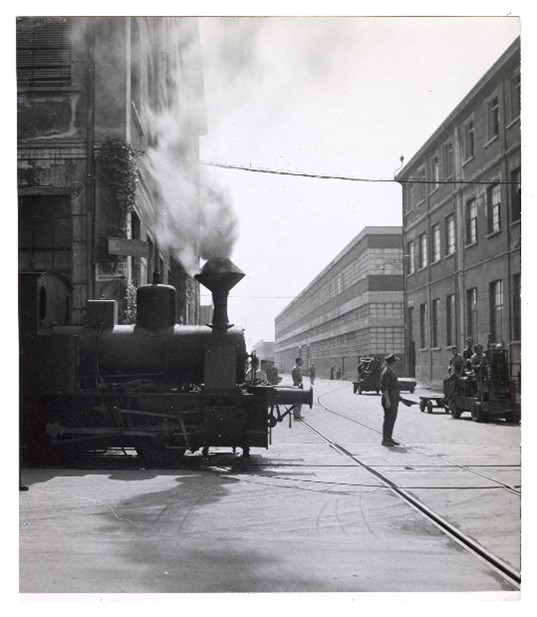
Let us start with a railway station, a place of fundamental importance to Milan and its twentieth-century industrial growth. Inaugurated in 1914, Greco station stood between the municipalities of Greco Milanese and Gorla Primo (later Gorlaprecotto), which were incorporated into the municipality of Milan in 1923. It served the surrounding industrial complexes in that part of the city—Breda (later Ansaldo), Manifattura Tabacchi, CIWL and Pirelli—connecting them to the wider world. “An event breaks Bicocca out of its doldrums. A train loaded to the brim chugs into Greco. Raw rubber from Genoa! And possibly coal and other raw materials. Finally!” — so reads scene 21 of Questa è la nostra città (This is Our City), a screenplay written by Alberto Moravia in 1947 at Pirelli’s request, to celebrate the company’s 75th anniversary. It has been published for the first time this year by Bompiani. In 1957, the Milano Greco station was renamed Milano Greco Pirelli in tribute to the company’s nearby factories, which by then had occupied a significant part of the Bicocca district.
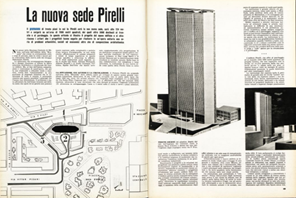
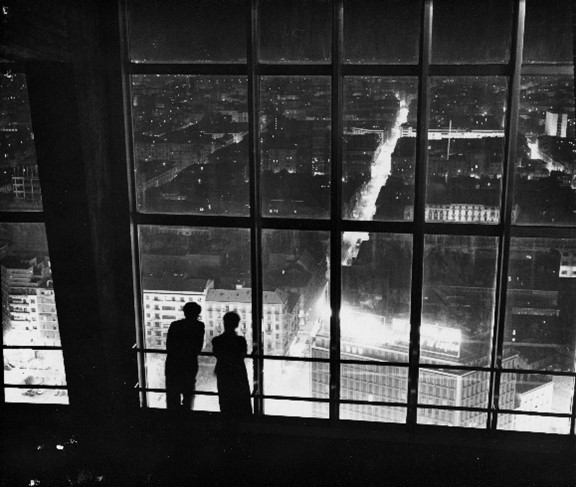
Next we come to a skyscraper—not the first in Milan, as the city had already begun to climb skyward in the 1920s with the first buildings to be known as “skyscrapers”. On 12 July 1956, however, the cornerstone was officially laid for the Pirelli Tower, the Group’s new headquarters, built on the site of the historic Brusada buildings, remnants of the original plant that had survived the 1943 bombings. Designed by Gio Ponti and Giuseppe Valtolina, with input from Pierluigi Nervi and Arturo Danusso, the tower was completed in 1960 and was acclaimed in the international press as an exceptional work both for its engineering and for its aesthetic innovation. The 127-metre, 31-storey Pirelli Tower is a soaring, elegant structure of reinforced concrete. It features a broad central body that narrows to delicate edges that almost close. It was the tallest reinforced concrete building in Europe and the third tallest in the world and displays an extraordinary and elegant rationality. Its facade is a continuous glass window in aluminium and glass covering 9,500 square metres, which during the day reflects “the movements of the sky”, making the Pirellone stand out against the Milan skyline. The Tower remained the property of Pirelli until 1978, when it was sold to the Lombardy Region, but its name remained among the symbols and icons of “The City that Rises”, retaining the record for height in the Milanese capital until 2010.
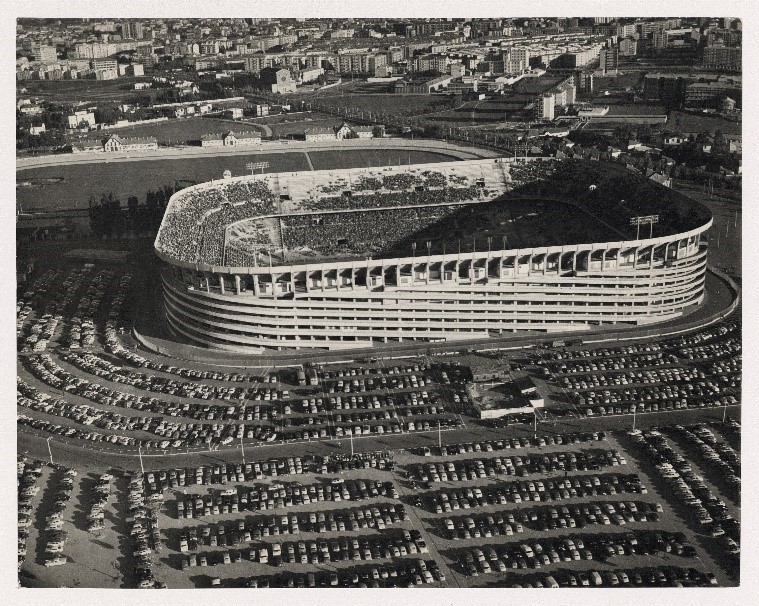
Pirelli’s name is also etched into two of Milan’s most iconic sporting venues, both of which have made international history: one in the world of football, the other in cycling. A sports enthusiast and the eldest son of the company’s founder, Piero Pirelli helped to establish the Milan Football Club in 1899, later serving as its president from 1909 to 1929. In 1926, he also contributed to the construction of the San Siro stadium. His life was one of business and social activities but also of a great passion for sport.
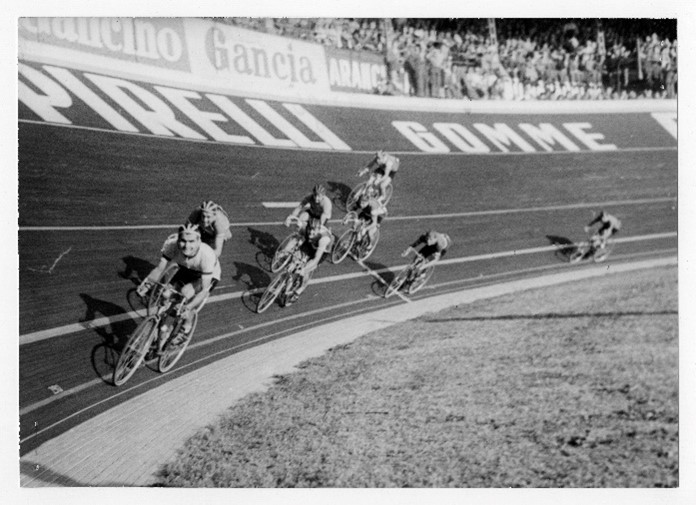
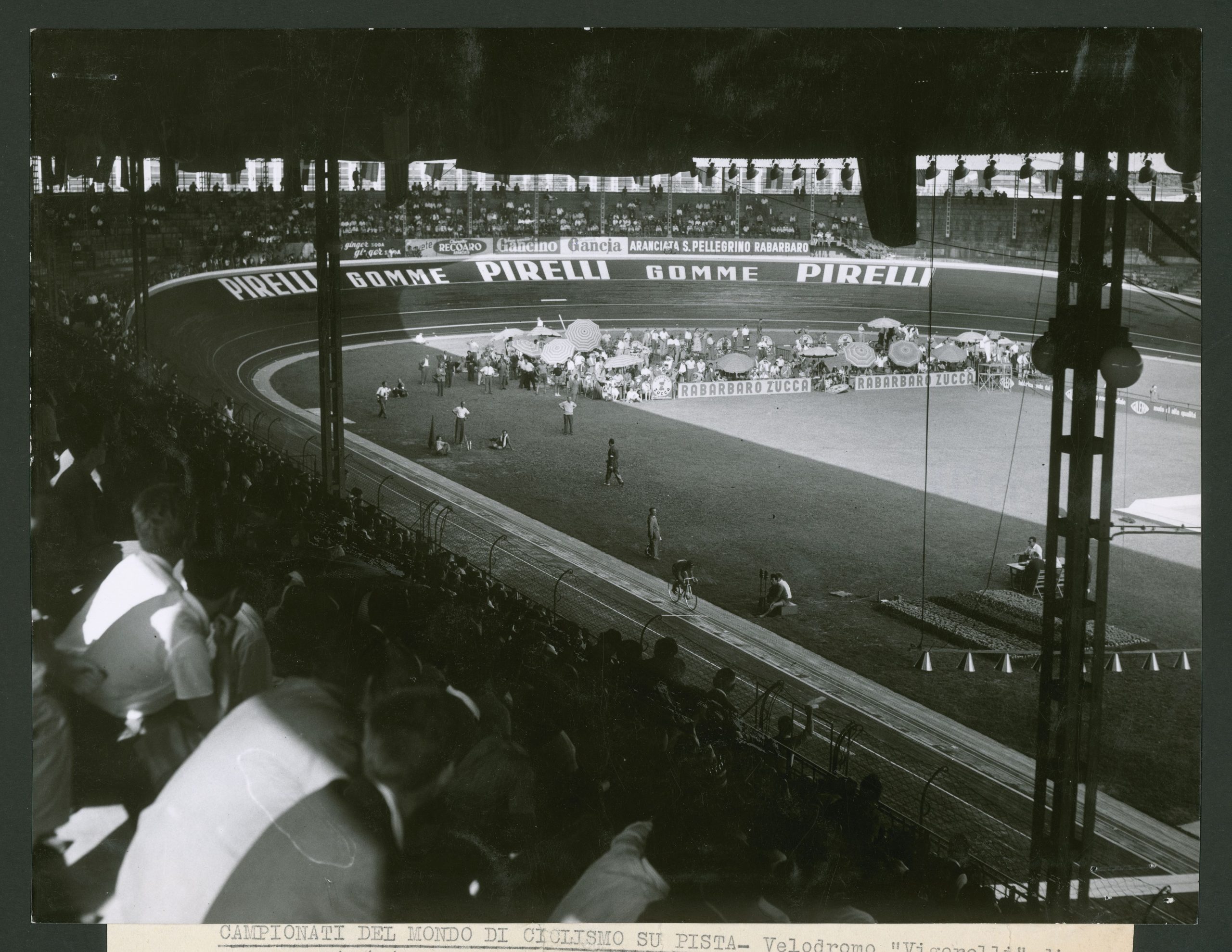
In 1935, the semi-covered Vigorelli Velodrome was inaugurated, taking the place of the then outdated Corso Sempione track, which had been demolished in 1928. Championed by Pirelli and Giuseppe Vigorelli—a former track cyclist, industrialist and member of the Pirelli sales team—the new velodrome quickly earned a reputation as a veritable temple of Italian and international cycling. It was here, on 7 November 1942, that Fausto Coppi set his legendary world hour record: 45,798 km. During its golden era, from 1949 to 1957, under the guidance of the cycling great Alfredo Binda, the Vigorelli also hosted the Gran Premio Pirelli. This competition brought together young cycling enthusiasts from across the country, who competed in regional heats culminating in the grand finale on the revered Milan track—the “temple” of cycling.
Pirelli and Milan: a name etched into the very fabric of the city.
Pirelli and Milan share a deep-rooted, lasting bond. One that has shaped everything from street names to architecture and sporting venues. A new chapter in “Pirelli, a City and a Vision” opens the doors to our Historical Archive, which is home to more than four kilometres of records
Some companies imprint themselves not only on the physical landscape but also on that of the imagination. Pirelli is one of them. Founded in Milan in 1872, with its first factory in Via Ponte Seveso (now Via Fabio Filzi), the company rapidly expanded abroad, all while maintaining its deep-rooted connection with the city where it was born. This bond has led to a history unlike any other, as we see even in the names it has adopted.
In the first article of this series, “Pirelli, a City and a Vision”, we saw how the company’s connection with Milan quickly became a defining feature. From the inclusion of “Milano” in the firm’s name to its early products—the first registered trademark in 1888, the first Italian cable-laying vessel Città di Milano, and the Tipo Milano bicycle tyres launched in 1894—the name echoed across Pirelli’s identity. “Milano” appeared consistently in the company’s catalogues, price lists and marketing materials, reinforcing this intimate connection.
As the company grew, its factories, product lines, workforce and community relationships multiplied. “Pirelli” became a well-known and prestigious name. It acquired iconic status, to the point that, in Milan, it became synonymous with the city itself.
Let us start with a railway station, a place of fundamental importance to Milan and its twentieth-century industrial growth. Inaugurated in 1914, Greco station stood between the municipalities of Greco Milanese and Gorla Primo (later Gorlaprecotto), which were incorporated into the municipality of Milan in 1923. It served the surrounding industrial complexes in that part of the city—Breda (later Ansaldo), Manifattura Tabacchi, CIWL and Pirelli—connecting them to the wider world. “An event breaks Bicocca out of its doldrums. A train loaded to the brim chugs into Greco. Raw rubber from Genoa! And possibly coal and other raw materials. Finally!” — so reads scene 21 of Questa è la nostra città (This is Our City), a screenplay written by Alberto Moravia in 1947 at Pirelli’s request, to celebrate the company’s 75th anniversary. It has been published for the first time this year by Bompiani. In 1957, the Milano Greco station was renamed Milano Greco Pirelli in tribute to the company’s nearby factories, which by then had occupied a significant part of the Bicocca district.
Next we come to a skyscraper—not the first in Milan, as the city had already begun to climb skyward in the 1920s with the first buildings to be known as “skyscrapers”. On 12 July 1956, however, the cornerstone was officially laid for the Pirelli Tower, the Group’s new headquarters, built on the site of the historic Brusada buildings, remnants of the original plant that had survived the 1943 bombings. Designed by Gio Ponti and Giuseppe Valtolina, with input from Pierluigi Nervi and Arturo Danusso, the tower was completed in 1960 and was acclaimed in the international press as an exceptional work both for its engineering and for its aesthetic innovation. The 127-metre, 31-storey Pirelli Tower is a soaring, elegant structure of reinforced concrete. It features a broad central body that narrows to delicate edges that almost close. It was the tallest reinforced concrete building in Europe and the third tallest in the world and displays an extraordinary and elegant rationality. Its facade is a continuous glass window in aluminium and glass covering 9,500 square metres, which during the day reflects “the movements of the sky”, making the Pirellone stand out against the Milan skyline. The Tower remained the property of Pirelli until 1978, when it was sold to the Lombardy Region, but its name remained among the symbols and icons of “The City that Rises”, retaining the record for height in the Milanese capital until 2010.
Pirelli’s name is also etched into two of Milan’s most iconic sporting venues, both of which have made international history: one in the world of football, the other in cycling. A sports enthusiast and the eldest son of the company’s founder, Piero Pirelli helped to establish the Milan Football Club in 1899, later serving as its president from 1909 to 1929. In 1926, he also contributed to the construction of the San Siro stadium. His life was one of business and social activities but also of a great passion for sport.
In 1935, the semi-covered Vigorelli Velodrome was inaugurated, taking the place of the then outdated Corso Sempione track, which had been demolished in 1928. Championed by Pirelli and Giuseppe Vigorelli—a former track cyclist, industrialist and member of the Pirelli sales team—the new velodrome quickly earned a reputation as a veritable temple of Italian and international cycling. It was here, on 7 November 1942, that Fausto Coppi set his legendary world hour record: 45,798 km. During its golden era, from 1949 to 1957, under the guidance of the cycling great Alfredo Binda, the Vigorelli also hosted the Gran Premio Pirelli. This competition brought together young cycling enthusiasts from across the country, who competed in regional heats culminating in the grand finale on the revered Milan track—the “temple” of cycling.
Pirelli and Milan: a name etched into the very fabric of the city.