
The Giro d’Italia


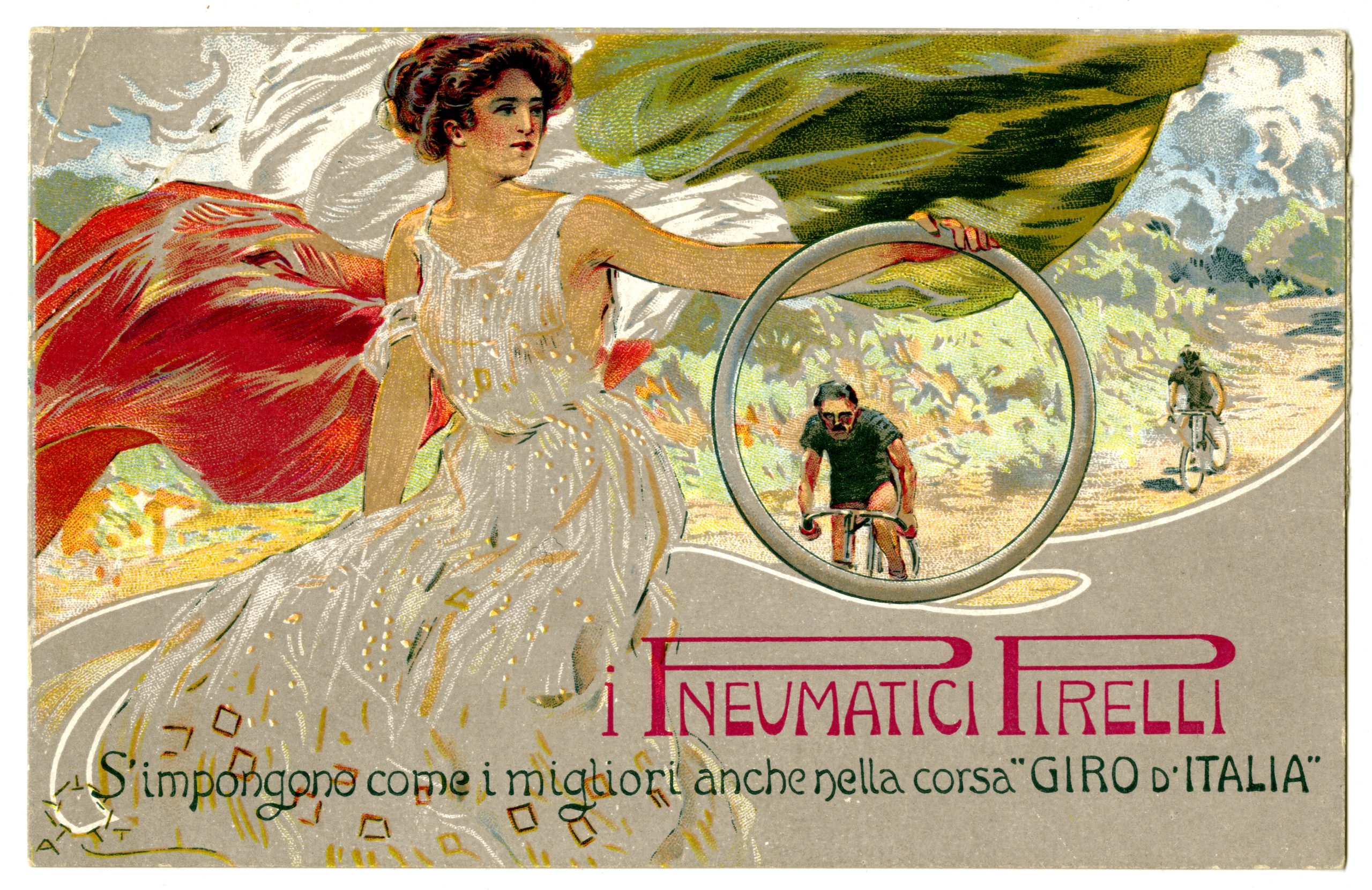
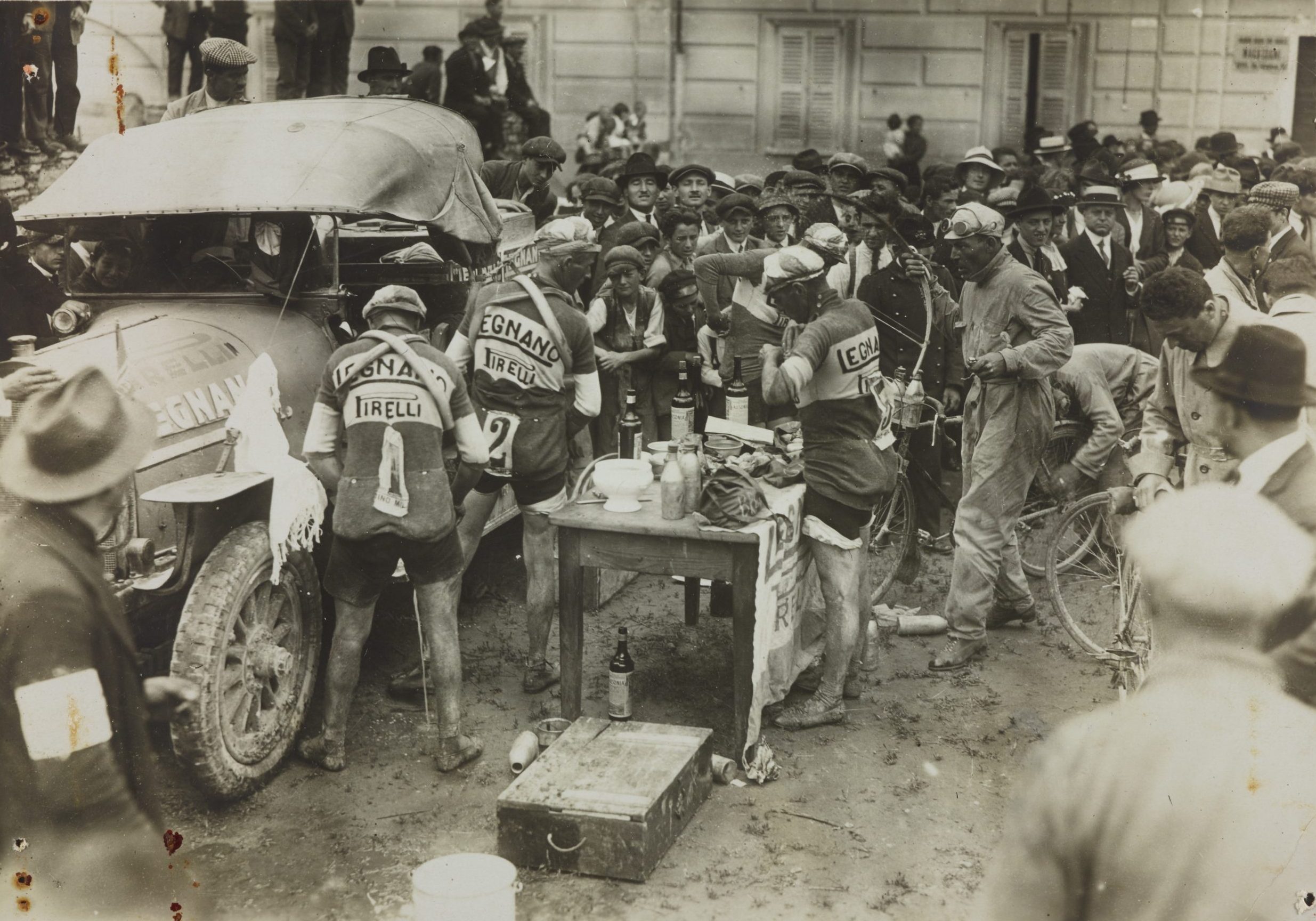
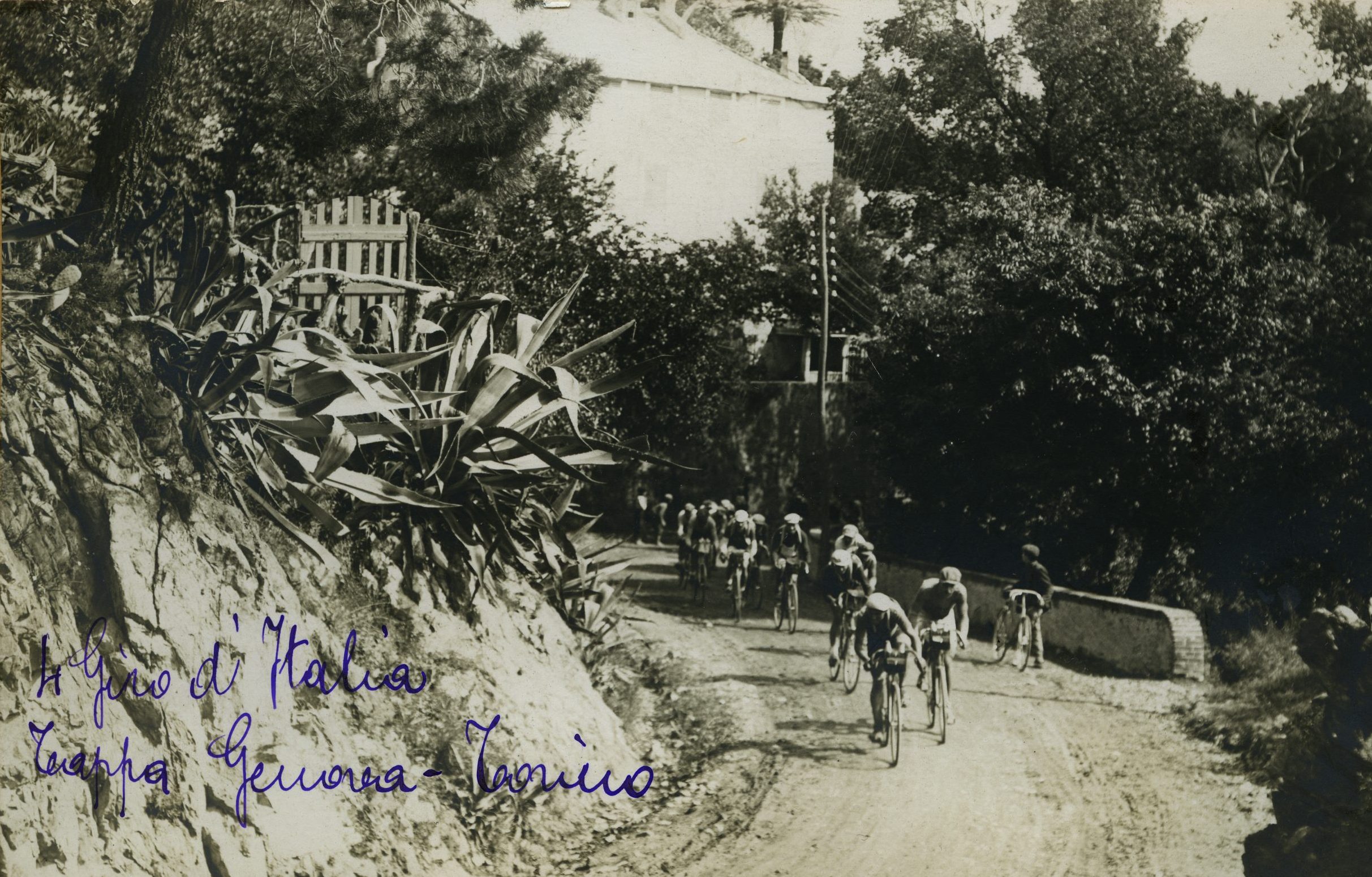
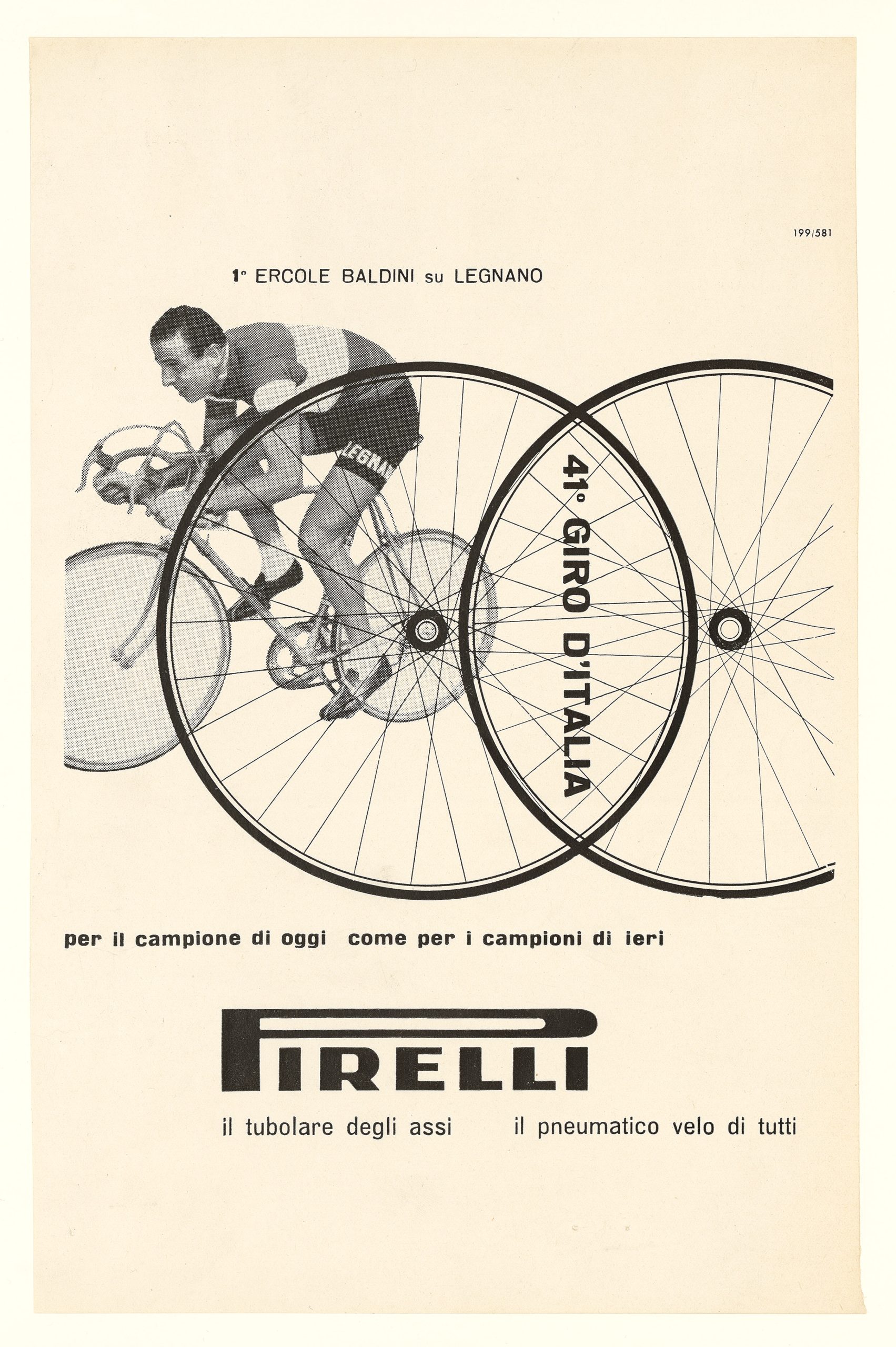
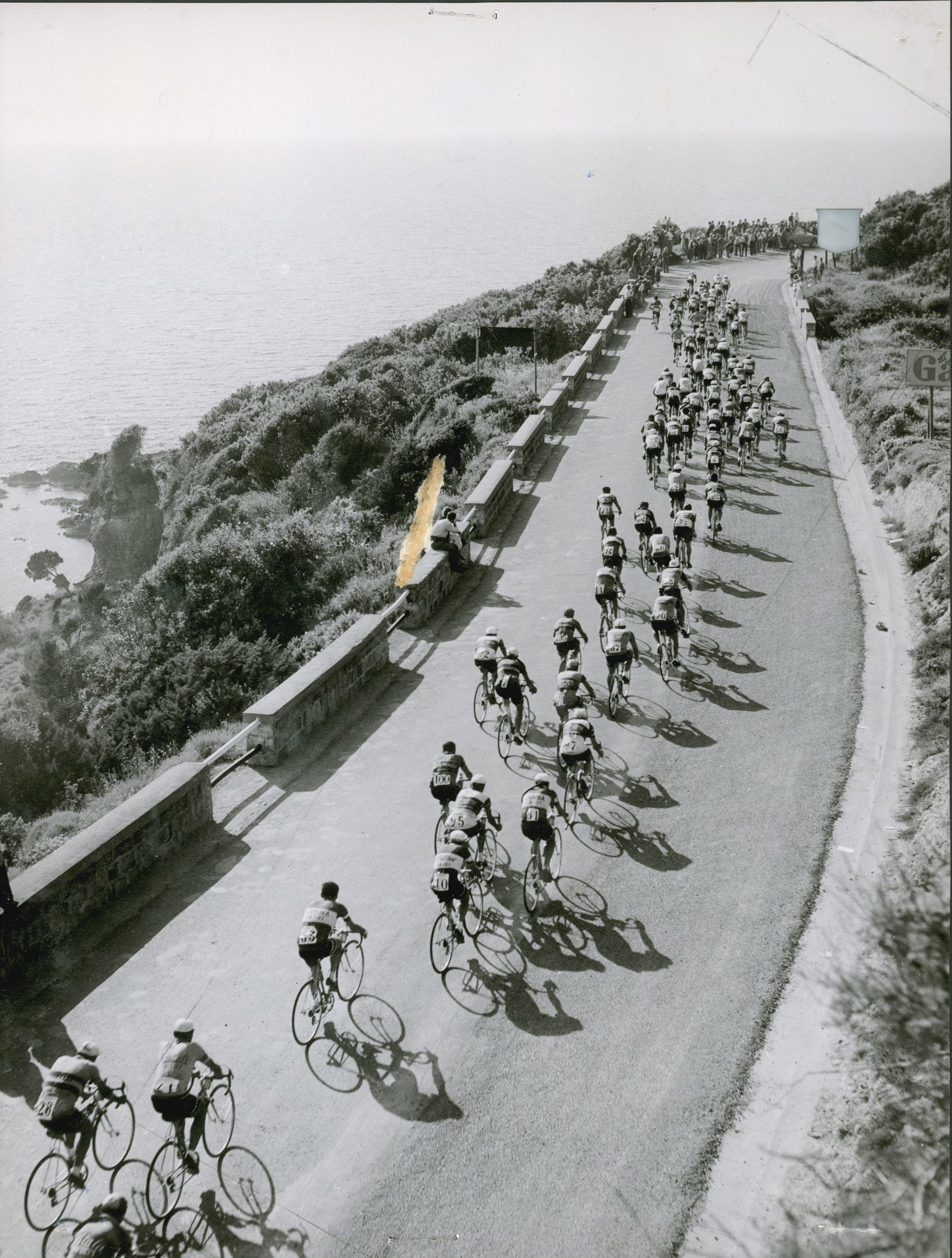
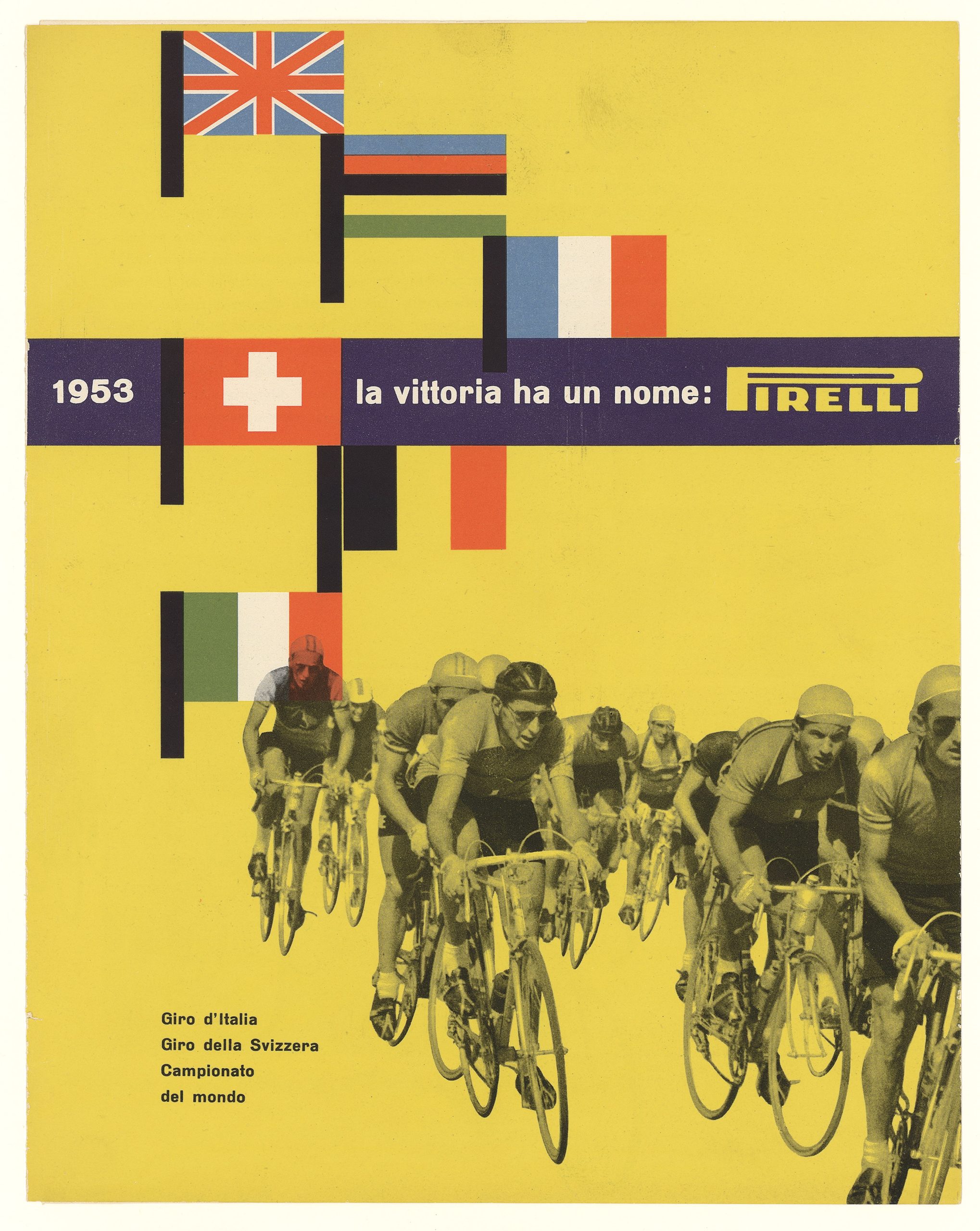
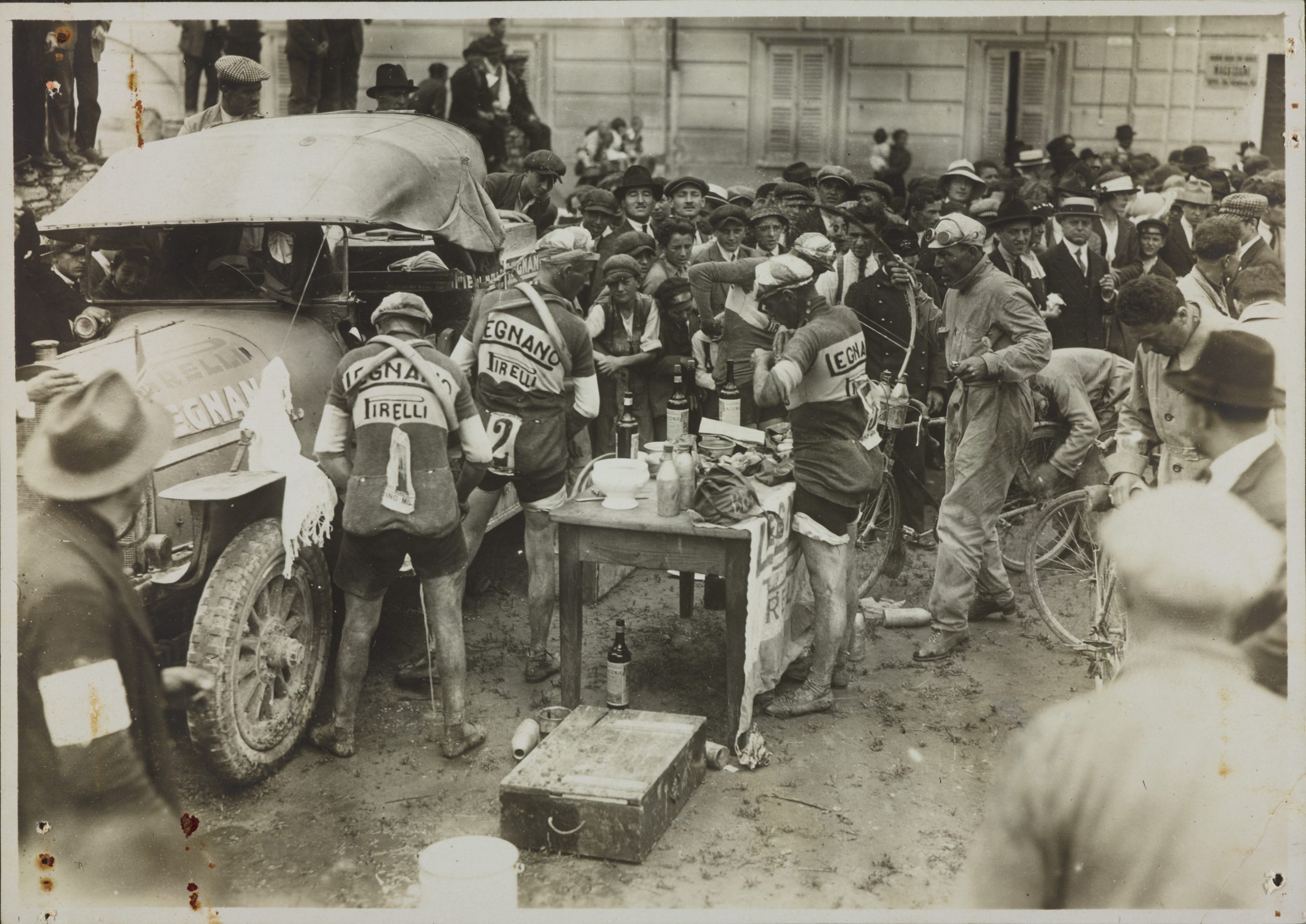
13 May 1909. Two years later, Angelo Gatti, the head of Atala, encouraged La Gazzetta dello Sport under the guidance of Eugenio Costamagna and Armando Cougnet, to organise the first cycling competition across all Italy: the Giro d’Italia. Eight stages, 2,448 km from Milan to Naples and back, with a hundred and twenty-seven competitors at the starting line. Only forty-nine made it all the way to the end. News reports from the time indicate that over thirty of them – over 60% of those who completed the gruelling course – had fitted their Atala, Bianchi, Legnano, Rudge, and Stucchi bicycles with Pirelli Stella tyres. And this also included the French, on their Alcyones and Peugeots.
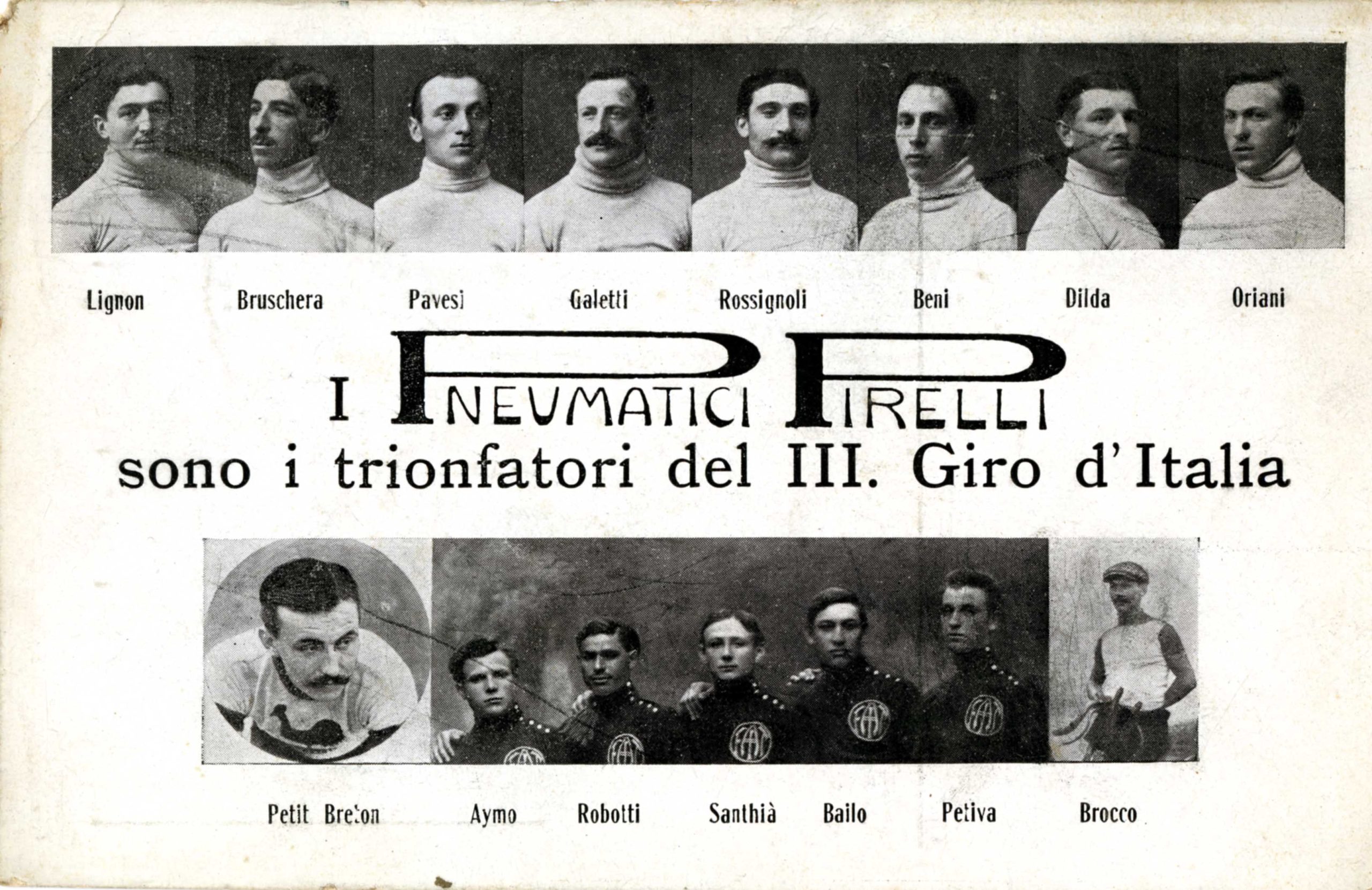
One of the contenders was Luigi Ganna, a cycling champion from Varese, who rode his bicycle to his workplace in Milan every day and, when he was just twenty-five, had already won a Milano-Sanremo. Next to him, Carlo Galetti manoeuvred adeptly in the peloton, surging ahead in the final sprint to outpace his rivals. One of these was Giovanni Rossignoli, nicknamed “baslòt”, and another was Giovanni Gerbi, better known as “Red Devil ”, due to the colour of his jersey. Then there was Eberardo Pavesi, nicknamed “the Professor” for his articulate manner. A few years later, the first and still the only woman ever to have competed with (and against) male cyclists came onto the scene. Alfonsina Strada had already become known as “the best Italian cyclist” when she was just sixteen. This was when she gained the top spot on the podium at the Grand Prix of St Petersburg and set the women’s speed record on the Moncalieri track, earning accolades both in Italy and internationally. Her presence on the track prompted early discussions on gender disparities in competitive sports, underscoring the combination of accessibility, talent, and
activism that reflected the spirit of the cycling community in the early twentieth century.
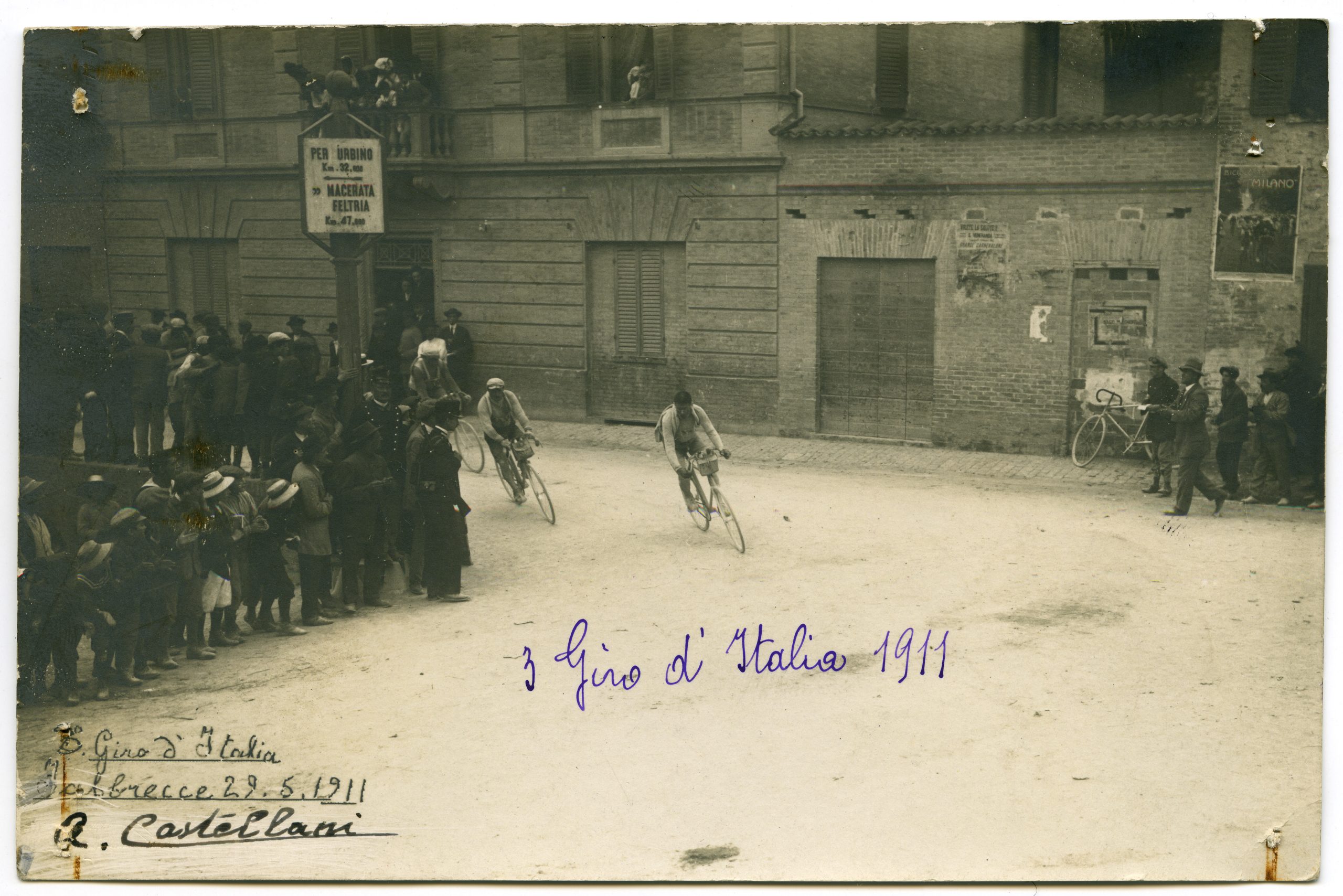
On 30 May, Dario Beni triumphantly crossed the finish line at Parco Trotter in Milan astride his Bianchi, closely trailed by Carlo Galetti and Luigi Ganna. But since the general standings were based on accumulated points, it was Ganna who emerged victorious in the Giro, securing the 5,000 lire prize. Surprisingly, no French rider managed to make it all the way to the end of the race.