

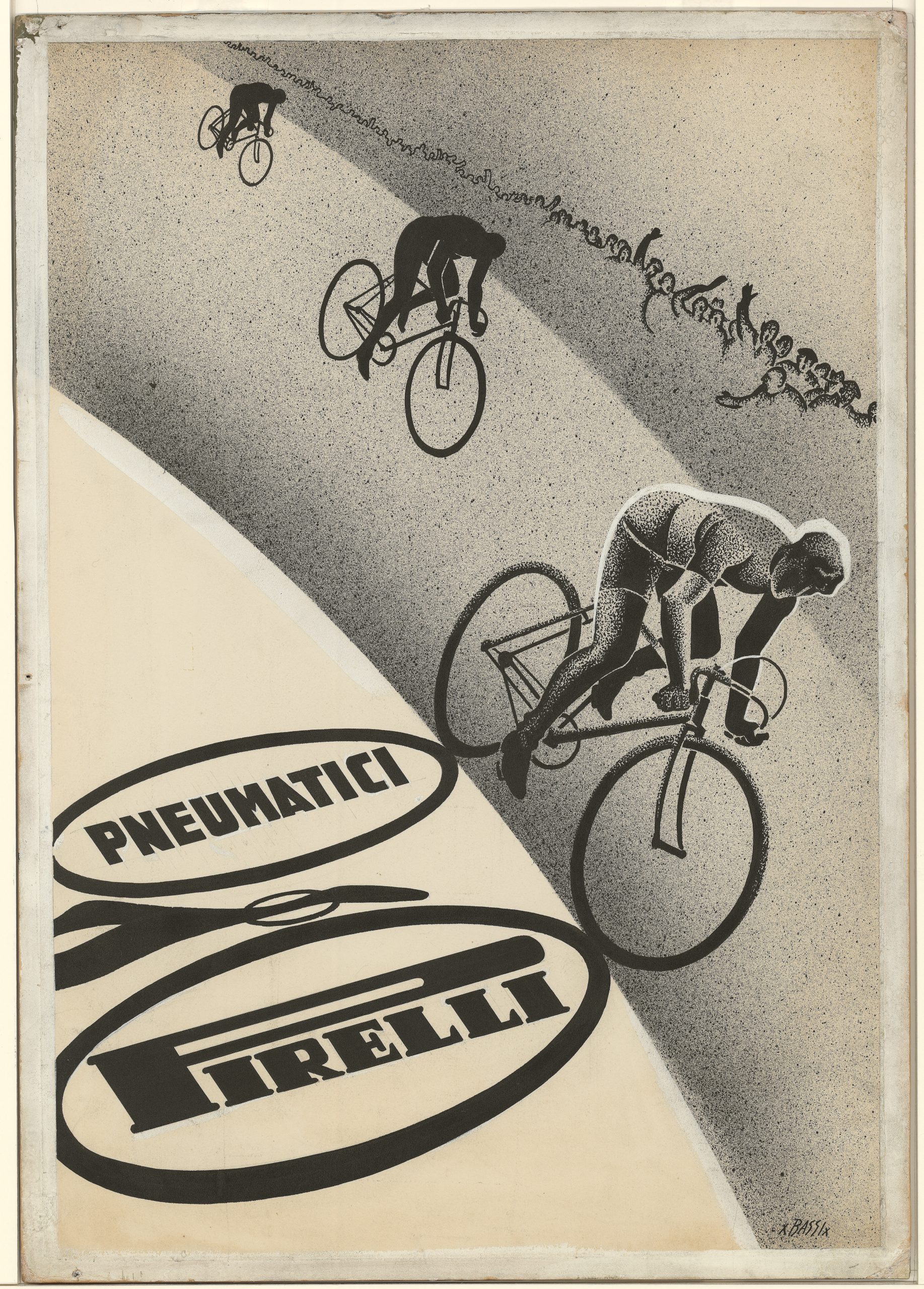
The Thirties: the Long P reaches the podium


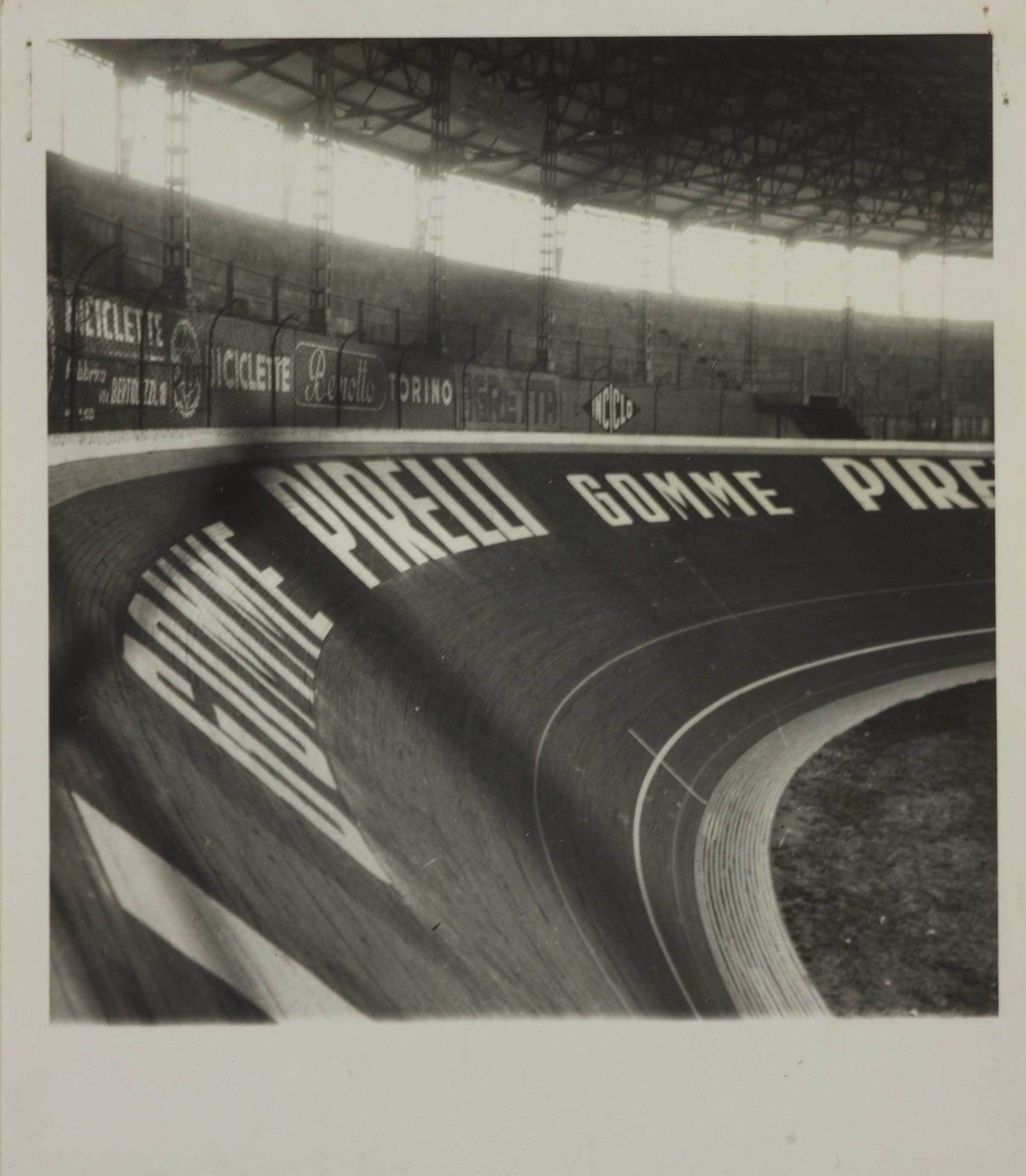
In the early 1930s, the new Pirelli Stella d’Oro made its debut, and tubular tyres began to be used on both road and track. They appeared at the Velodromo del Sempione and, later, on the wooden slats of the circuit created in 1935 by Giuseppe Vigorelli, who managed the Agenzia Lombarda Gomme Pirelli for many years. With numerous victories under its belt, the “Long P” emblem became an icon of national identity that Italy had once again found in racing, asserting its dominance on racing circuits both domestically and abroad. Longevity and reliability. The Pirelli logo appeared everywhere: on the riders’ jerseys, in promotional catalogues, on the Stella Extra and Flexor tyres, and even emblazoned on the jerseys of the great champions. One of these was Costante Girardengo, who etched his name in history with his Pirelli tyres, winning stage after stage until 1925, when the title was snatched from him by a young cyclist from Cittiglio, near Varese: Alfredo Binda.
Girardengo, a Campionissimo… on Pirelli tyres
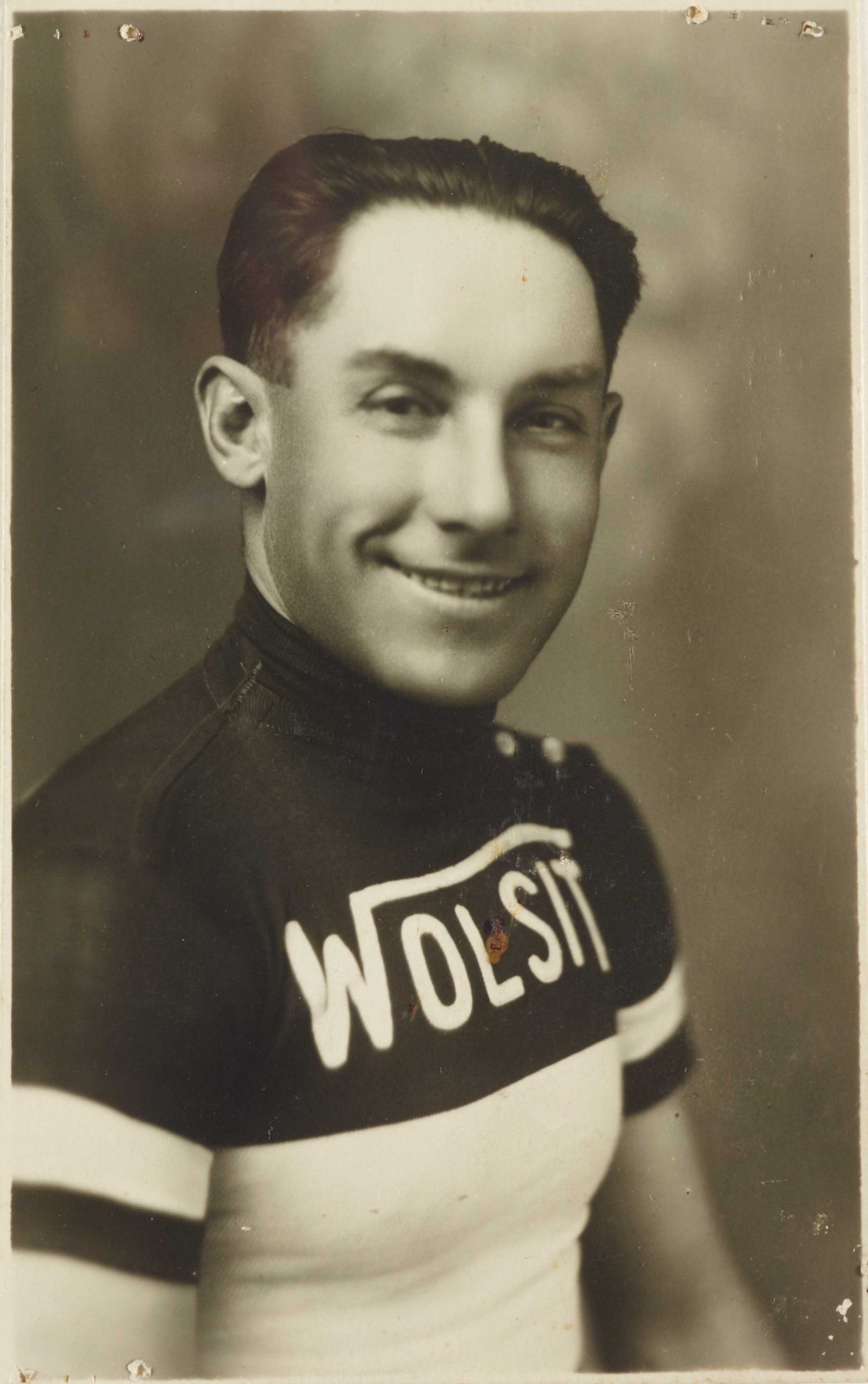
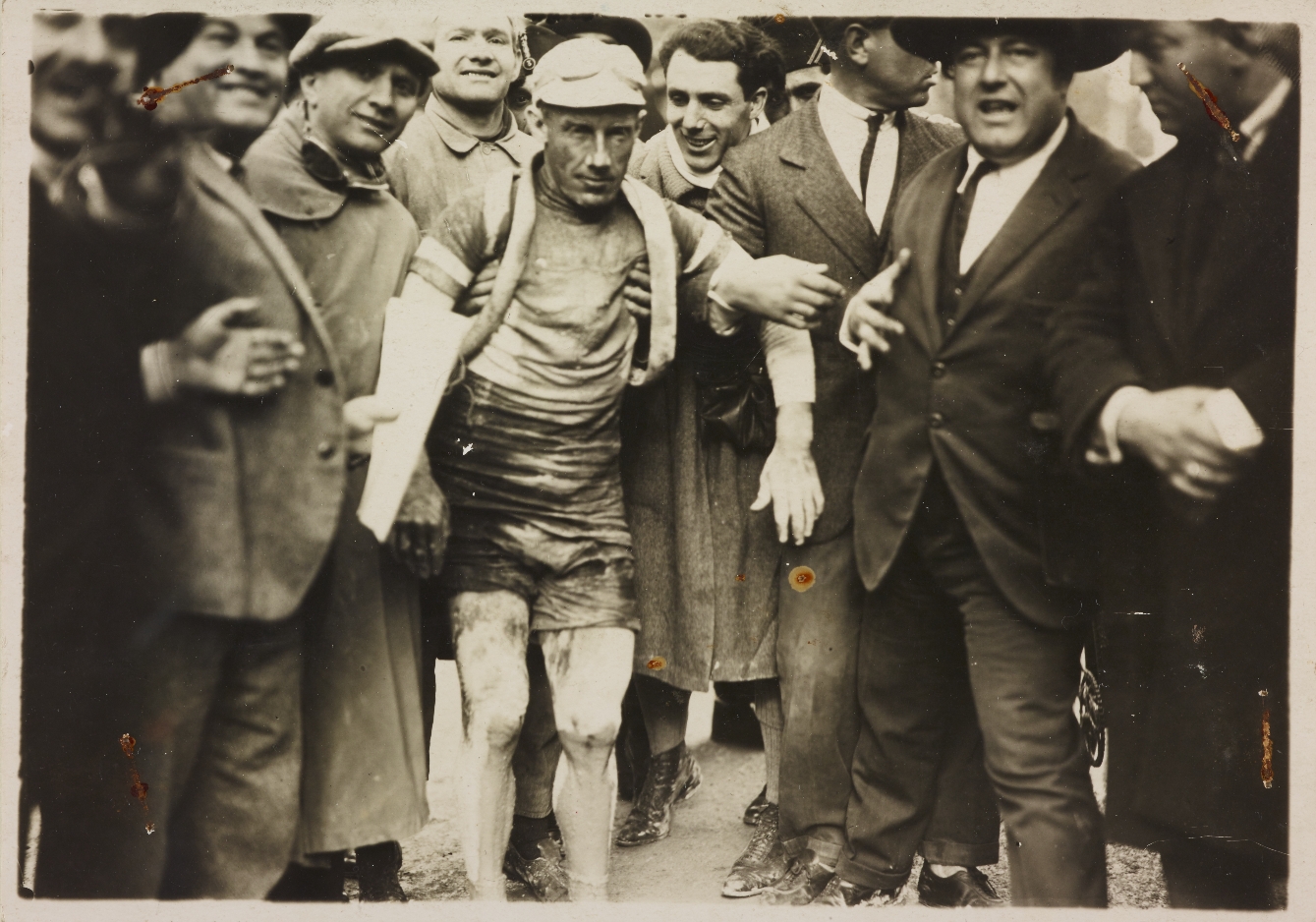
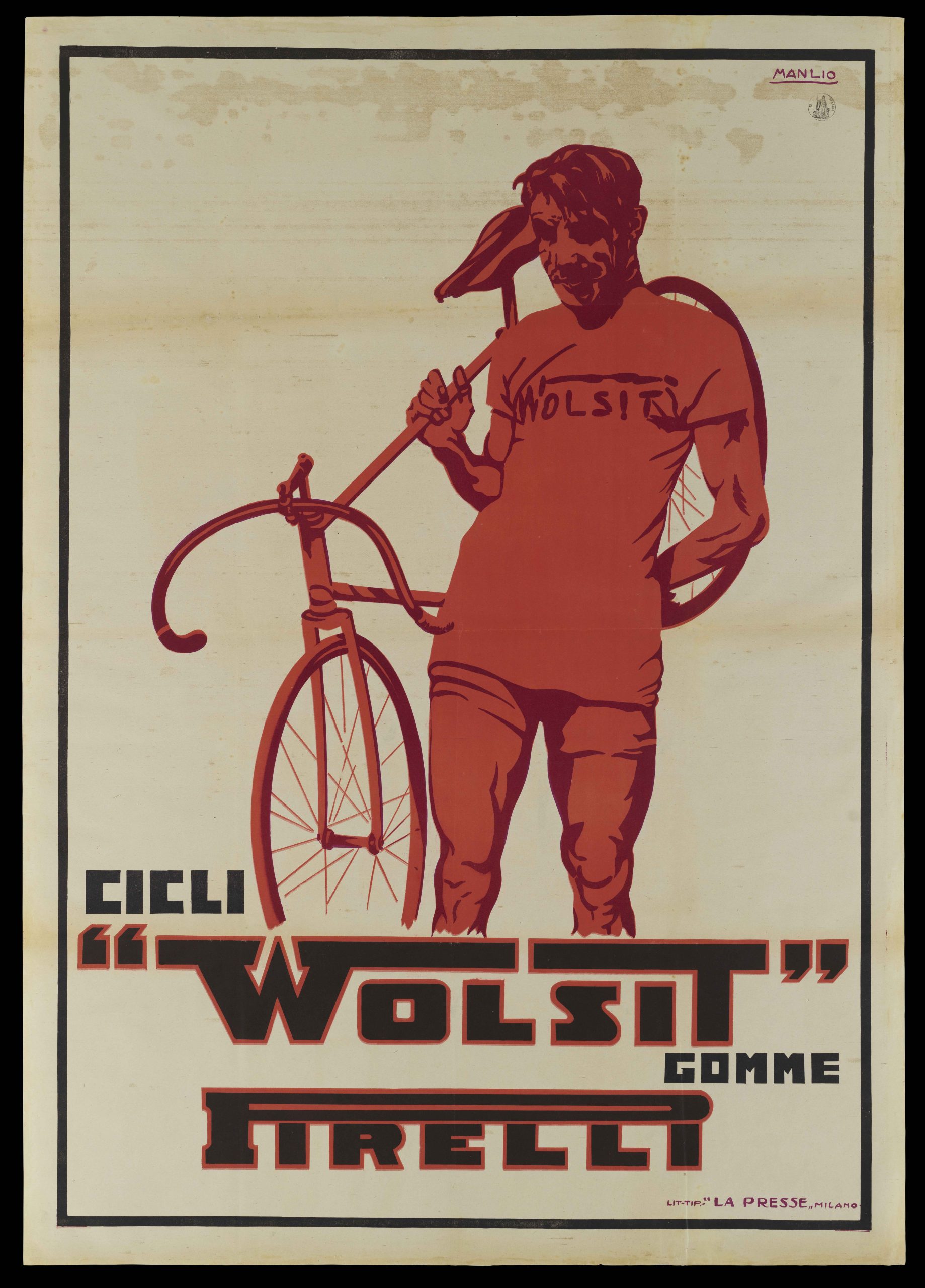
As a boy, Costante Girardengo would watch the Milano-Sanremo and the Giro d’Italia hurtling through his hometown, Novi Ligure, and at some point his fate and that of Pirelli seem destined to intertwine. And so they did, on countless occasions. By the time he was twenty-one, Costante had already shown that he was a true professional and an Italian champion. He won several stages of the Giro and came first in the 1913 Roma-Napoli-Roma Gran Fondo. He may not yet have become “il Campionissimo” but he certainly was already “il Gira” and that was enough for him to be noticed by the big teams. The jersey he wore in April 1921 was that of Stucchi-Pirelli, when he won the Milano-Sanremo and four stages of the Giro d’Italia on his Bianchi. In the fifth stage, in Abruzzo, however, a disastrous collision with other cyclists abruptly forced him to quit, enabling his bitter rival, Giovanni Brunero and the Legnano team, to go on and win the race. After riding with Stucchi and Bianchi, Girardengo returned to Pirelli in 1925 and 1926, sporting the jersey of Wolsit, the Italian licensee of the English Wolseley. Despite being thirtytwo years old, Girardengo still notched up victory after victory until the 1925 Giro d’Italia when, despite winning six stages, he ultimately lost the coveted pink jersey, when a young man from Varese snatched victory from him. The man was Alfredo Binda. A new chapter in Girardengo’s story with Pirelli opened, and it was filled with unexpected twists and turns. From then on, the Campionissimo entered the final phase of his career: he won only two stages in the 1926 Giro and pulled out halfway through the race. It was not Binda but Brunero who came in first, but together they gave the Legnano team a double victory.