

The Tour de France


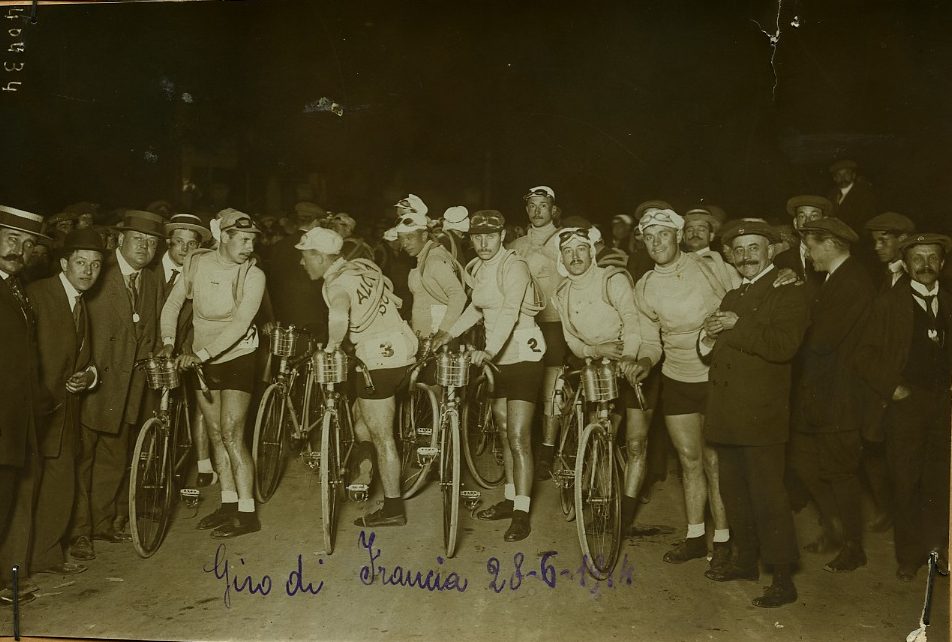
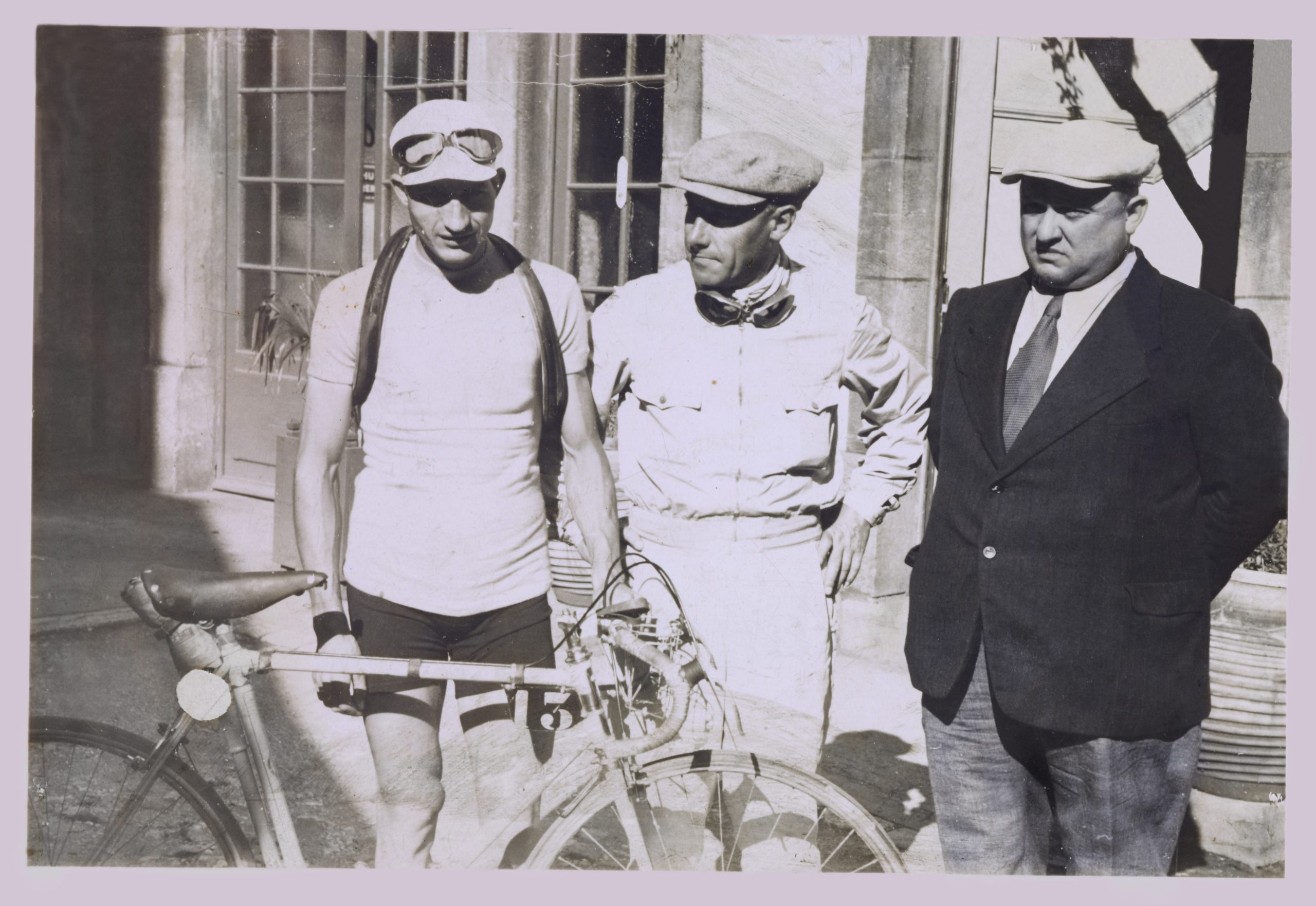
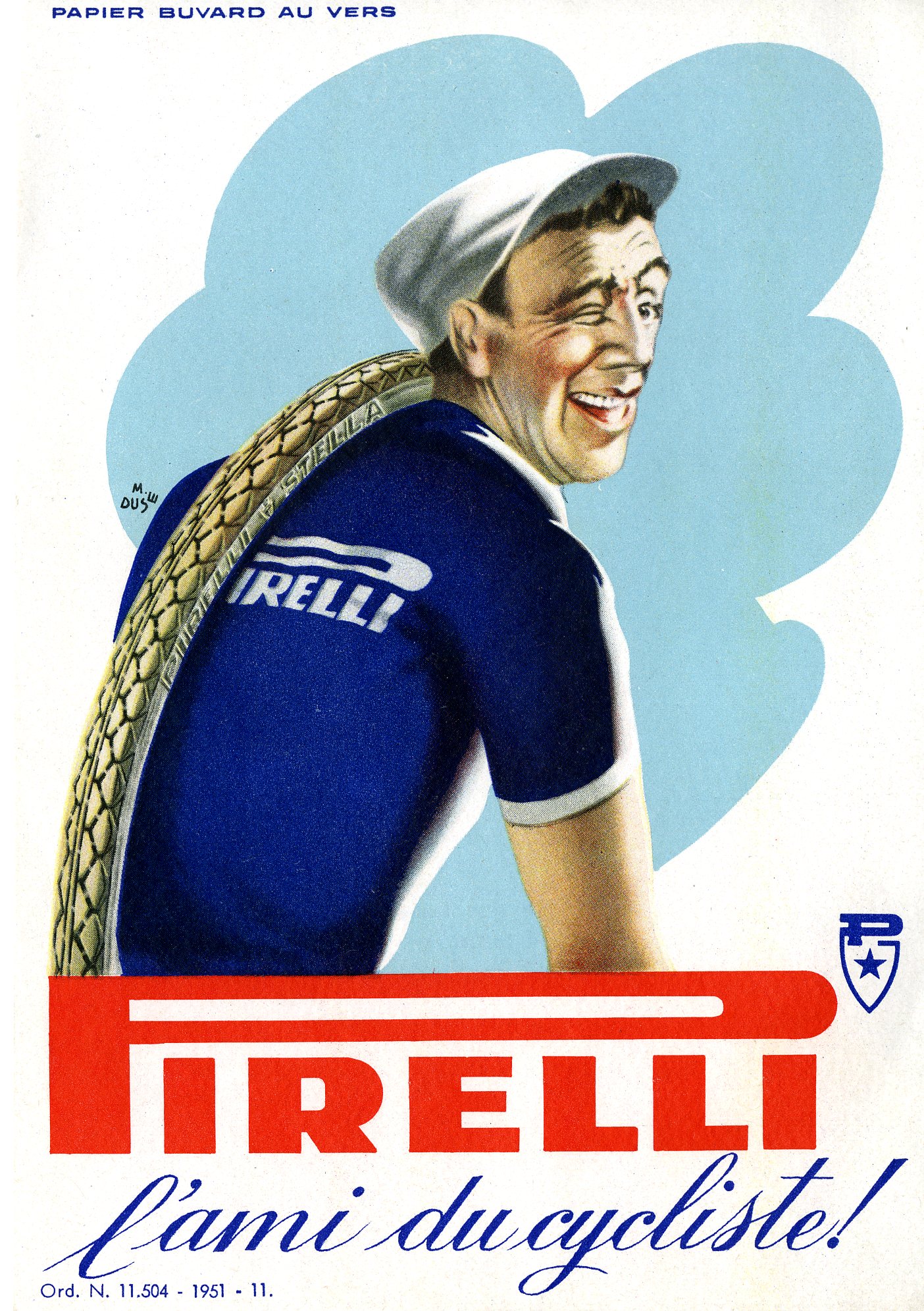
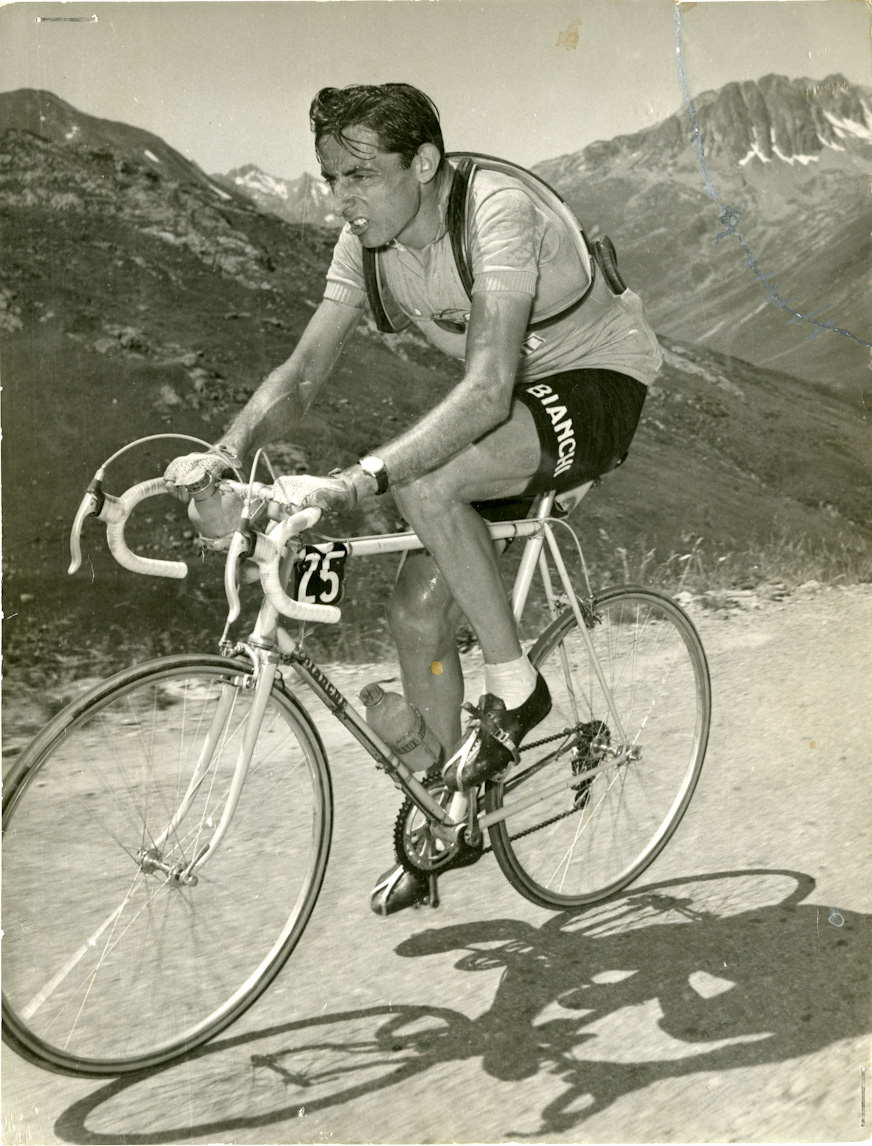
September 1907. Just one month has passed since the most extraordinary contest, the Peking-Paris Motor Race. Pirelli was still bathing in the glory of its victory with Prince Scipione Borghese’s Itala, having helped him secure first place in the first rally in history, but almost immediately it drew up a new agreement for the supply of tyres. This time, the focus shifted to bicycles. Produced by OTAV (Officine Türkheimer per Automobili e Velocipedi of Milan) they were used on the bicycles ridden by Carlo Galetti, Luigi Ganna and Eberardo Pavesi (aka “The Three Musketeers”) in the fifth edition of the most famous transalpine cycling race: the Tour de France.
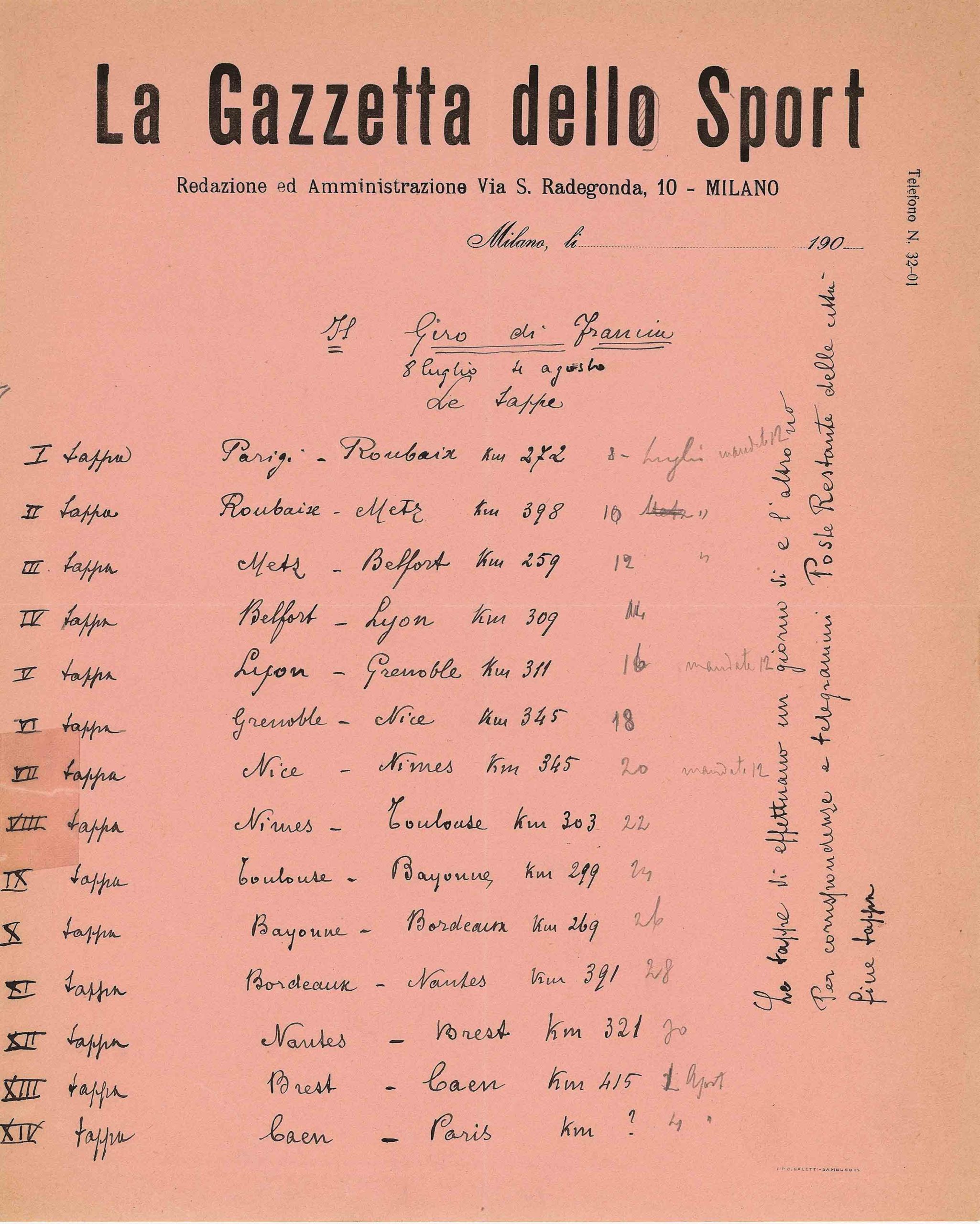
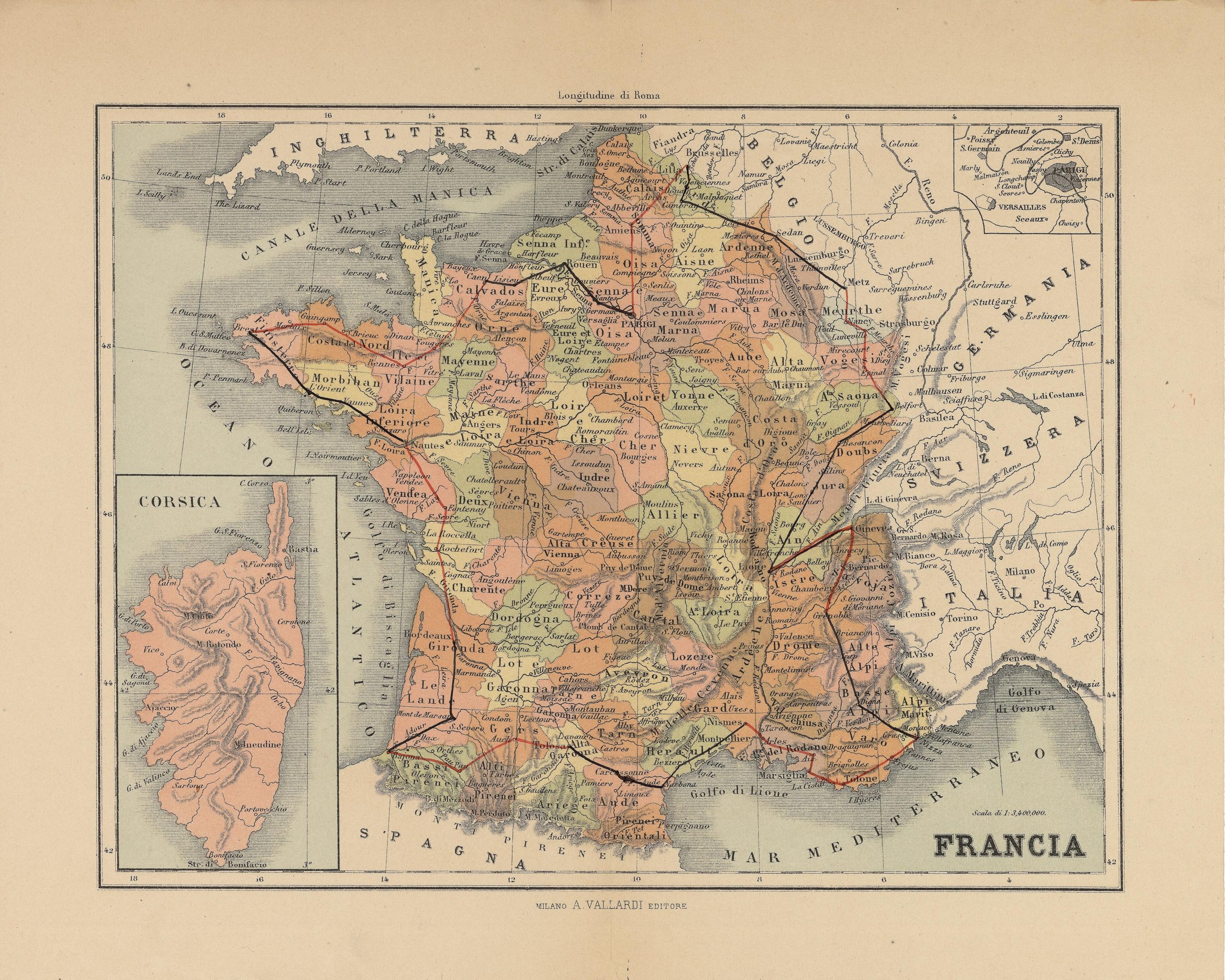
In Italy, the fourteen stages of the Tour were announced by La Gazzetta dello Sport: covering 4,488 km of France, it started in Paris and ended up back in the capital, after going through major cities such as Roubaix, Lyon, Nice, Toulouse, and Nantes. A total of ninety-three riders were vying for victory, but only thirty-three made it back to the Ville Lumière. Among these, the only one of “The Three Musketeers” to make it over the line was Eberardo Pavesi, coming in sixth overall, and the first of the isolés i.e. those riders who signed up for the race without being part of a team.