
The number of international students at Milan’s universities is on the rise: the new challenges of the knowledge economy


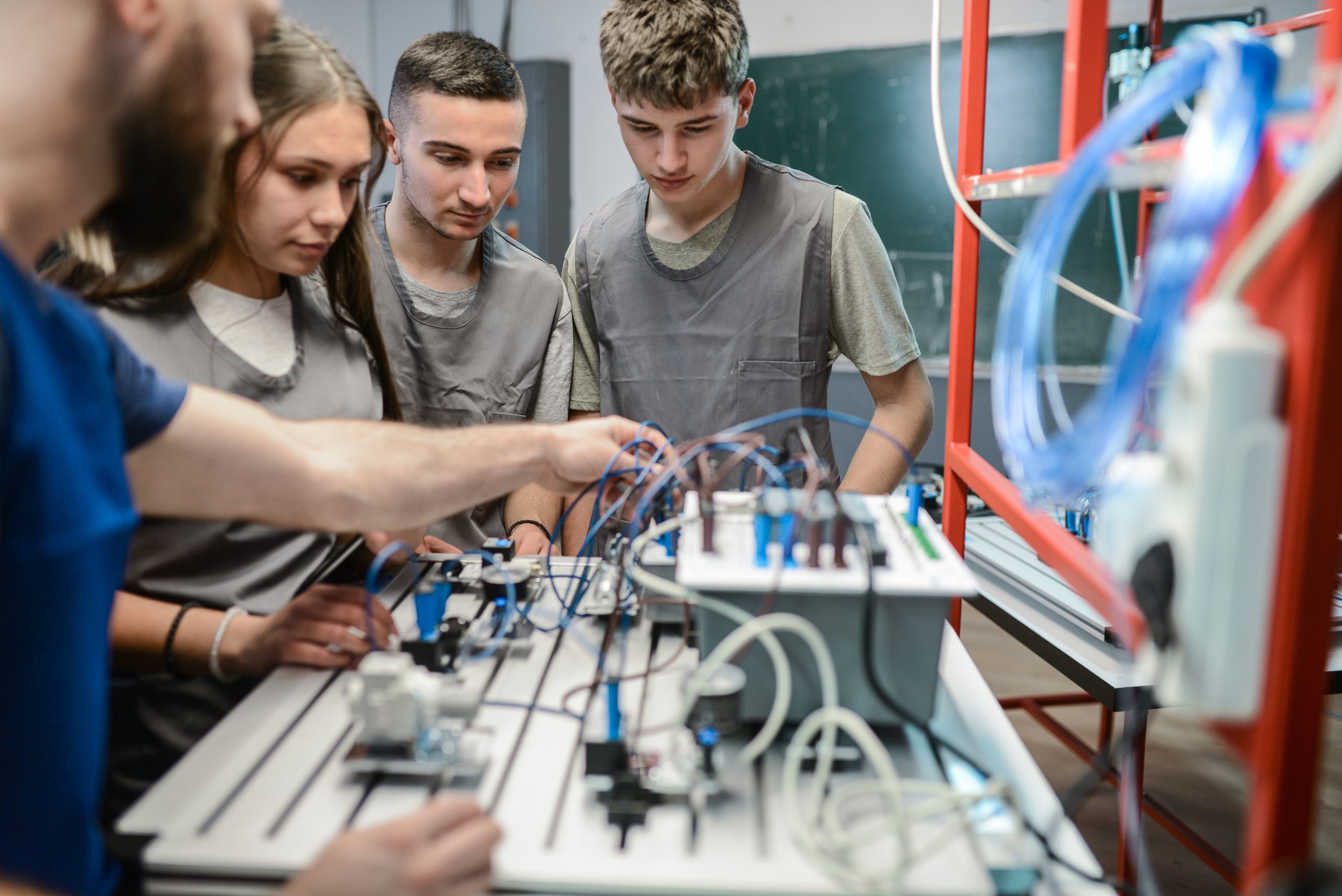
September in Milan begins with some good news: a veritable boom in the number of international first-year university students. Over 26,000 of the total 220,000 enrolments are from abroad, mainly from China, India, Turkey and Iran, but also from the US and other European countries (Corriere della Sera, 30 August). In short, Milan has reaffirmed its appeal as a metropolis of knowledge – a city where one can pursue a high-calibre education, at the ever-shifting frontier of new scientific and technological developments and the transformations currently taking place in the world of work.
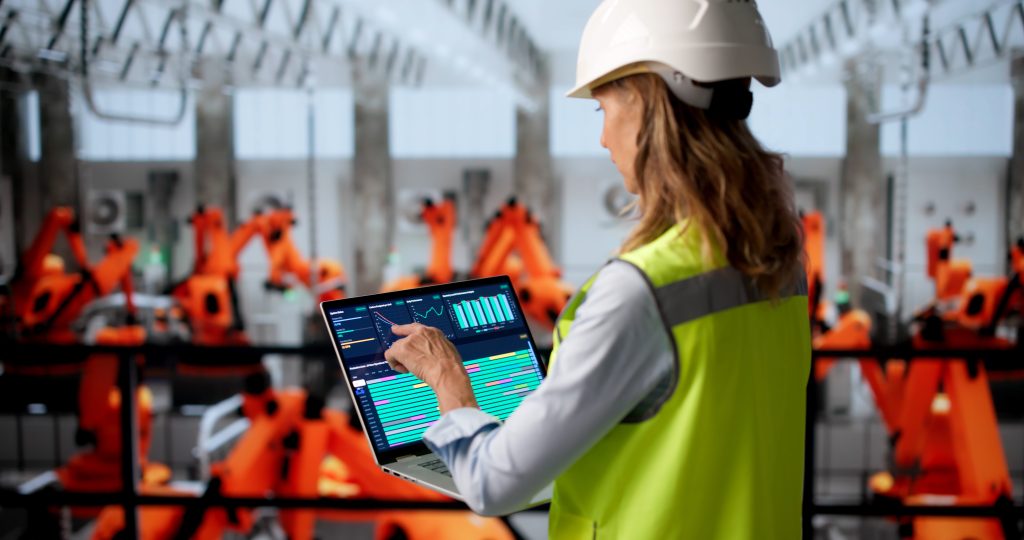
The internationalisation of our universities, a choice we have been making for years, particularly in the STEM subjects (science, technology, engineering and mathematics), is proving to be a successful strategy for cultural and professional development. It also serves as a guide for the paths that other universities should follow. The fundamental choice to be made is to build Italy as a major Mediterranean hub for education, drawing on its ‘political culture’ and thus on its ability to integrate humanistic and scientific knowledge in an original way. This synthesis confirms Italy’s strength not only in education but also in its entrepreneurial capabilities: the ‘industrial humanism’ that characterises our business culture enables us today, in fact, to possess an extraordinary competitive edge in high value-added niche markets and to consolidate our position amongst the world’s top four exporting nations, from mechatronics to robotics, from shipbuilding to aerospace, from automotive components (starting with tyres, such as cyber tyres) to specialised chemicals and precision pharmaceuticals, with sophisticated use of AI in production processes and products.
The universities most sought after by international students are Bocconi (accounting for 31.4% of its 14,000 students) and the Politecnico (accounting for 19% of its 50,000 students), as well as Humanitas (26% of the 2,700 enrolled) for its medical specialisation programme, which works in close collaboration with both the hospital of the same name and other international schools and research centres led by several Nobel laureates.
Here lies a key strength:international relations. ‘We are part of a network of 300 universities worldwide,’ notes Francesco Billari, Rector of Bocconi University, ‘a project that is fundamental to our universities’ journey towards excellence.’
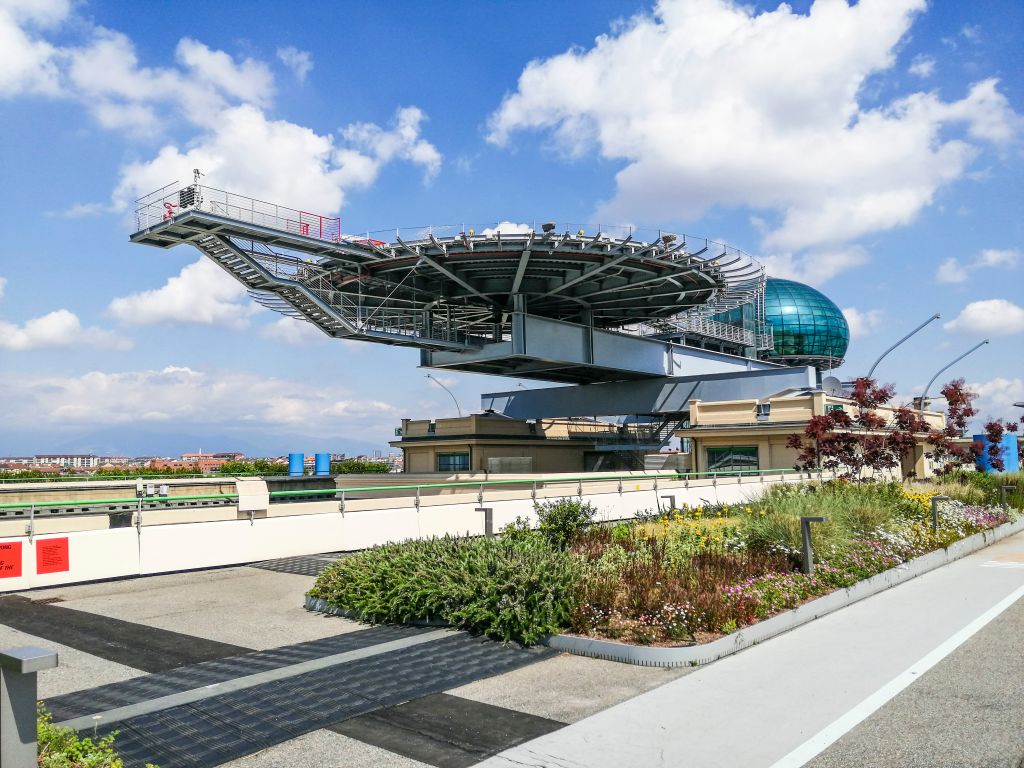
The former Olympic Village, which hosted the athletes of the Milan-Cortina Winter Olympics, has already welcomed its first international students. And Milan can thus confirm not only its role as Italy’s leading university city (a characteristic whose full potential has long been underestimated by the ruling class and by the metropolitan and regional public administration) but also its ability to attract students, at a time when the main driver of growth is precisely knowledge, linked to the most innovative production processes and new technologies. Milan, in short, is a key centre for an economy of European and international significance.
It is precisely these technological transformations that are giving universities a role they did not have until a few years ago: that of a reference point for training processes which go beyond traditional university courses, but are closely linked to a ‘learning to learn’ approach that lasts throughout one’s working life (and which will extend its influence even beyond current legislative and contractual limits: the synthesis between the experience of older generations and the ability to adapt swiftly to innovation will be the intellectual fuel needed to remain one of Europe’s leading industrial nations).
There remain, of course, a number of issues to be resolved, not only within universities themselves – such as a different structure for disciplines and courses, a growing network of partnerships with other international universities, an innovative relationship between education and work, and a focus on lifelong learning: a lifetime spent learning or, to quote Eduardo De Filippo, a state in which ‘exams never end’.
External issues are at least as significant. Milan must be able to rediscover – precisely whilst enjoying these favourable conditions that make it so attractive – its traditional capacity to integrate and absorb, and to remember that ‘one becomes a Milanese’.
We need policies on affordable housing (the very opposite of the ‘exclusive city for the rich’ approach that the city risks becoming), on transport and on services. Policies on security, integration and social solidarity. Labour policies and measures to support career development. Policies on research and innovation. Policies for leisure and sport. Cultural policies that actively involve theatres, music venues, libraries and bookshops, traditional and multimedia publishing, cultural clubs, museums and galleries – in short, the whole world of cultural production, experimentation and consumption for which Milan has long been a leading centre in Italy and Europe.
It is a significant challenge that concerns the Milan metropolitan area, or ‘Greater Milan’. But it also affects the whole country from a European perspective. It will certainly be worthwhile to discuss this at length during the election campaign for the new mayor. There are two dimensions. The first is the duty to envisage the near future with ambition and a sense of responsibility. And the power of a ‘utopia of reconstruction’, which gives political expression to the essential lesson of Ernst Cassirer, one of the greatest philosophers of the 20th century: ‘The great mission of utopia is to open the way to the possible, in opposition to passive acquiescence to the current state of affairs. It is symbolic thought which overcomes the natural inertia of man and endows him with a new ability, the ability constantly to reshape his human universe.’
Knowledge, original and critical thinking, and a willingness to embrace change. Political responsibility for good governance. And why not? A state of love. ‘Love Milan’, as one of the city’s finest mayors, Carlo Tognoli, used to say. After all, isn’t knowledge an act of love?
(photo Getty Images)