

The EU: putting industry at the heart of policy and boosting investment in knowledge


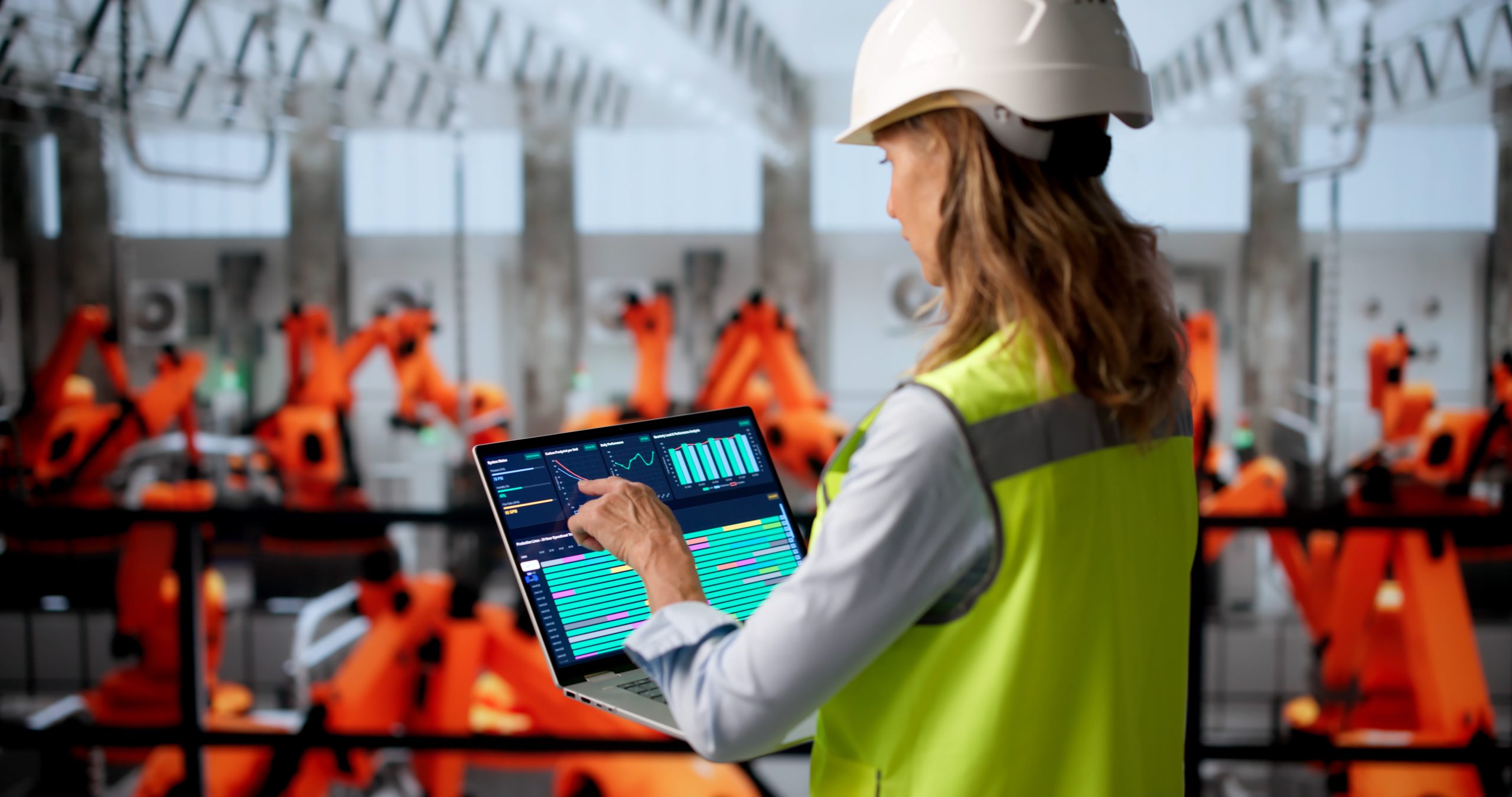
‘Rising Industry’ was the theme of Assolombarda‘s general meeting in Milan. ‘Industry at the Centre’ was the title of one of the debates at the Aspen Institute Italia’s annual ‘Seminar for Leaders’ in Venice. In other words, this is an analysis of the current crisis and a comparison of proposals to revitalise the industrial sector in Italy and Europe. It places manufacturing, along with all related activities, including logistics, finance, research and training, at the heart of economic policy.
These are difficult times due to intensifying geopolitical tensions and their consequences, starting with rising energy costs, and a radical shift in traditional trade patterns, driven by sovereignist and, in any case, protectionist measures. Meanwhile, the role of the dollar as the dominant currency in international trade is being undermined.
As a major manufacturing power, Europe is facing difficulties, starting with its two leading industrial nations, Germany and Italy, and affecting some of its key sectors, including automotive, steel, household appliances, mechanical engineering, mechatronics, chemicals and textiles, to name a few. The rising cost of oil and its derivatives, and consequently energy, is taking its toll (as evidenced by the protests of lorry drivers in southern Italy). Competition from China is also having an impact, exemplifying industrial and social dumping, and the closure of the US market is causing alarm amid rising tariffs and the threats and promises that characterise White House policies as it seeks to relocate new industrial set-ups from Europe to the US.
The crisis is not new; if anything, it is becoming increasingly serious due to the failure to define an EU political strategy. The Union has so far been unable to act as a cohesive entity on issues such as security, energy costs, joint investment in defence and new technologies, and the single financial market.
A cultured, democratic and socially responsible Europe is needed. But so far, it has been held back by the constraint of unanimous decision-making, bureaucratic barriers acting as internal tariffs, and the weakness of political leaders in major countries.
A Europe to be reformed and revitalised, therefore, precisely in the name of its own interests and values, of which industry is a fundamental pillar. This pillar would be strengthened by widespread economic democracy and a culture of industrial relations aimed at resolving conflicts and bridging income, social protection, gender and generational divides, and the digital skills and knowledge gap. To achieve this, it would suffice to implement the recommendations set out in the reports by the groups led by Mario Draghi and Enrico Letta, which were commissioned by the European Commission on competitiveness and the single financial market over a year ago.
That is why the talk in public discourse and debates within think tanks, associations, academic and cultural circles is of ‘Europe in spite of everything’, and of the urgent need for Brussels and the leading countries to make decisions on new governance and the strengthening of European policies. The opposition to raising individual states’ contribution to the EU budget from 1% to 1.2% of GDP reveals short-sighted nationalist politics, and shows that short-term interests are given precedence over the general interests and values of a Europe that is a major international political player.
To tackle these crises, a new industrial policy is therefore needed, both nationally and at the European level, to stimulate research, innovation, growth, and internationalisation trends across the three dimensions of international investment in Italy and Europe, exports by Italian companies, and their acquisitions and direct investments in the most dynamic markets. This would strengthen Europe’s presence among giants such as the US, China, and India, and underpin the strategic importance of its culture in the face of Big Tech’s pervasive dominance (a culture that uniquely combines democracy, the market, and the welfare state).
In short, what is needed is a broader vision of a virtuous synthesis, between industry, the service sector, the financial sector and the sectors involved in culture and education between business, schools and universities, in other words, to strengthen
Italy’s social and cultural soft power. This requires a critical awareness of the strengths and limitations of the country’s economic system, a network of relationships that ensures collaboration and supportive competition, and increasingly sophisticated human capital, which depends above all on the quality and quantity of education received, even beyond the traditional university years, in the spirit of lifelong learning. Unfortunately, Italy is increasingly lacking in this respect.
A better future for Italy and the EU lies in disseminating knowledge-based processes as a driving force for development and sustainable innovation, and industry continues to be the cornerstone of this.
(photo Getty Images)