
Pirelli in F1: Challenges and Successes – 1980s and 1990s Photos Go Online


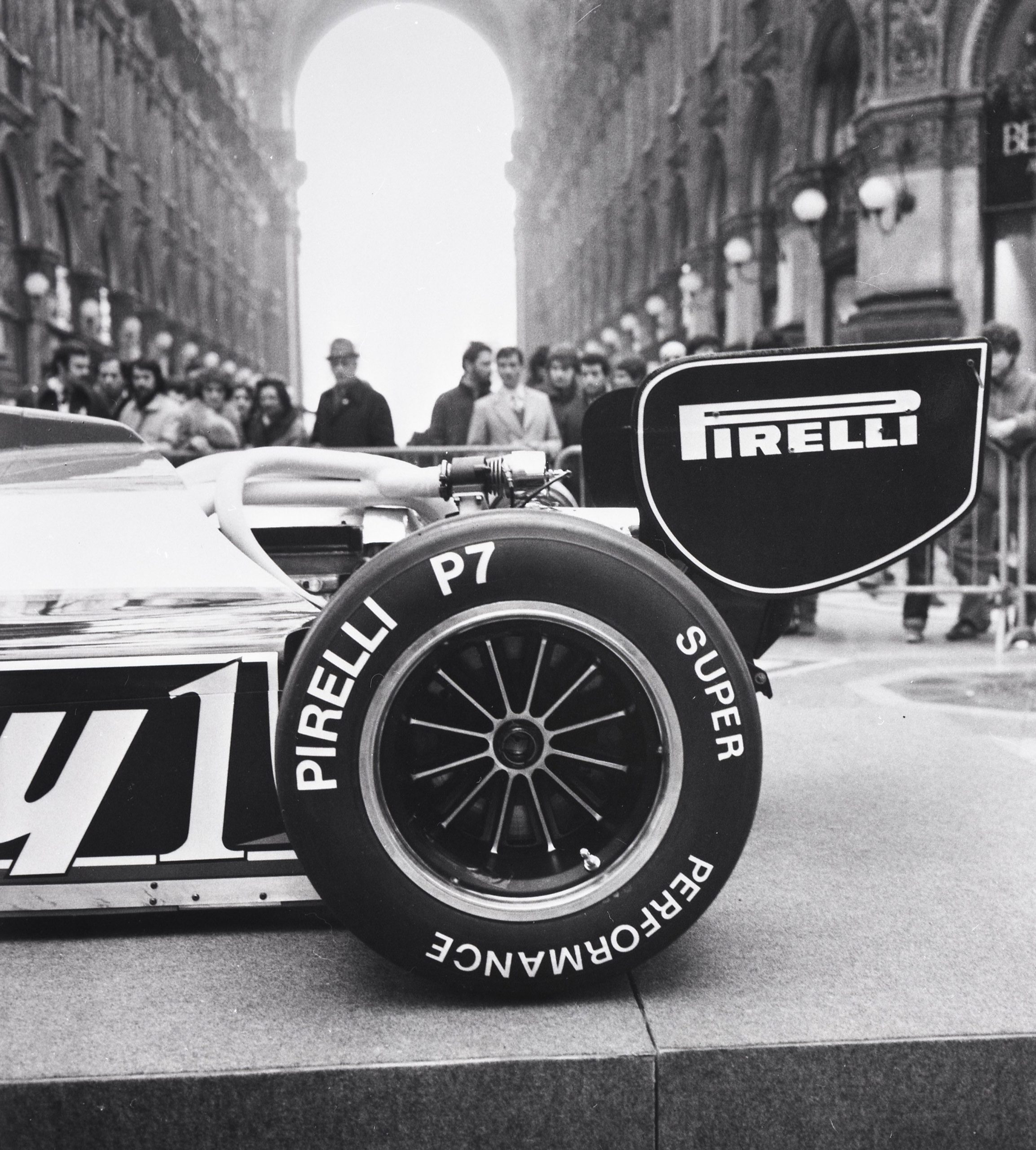
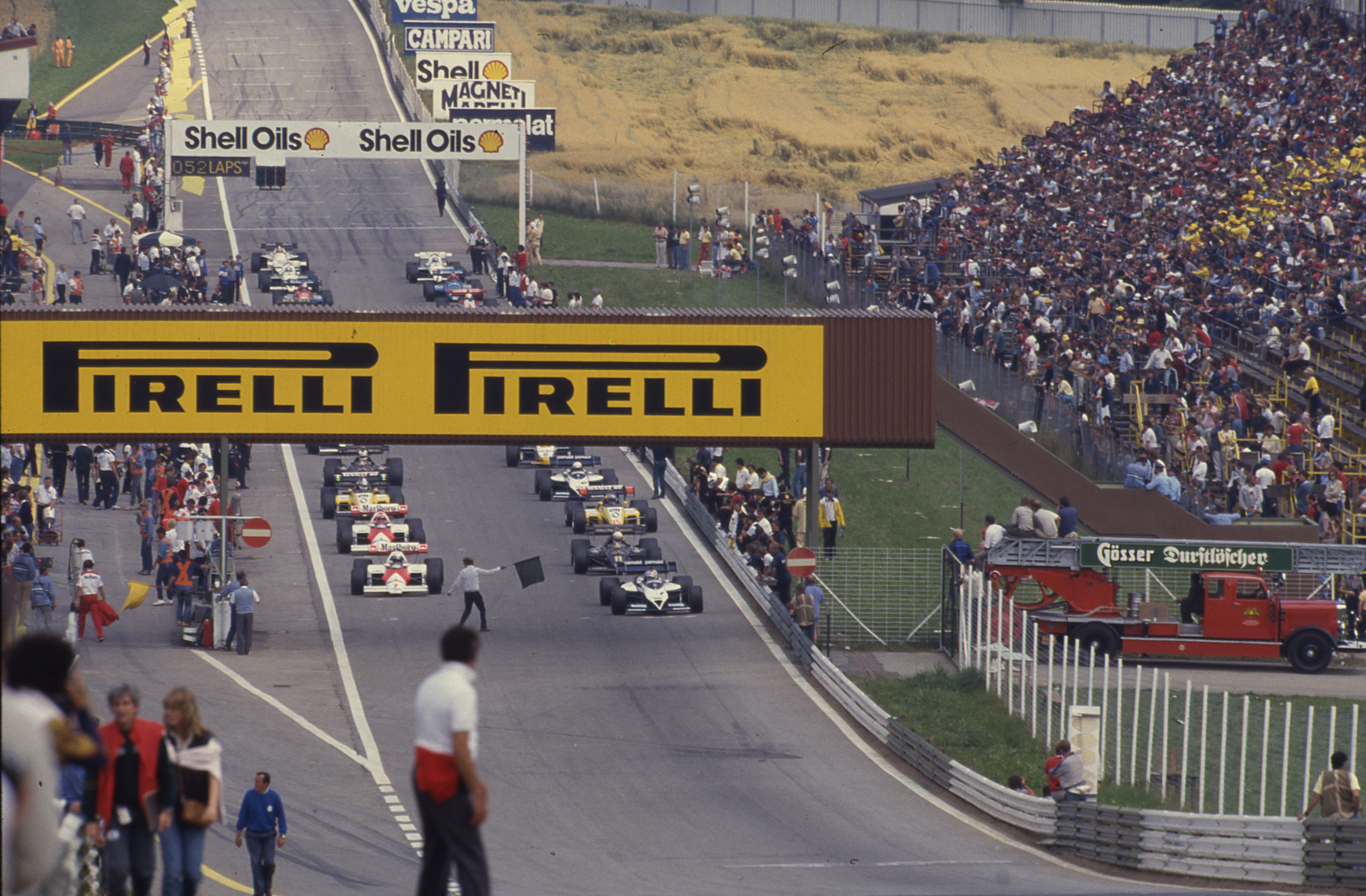
Formula 1 enjoyed one of its most exciting eras during the 1980s. It was a time of turbo engines, innovative aerodynamics, and increasingly global competition. In the middle of it all, Pirelli returned to the World Championship after being away since 1956. Taking on a huge technical challenge, the brand quickly worked its way back into top-tier racing. Photographs capturing this era are now on display in the online archive. They join images from Formula One racing in the 1950s and from all the other competitions in which Pirelli has featured since the early years of the twentieth century.
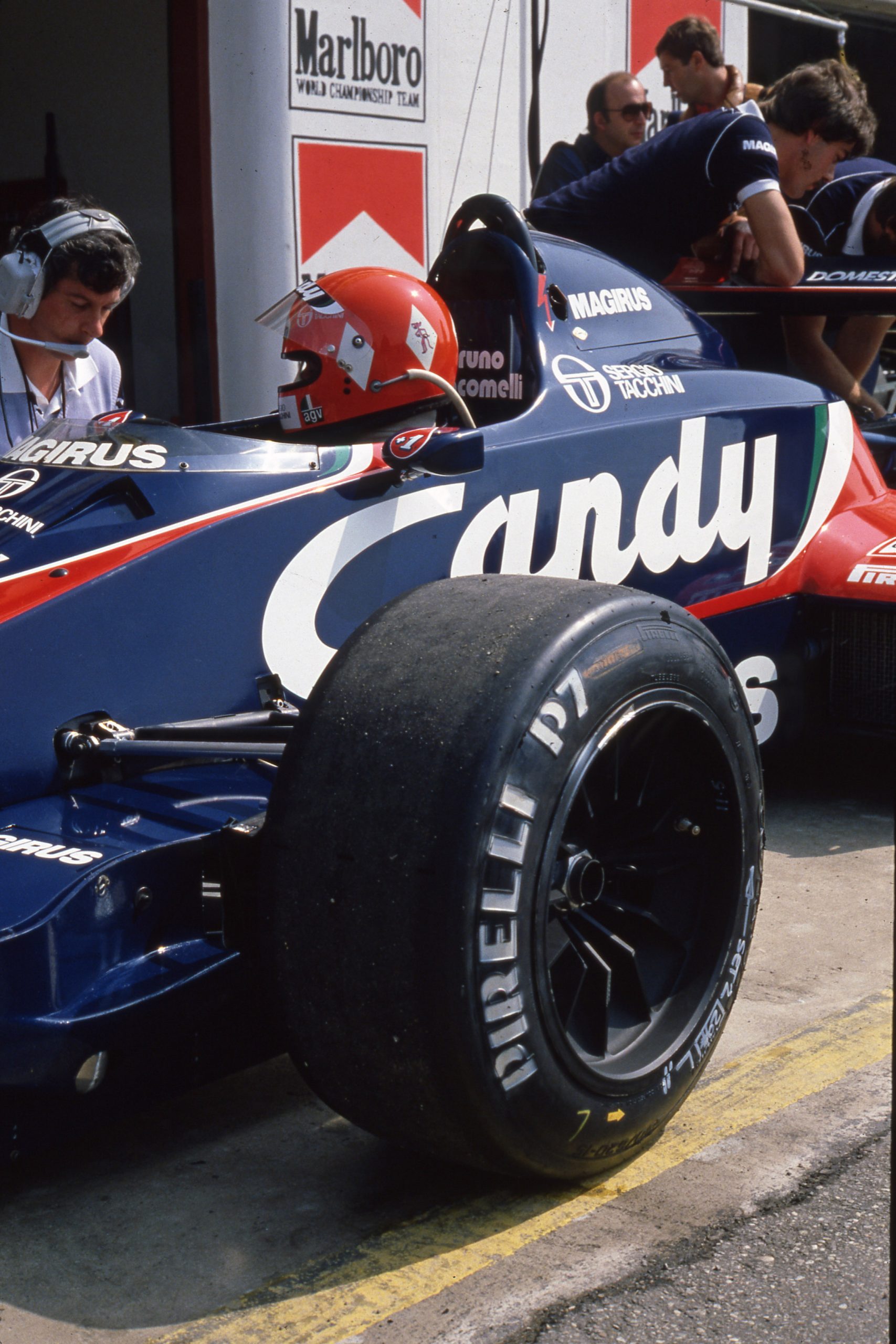
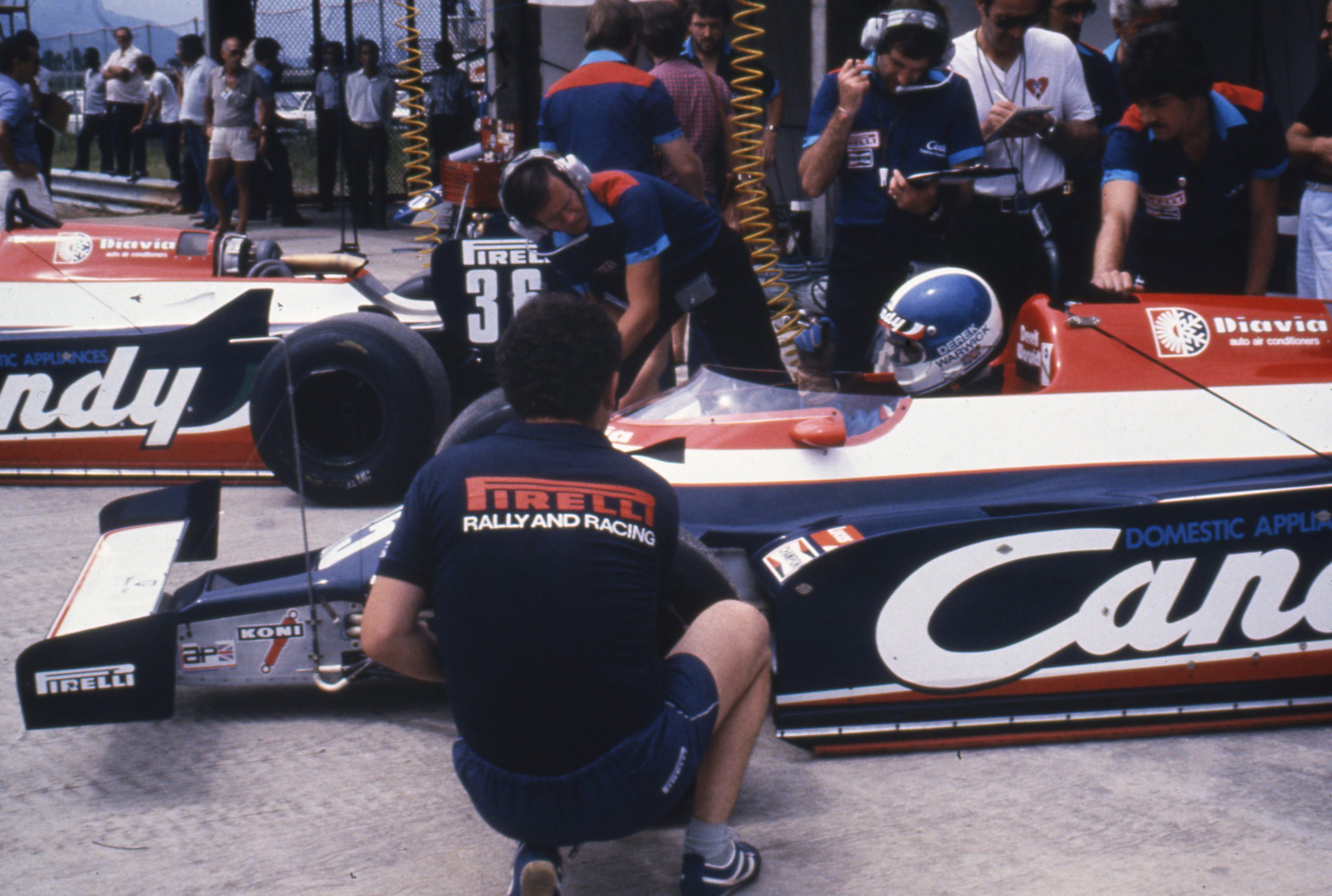
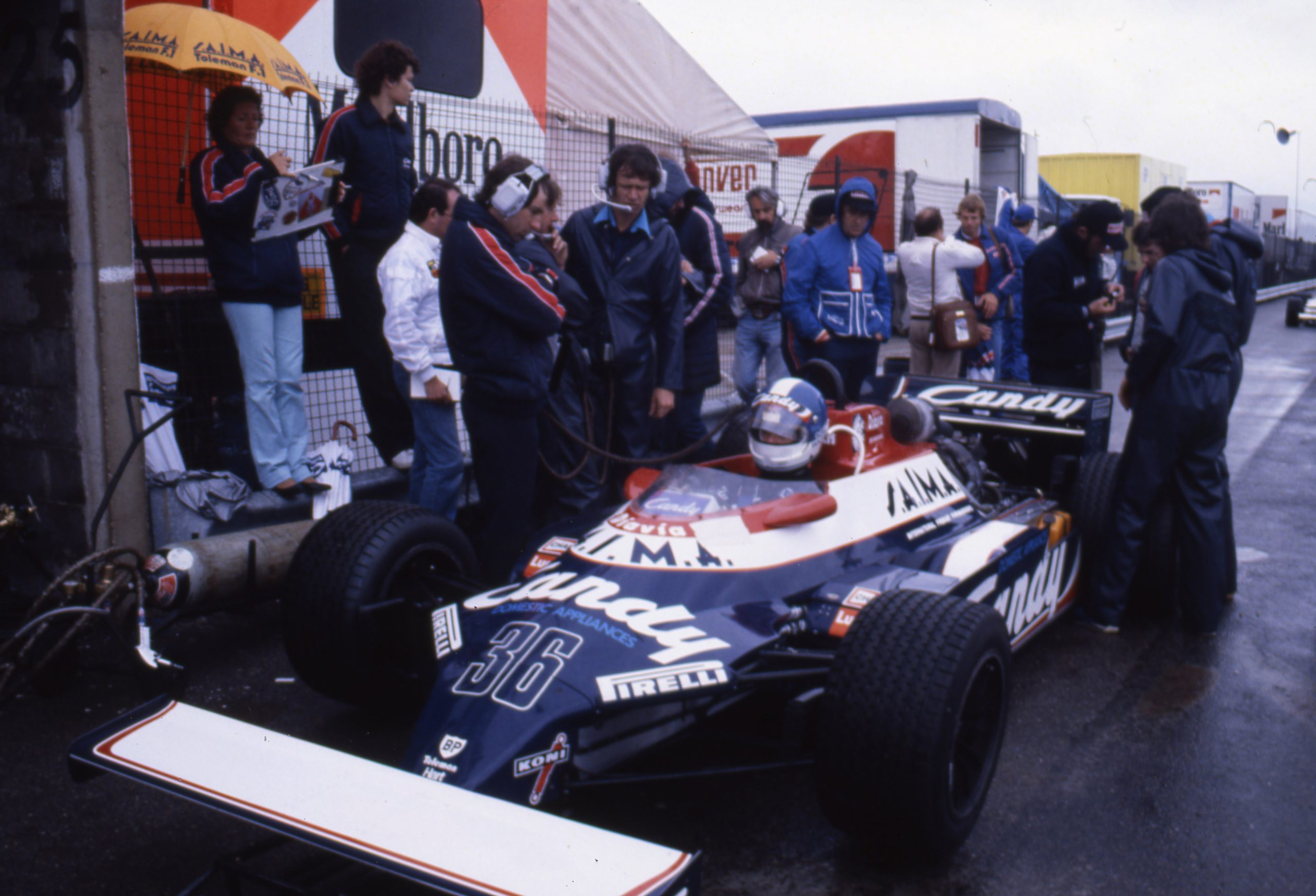
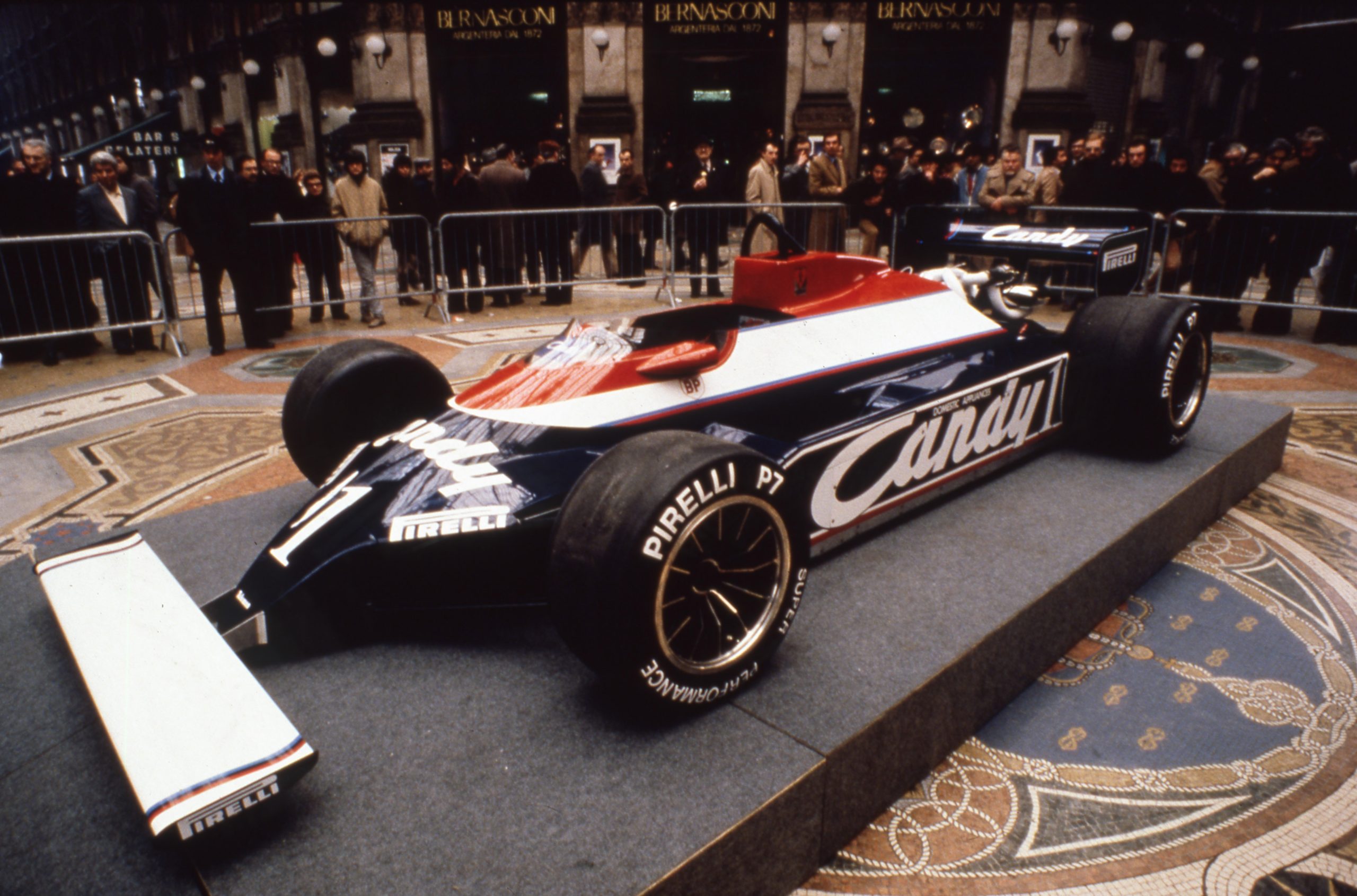
In 1981, the Toleman team decided to step up to F1 after sweeping the European Formula Two Championship with British drivers Derek Warwick and Brian Henton on Pirelli P7 radial tyres. The tyre maker was eager to join the British squad on this new adventure. The team made its debut on 3 May at the San Marino Grand Prix with the new TG181 single-seater. Powered by a Brian Hart monobloc turbo engine, it was designed by Rory Byrne in close collaboration with Pirelli to suit the performance characteristics of the P7 radials. “Asymmetric-profile radial tyres,” explained Mario Mezzanotte, head of motorsport at the Milan-based firm, in Fatti e Notizie, “in other words, with the inner shoulder rounder than the outer one […] in order to give the car better handling and stronger grip on the tarmac.” For Pirelli, this marked the start of a tough new challenge and a complex period of experimentation after so many years away.
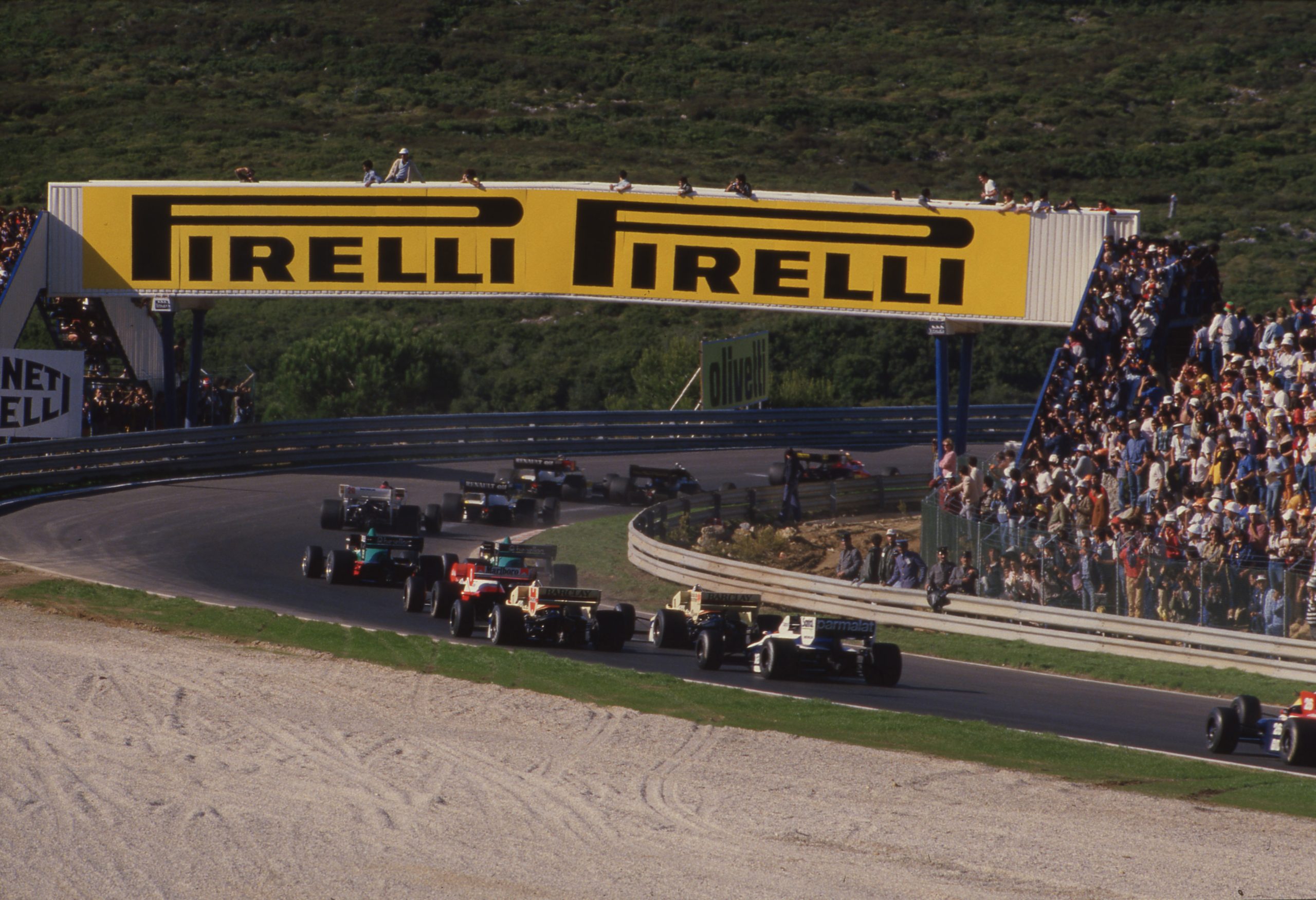
The “Long-P” brand also expanded its ties to the Arrows team (with drivers Riccardo Patrese and Siegfried Stohr) and to Fittipaldi (with Keke Rosberg and Chico Serra). On 13 September 1981, after an absence of 24 years, Pirelli tyres were back racing on the legendary Monza circuit. Both Patrese’s Arrows and Henton’s Toleman qualified. It was Toleman’s first time on the grid. They managed to unleash the full power of their new turbo engine and see the race through to the finish, whereas Patrese had to retire with mechanical trouble. Though the year ended without significant results, Pirelli tyres proved they could hold their own, responding brilliantly to the cars’ 500-horsepower output.
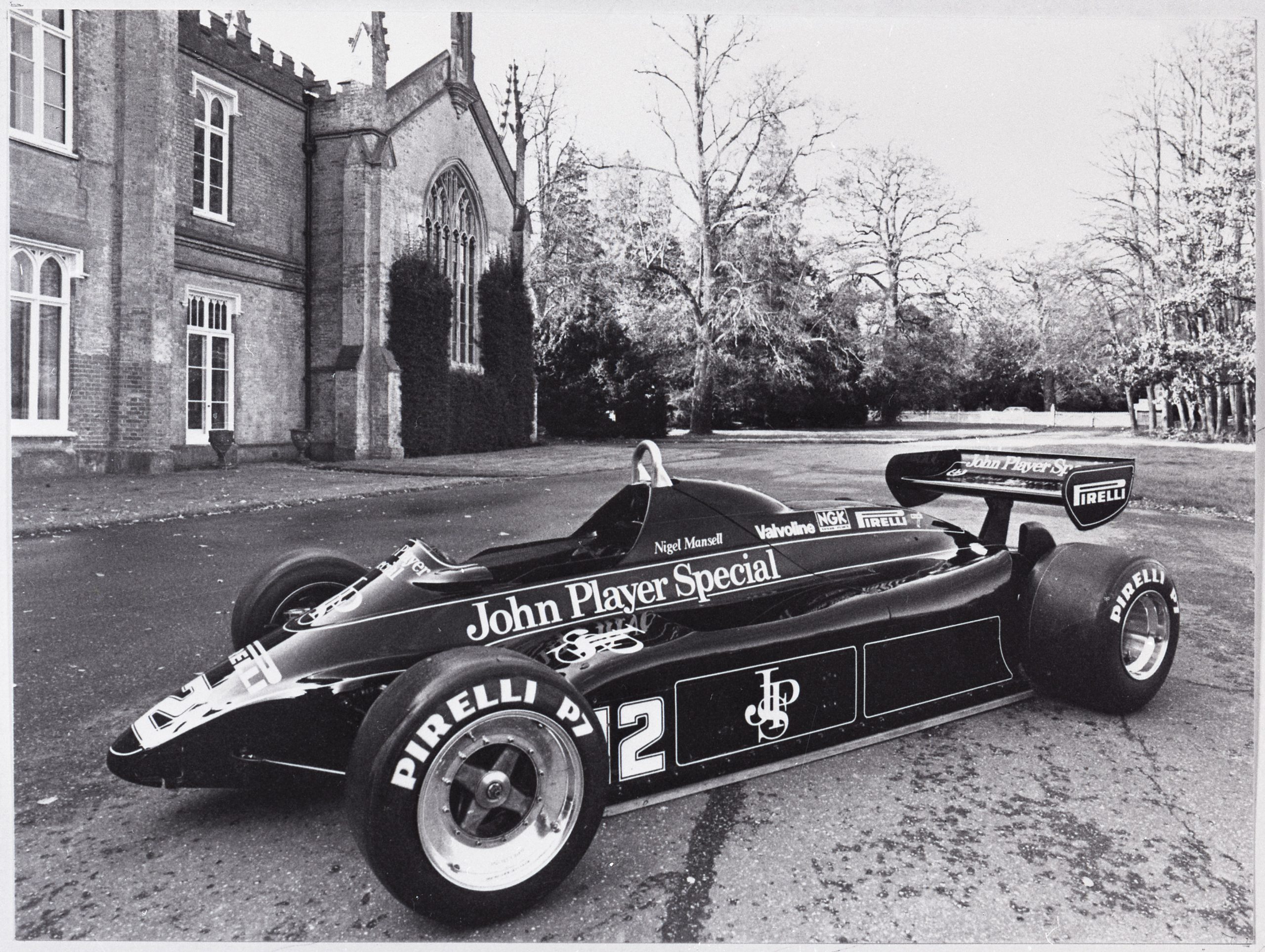
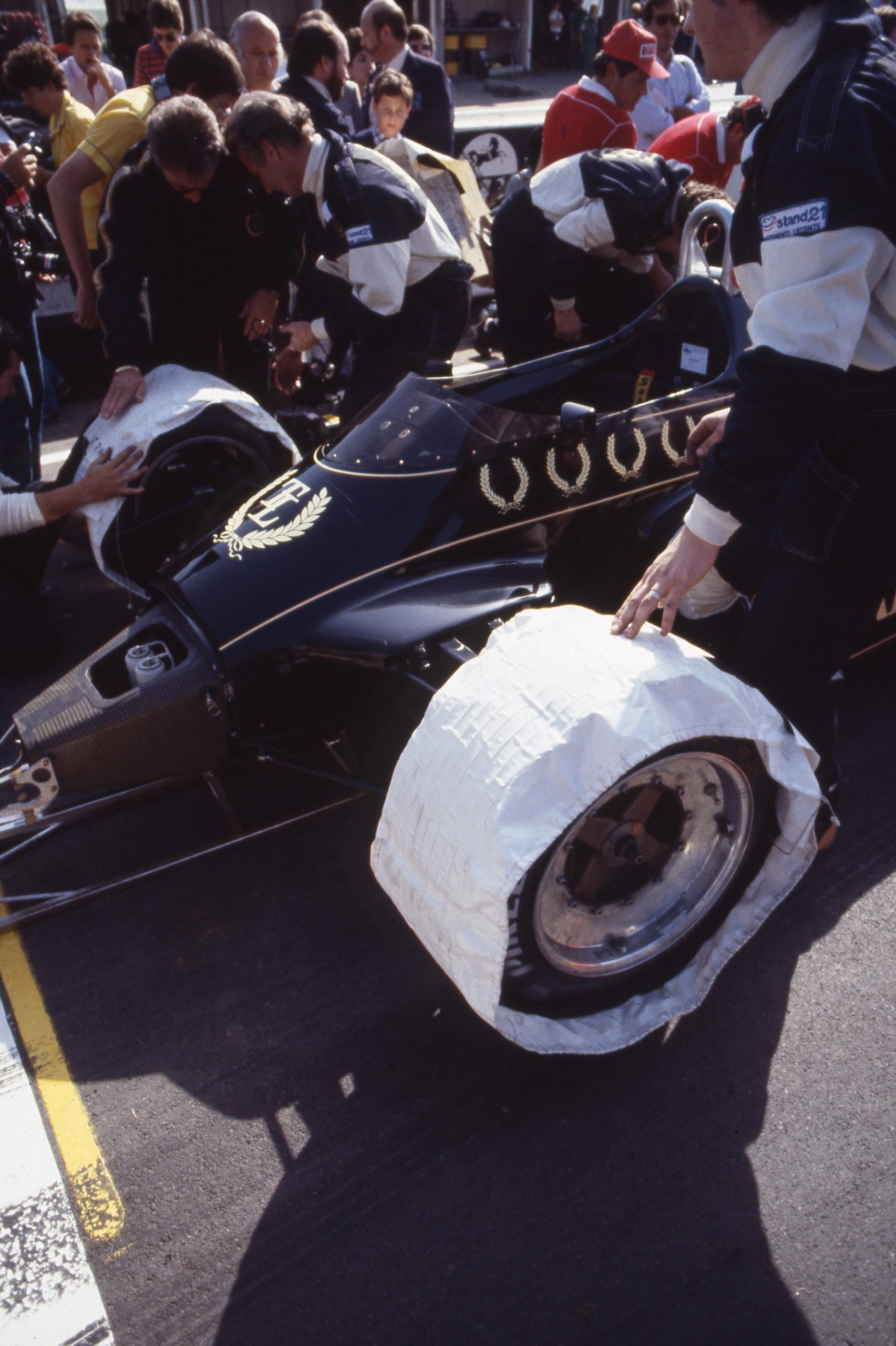
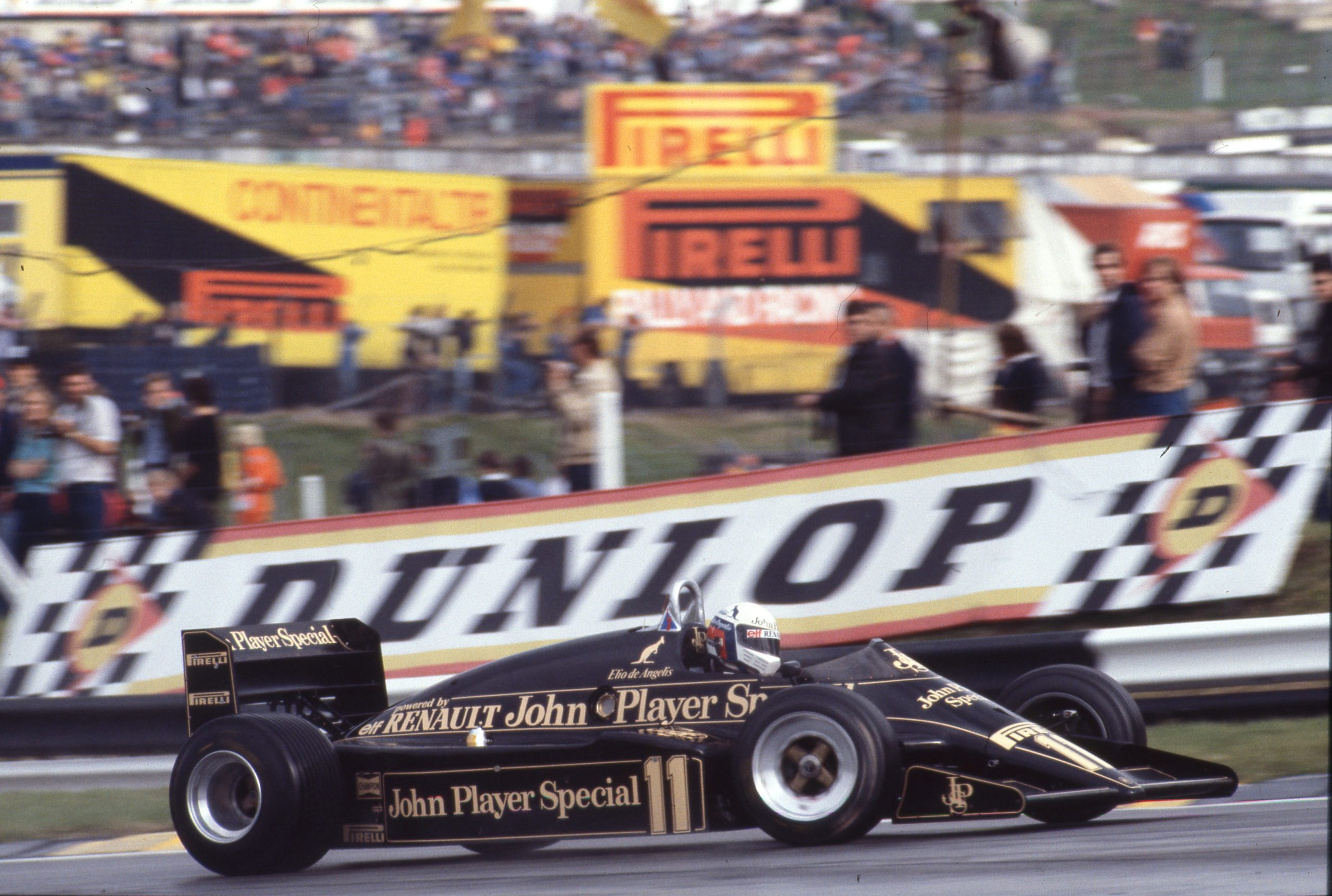
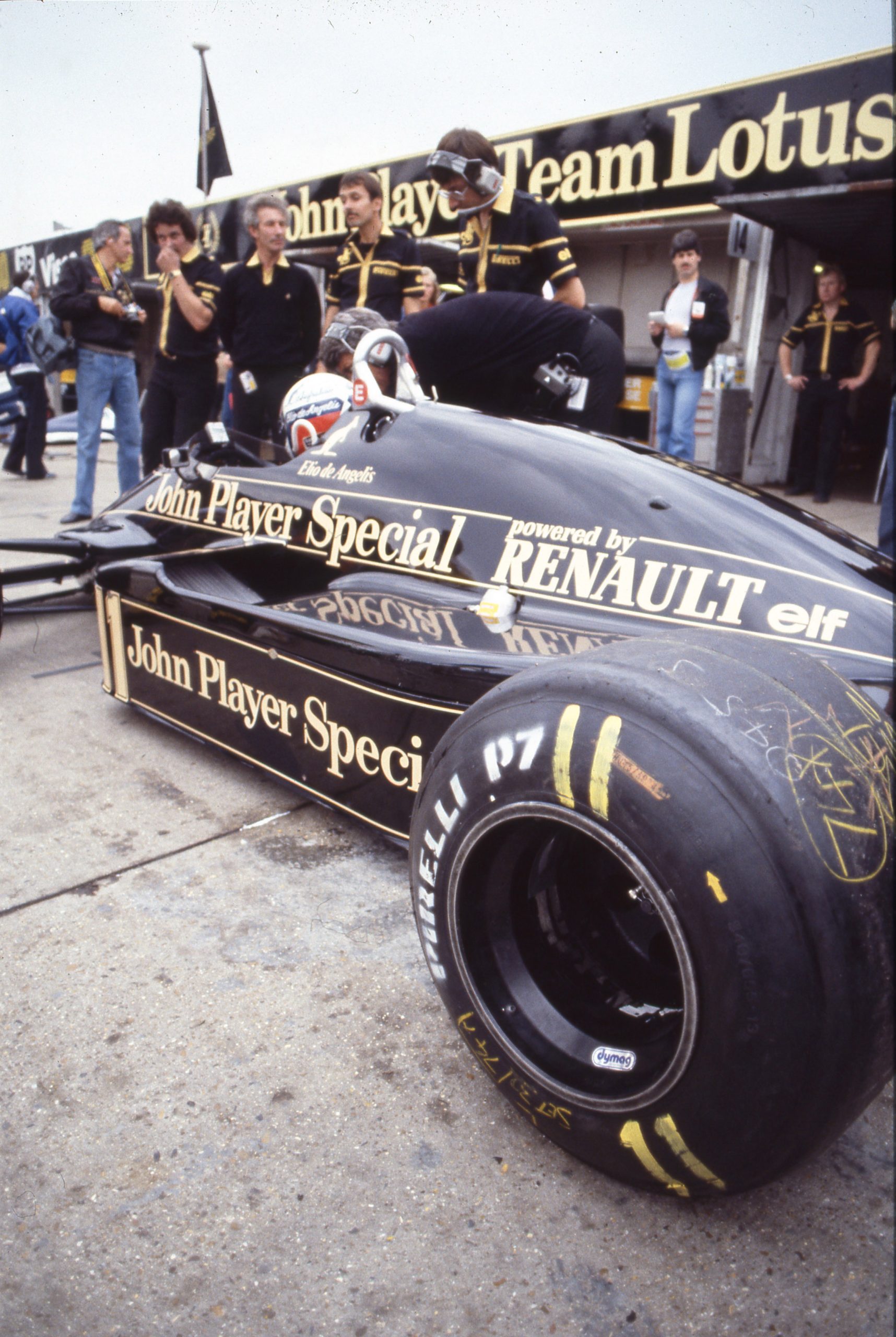
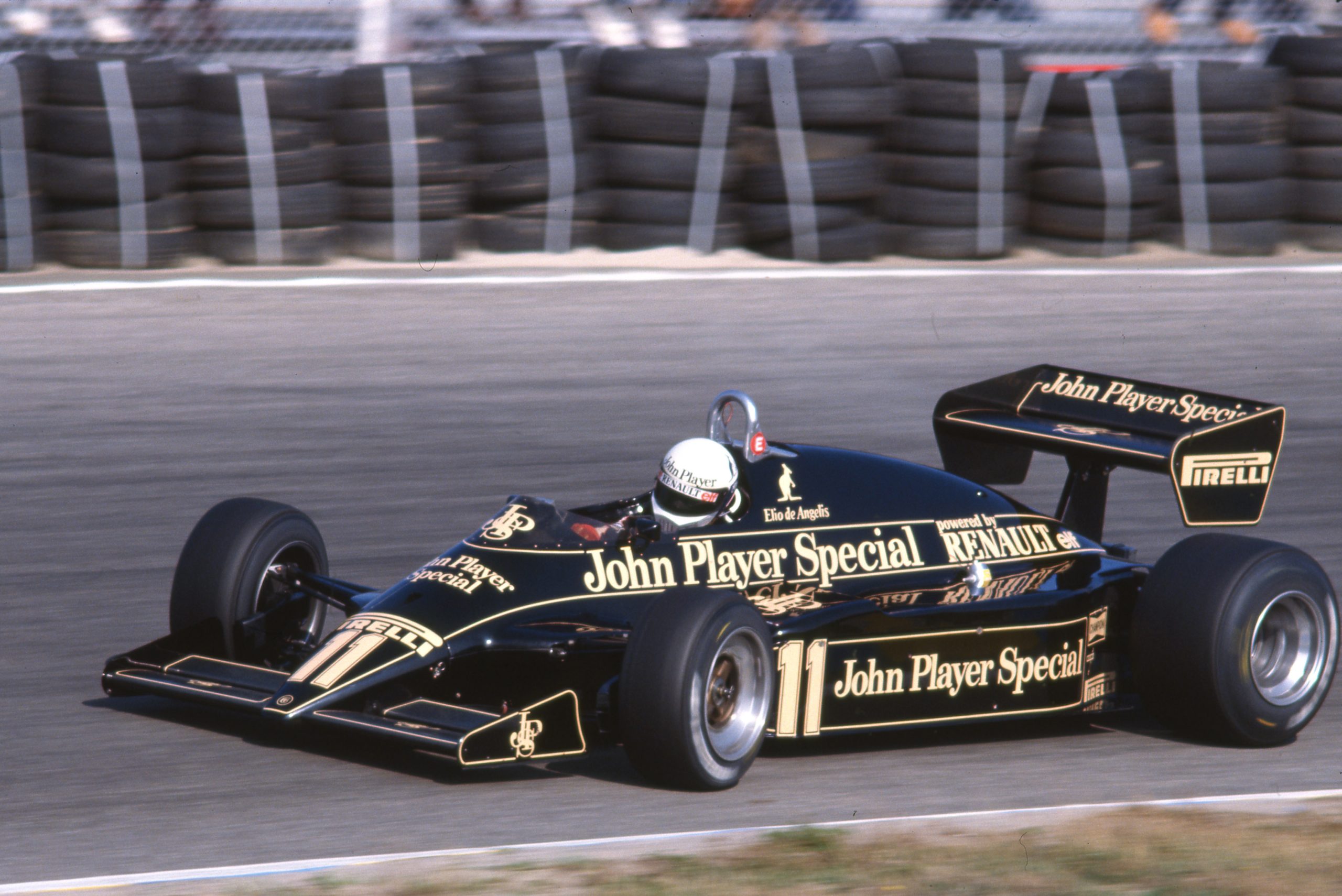
Pirelli focused on building up further experience in 1982 to refine its F1 tyre technology. To do this, it expanded its reach to five teams, adding Osella from Italy and March from Britain. Once again, these were “junior” teams but they were ideal for further testing ahead of a bid for a winning team the following year. In late 1982 came the big news: Pirelli and Lotus would run two cars in the 1983 World Championship. One had a Renault V6 turbo engine and was driven by Elio De Angelis, while the other had an eight-cylinder Cosworth and was driven by Nigel Mansell. Mario Mezzanotte stated, “After eighteen months of work with various teams, we feel we’re ready to partner with a top-flight team.” Results were not long in coming. Mansell took fourth place at Silverstone, while De Angelis grabbed pole position and Mansell finished third at the European GP at Brands Hatch. Pirelli also made waves at this GP thanks to a clever trick by its technicians. The Pirelli-shod cars lined up on the track with their tyres wrapped in tyre warmers – a stratagem used to heat up the rubber without relying on warming weaves during the formation lap.
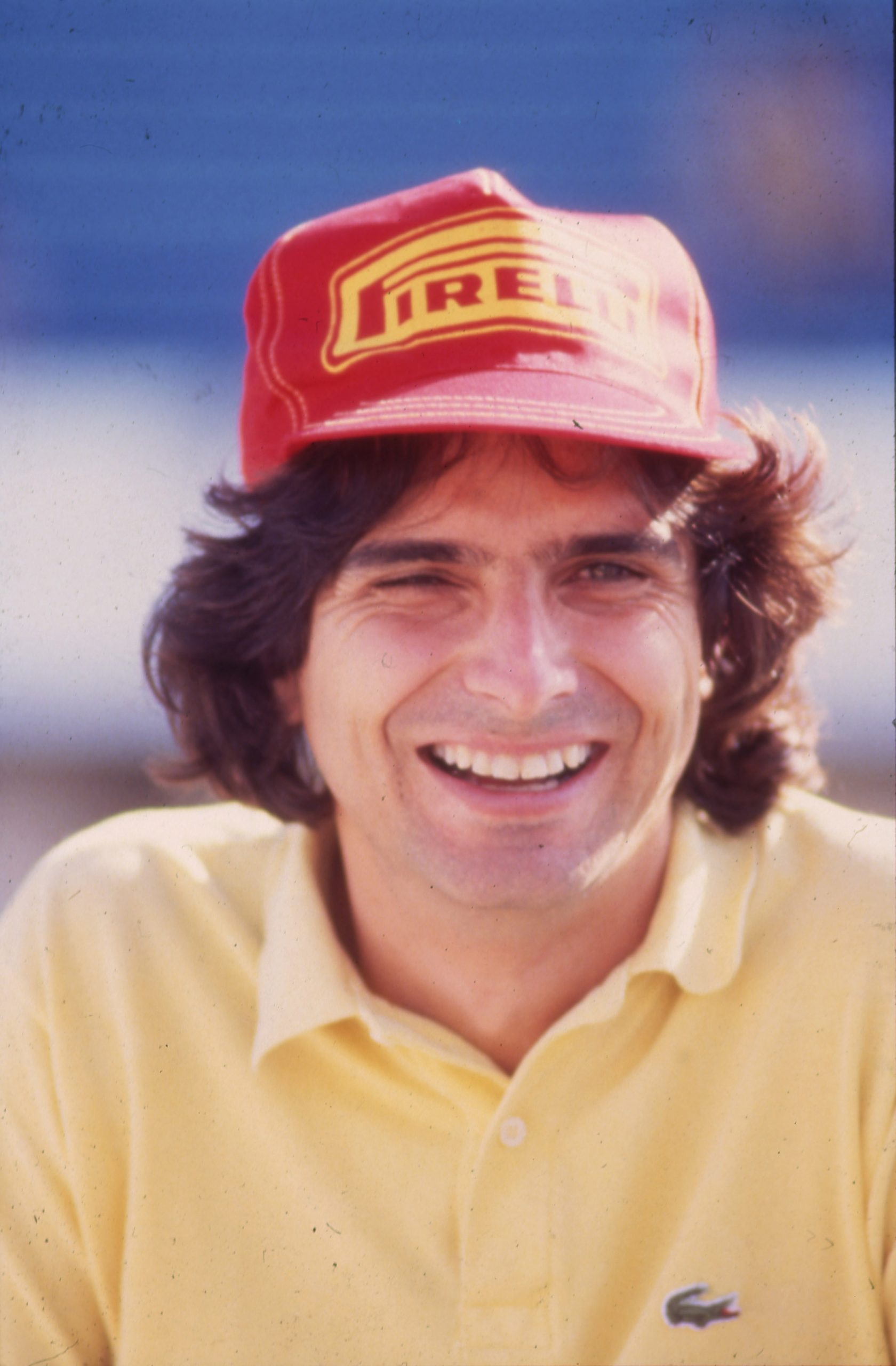
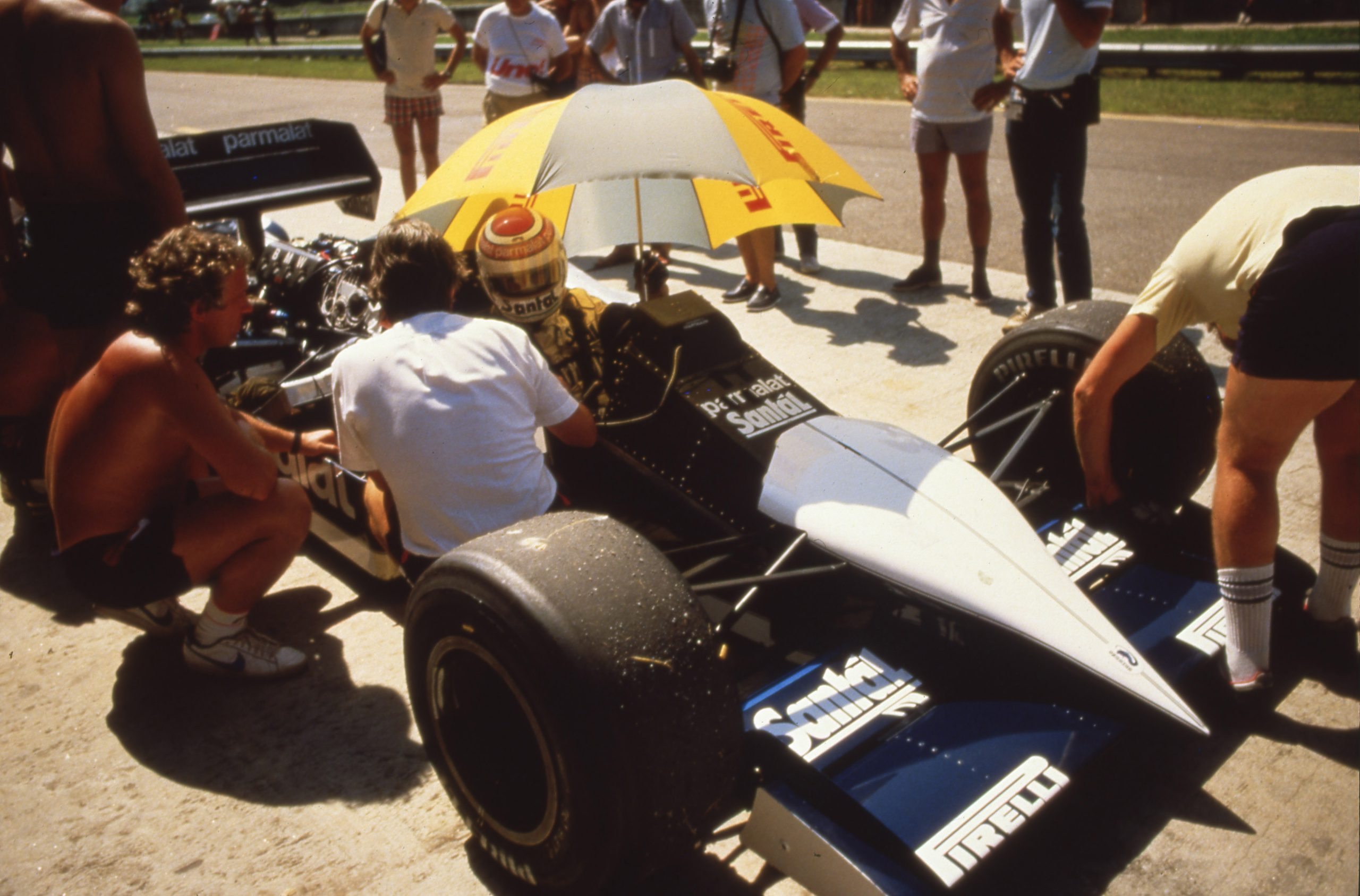
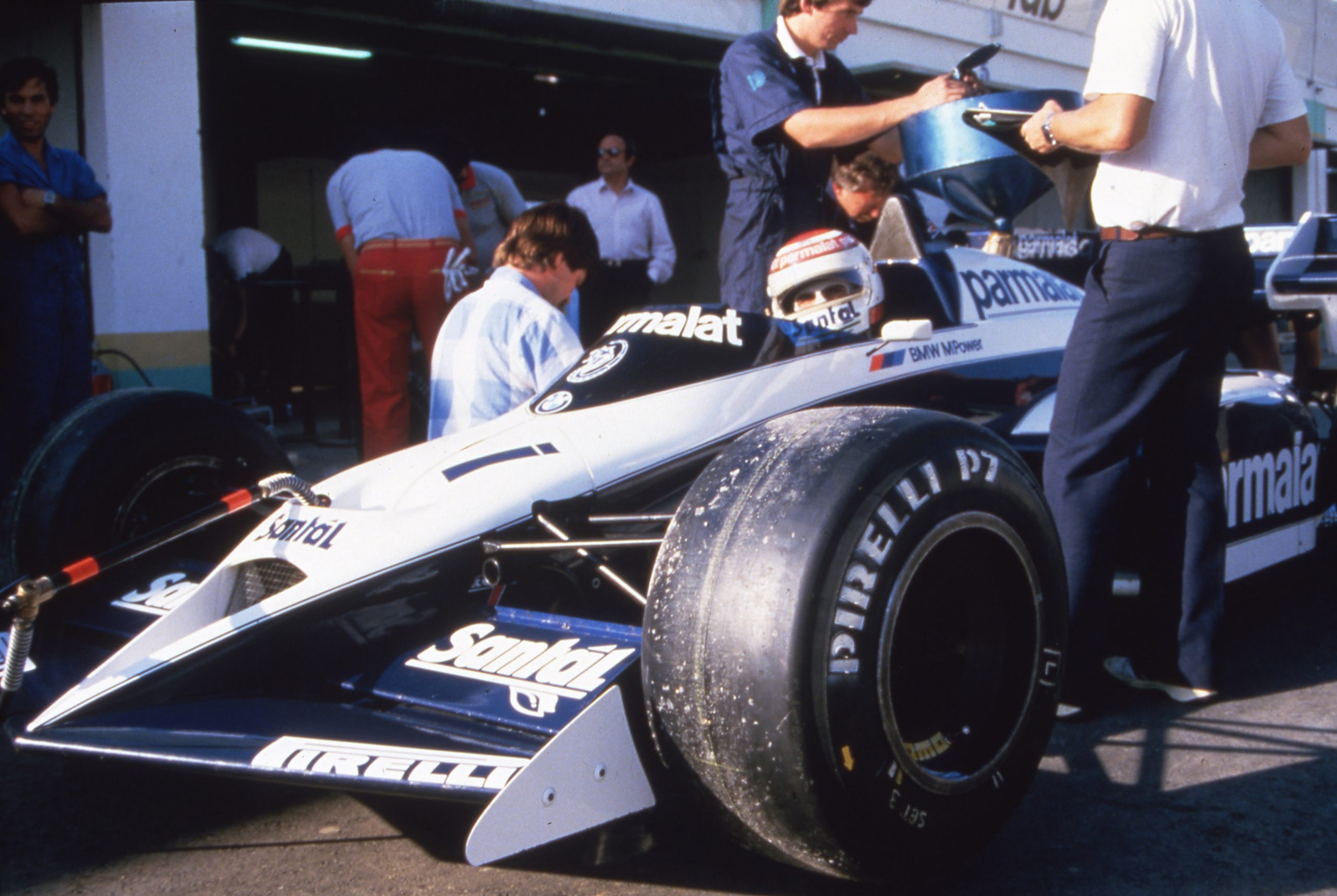
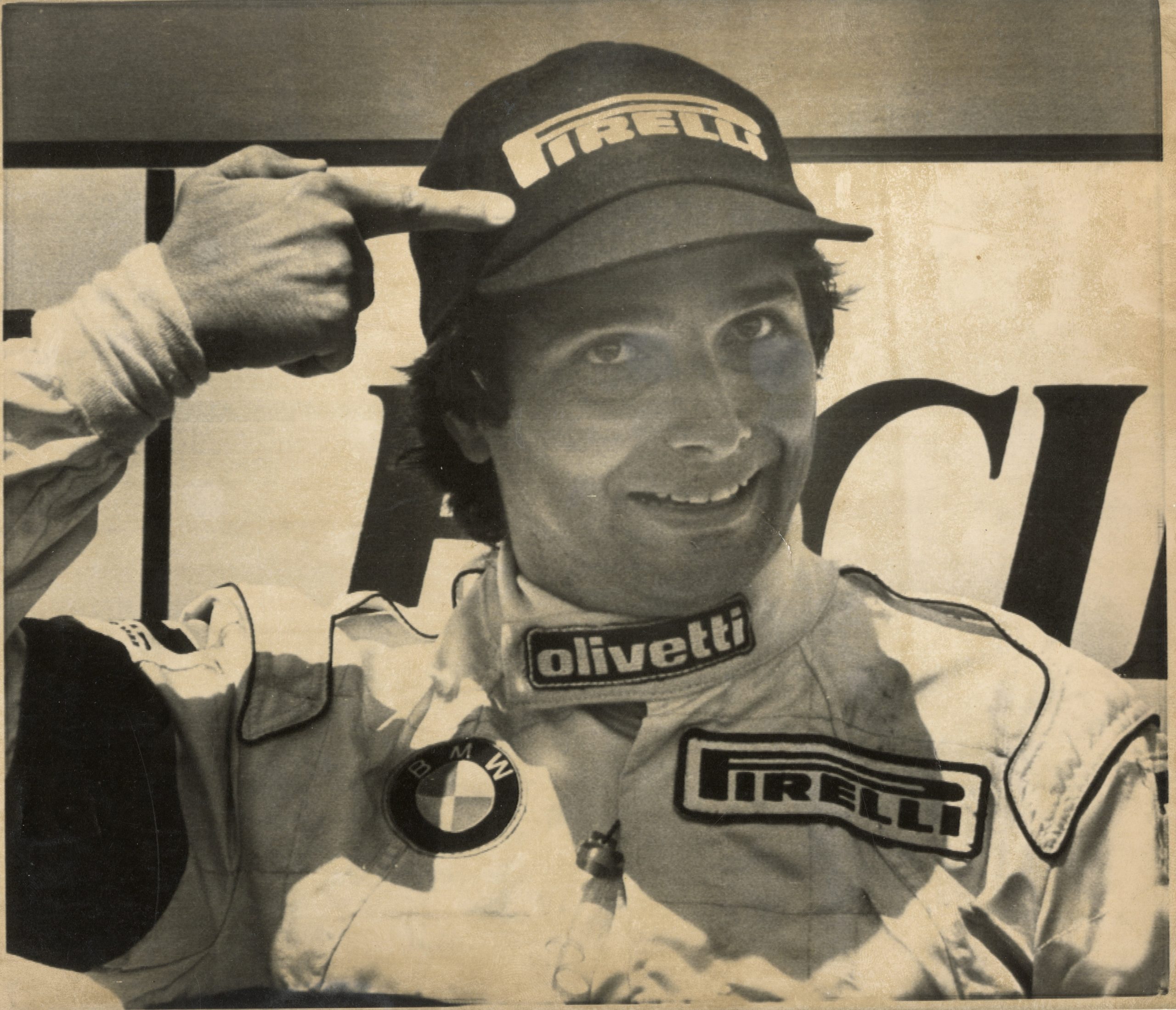
Victory came again a couple of years later, in 1985, with a truly outstanding combination: the Brabham BT54 designed by Gordon Murray, with a BMW turbo engine (generally agreed to be the most powerful of all in Formula 1 at the time), a star driver, Nelson Piquet, and Pirelli tyre technology. The tyres had been fine-tuned during gruelling tests in South Africa by a group of engineers led by Mario Mezzanotte, Gianni Turchetti, and Felice Reina. Pirelli’s radials were a decisive factor in ensuring Piquet’s win on the searing track at Le Castellet in France. On the top step of the podium, the Brazilian driver paid tribute by pointing straight to the “Pirelli” logo on his cap.
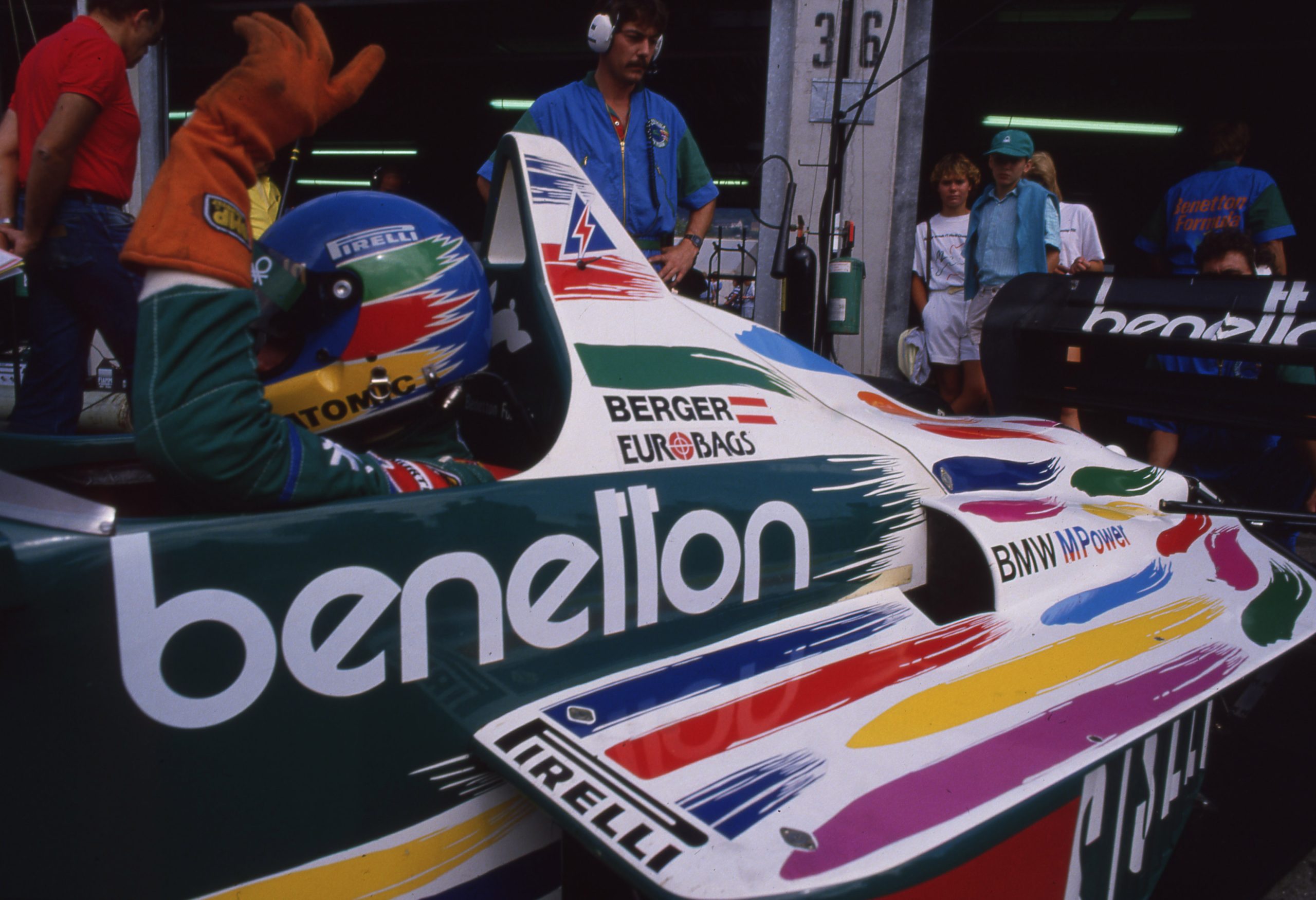
The 1986 season was the moment when Pirelli’s initial return to F1 reached its peak, with no fewer than seven teams backed by the manufacturer. Three were front-runners: Bernie Ecclestone’s Brabham-BMW, the former Toleman team bought by Benetton (running new BMW engines with the drivers Teo Fabi and Gerhard Berger), and Ligier-Renault with Jacques Laffite and René Arnoux. Another victory followed when Gerhard Berger took first place at the Mexican GP.
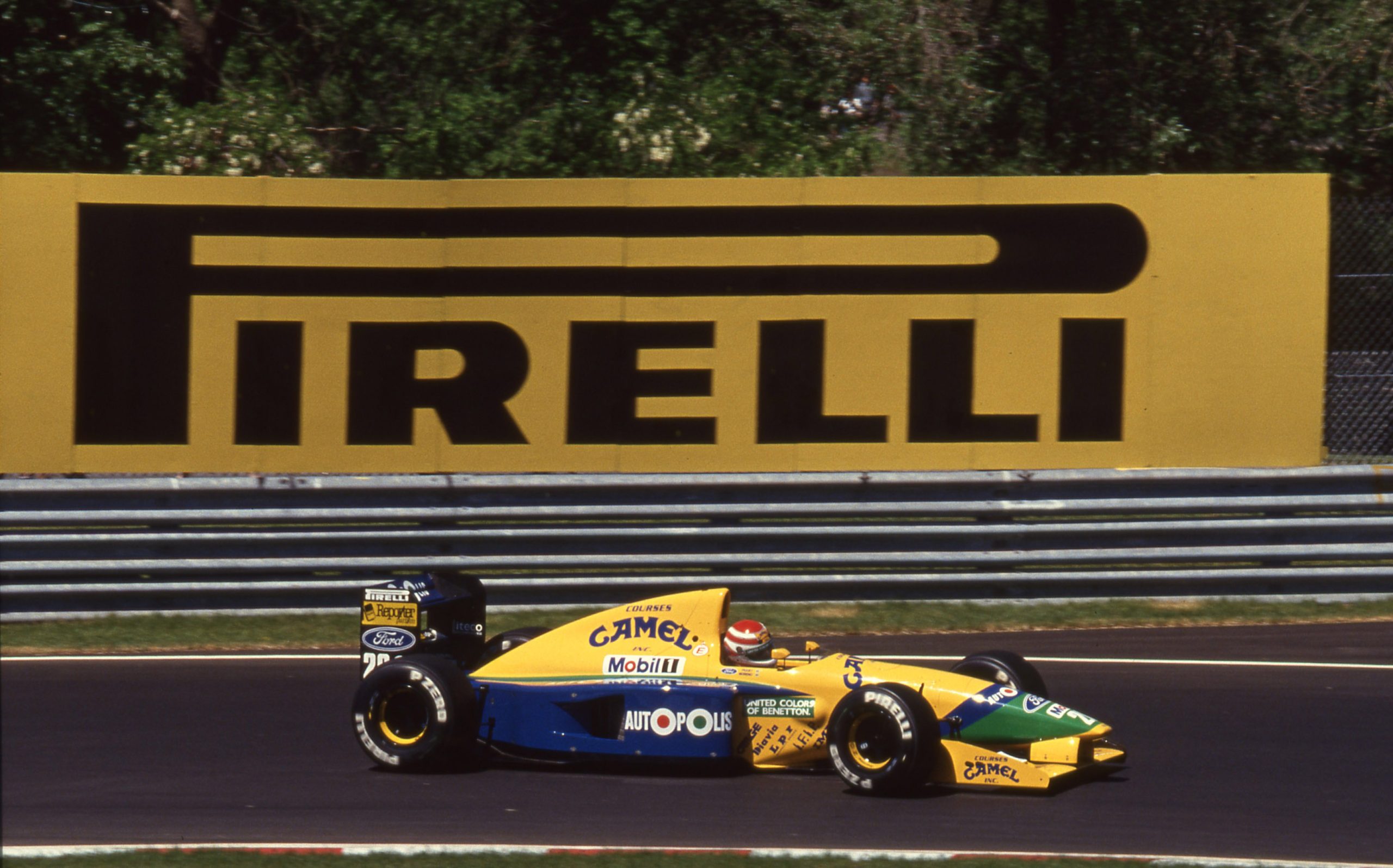
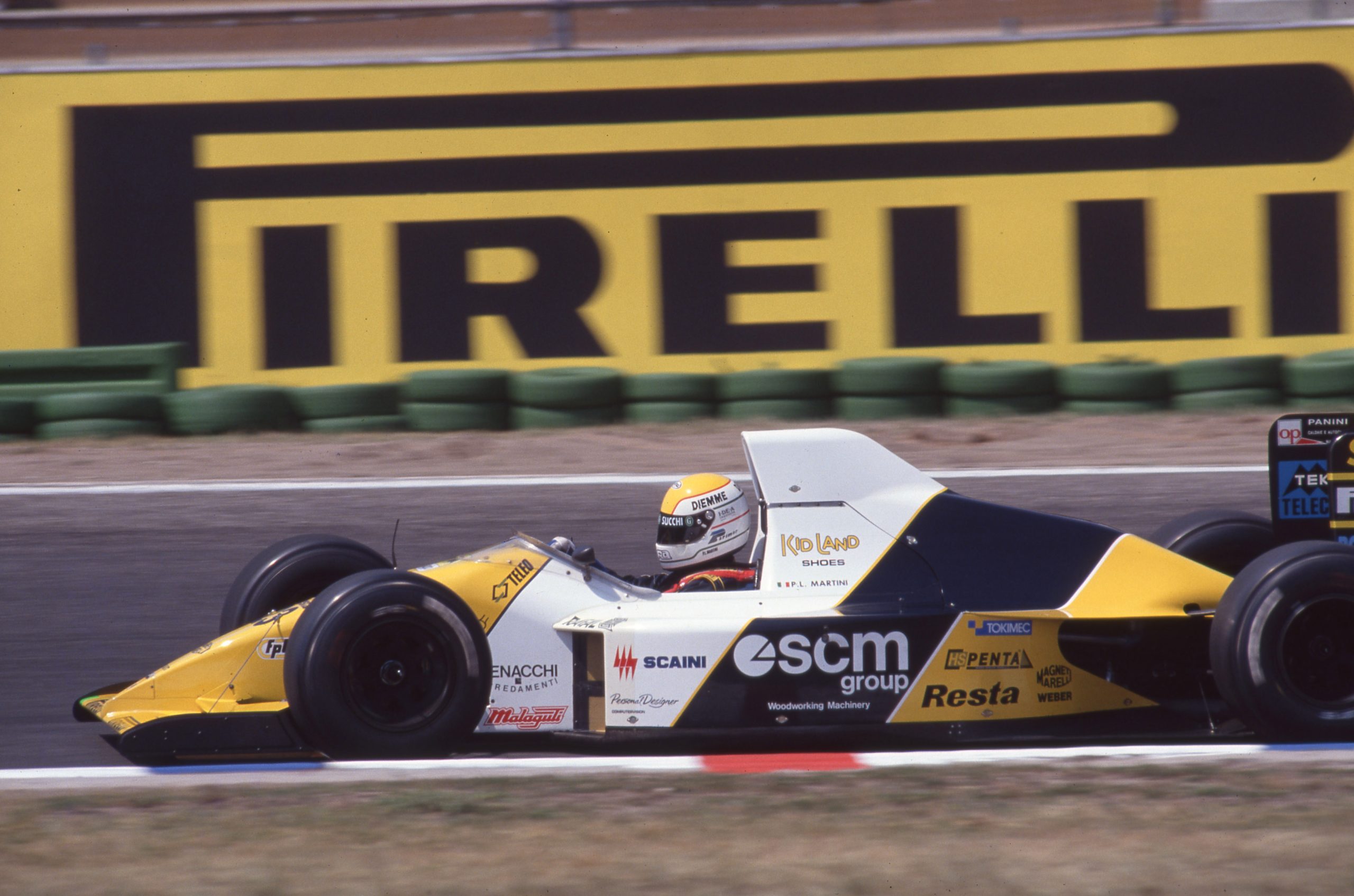
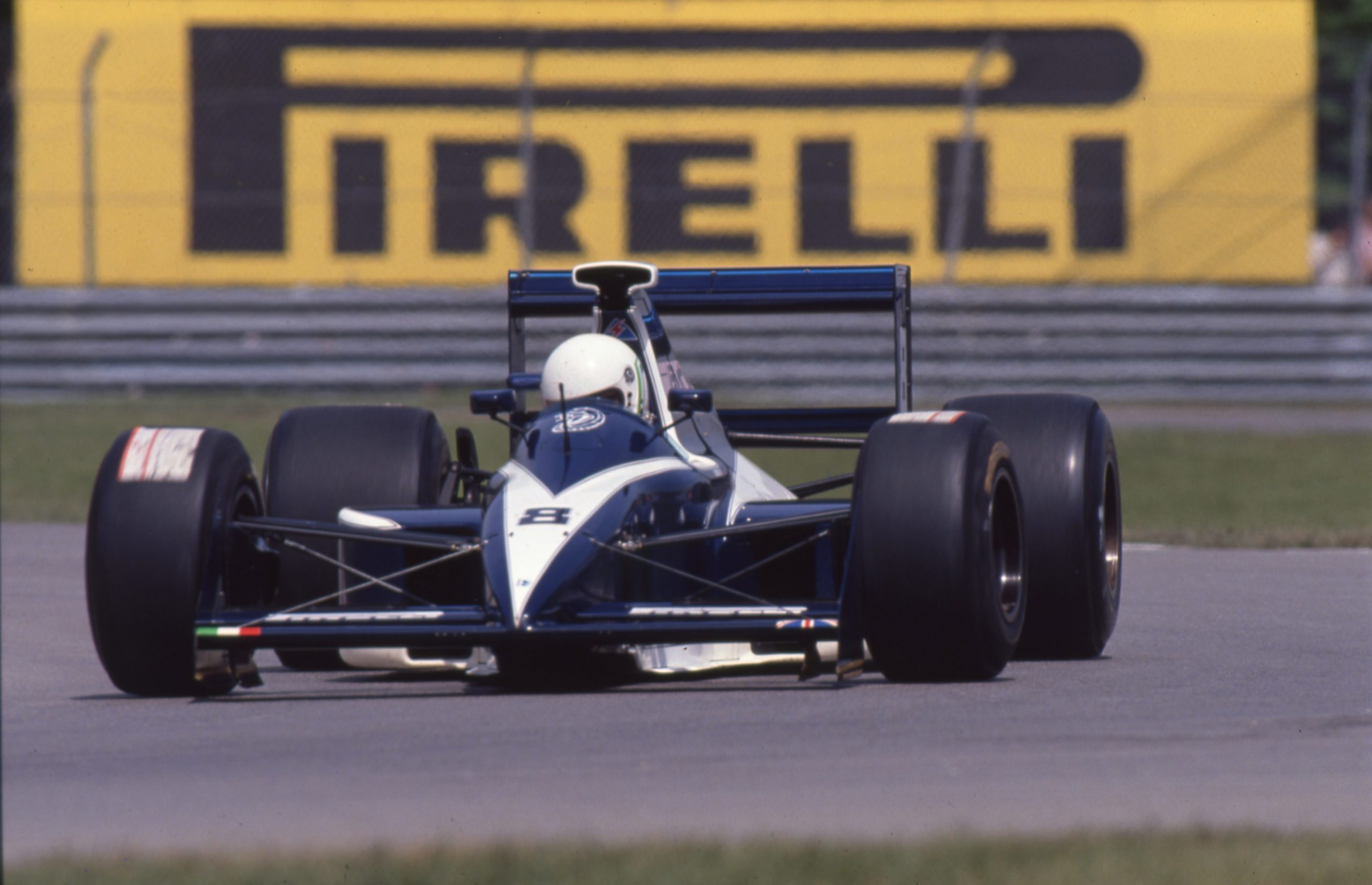
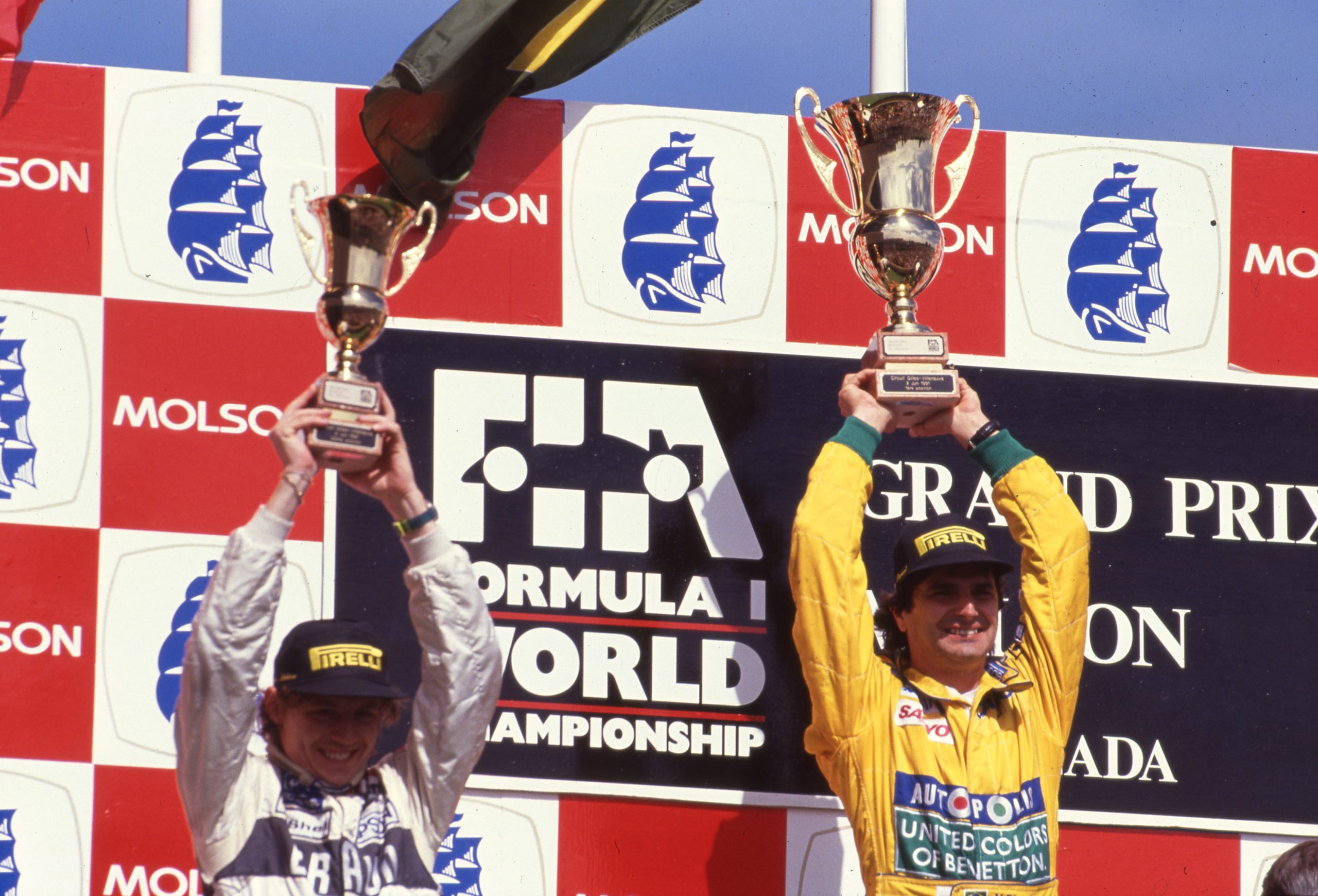
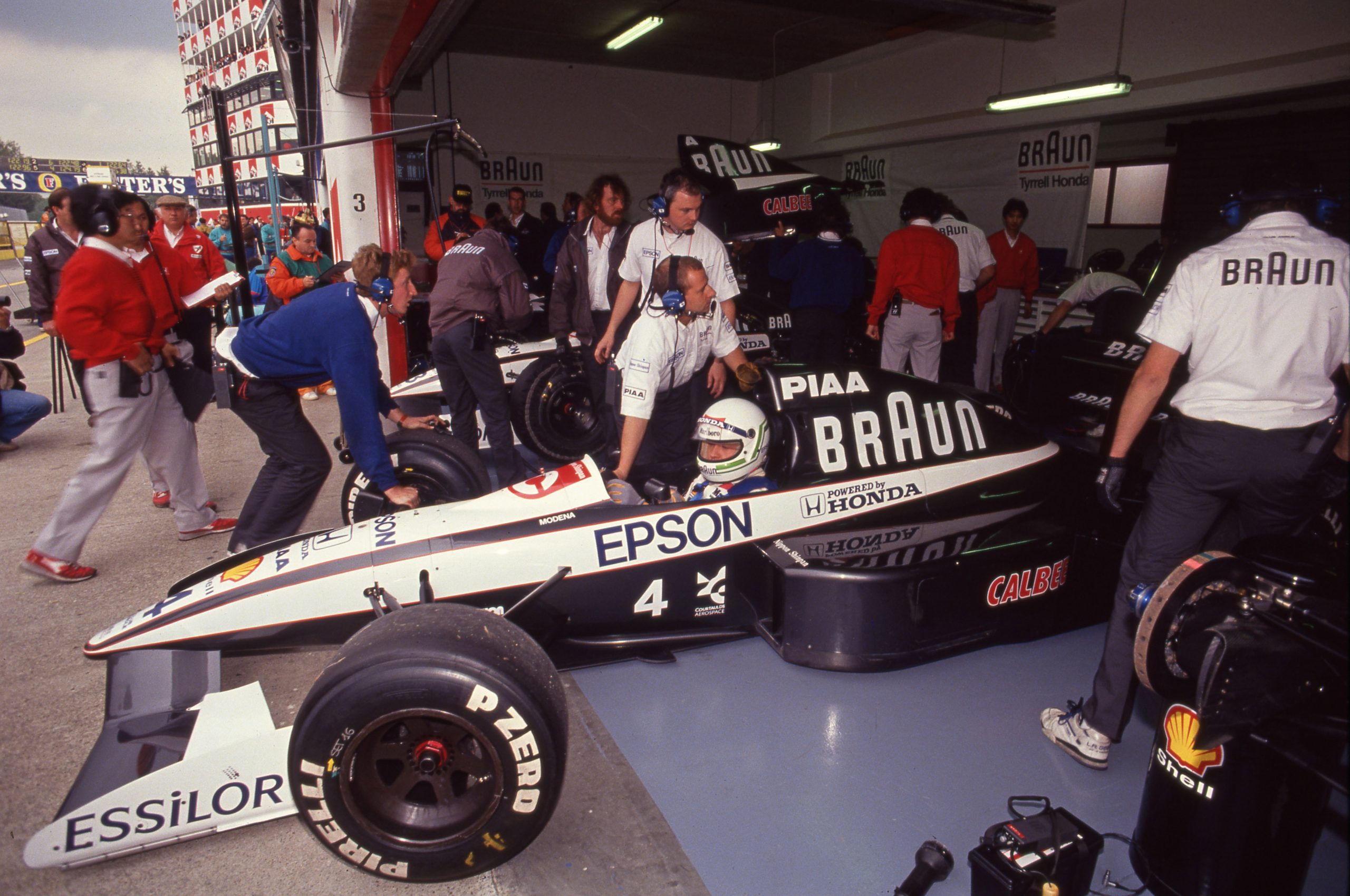
After a two-season break, Pirelli returned to Formula 1 in 1989, starting a new chapter in its participation in the Championship. Things had changed a great deal: turbo engines were banned, and F1 was stepping into the modern era. Pirelli became the main supplier for rising independent teams such as Minardi, Dallara, and Zakspeed, while maintaining long-standing partnerships like the one with Brabham. Two third-place finishes followed: Stefano Modena driving for Brabham at the Monaco GP and Andrea De Cesaris for Dallara at the Canadian GP. In 1990, Pirelli struck a deal with British team Tyrrell, where rising star Jean Alesi earned two impressive second-place finishes in the US and Monaco GPs. As though closing the loop in 1991, Pirelli partnered with Nelson Piquet’s Benetton-Ford. This renewed a historic bond between the tyre company and the British team that had started out together on this new F1 adventure back in 1981. One of the greatest highlights of Pirelli’s final year in the World Championship – before its return as sole supplier in 2011 – was a 1-2 finish for the company on the top steps of the podium with Nelson Piquet driving for Brabham and Stefano Modena for Tyrrell at the Canadian Grand Prix.
The history of Pirelli in Formula 1 between 1981 and 1986 and between 1989 and 1991 is therefore a story that goes far beyond the supply of technical products. It is a tale of relentless research and experimentation, of taking on the toughest challenges in motorsport, and of building a legacy of innovation that has continued ever since. The photos preserved by the Pirelli Foundation bring a unique era back to life – an age of turbo engines, racing champions, and tyres that helped write some of the most thrilling chapters in the history of Formula One.