
Alfredo Binda and the Gran Premio Pirelli


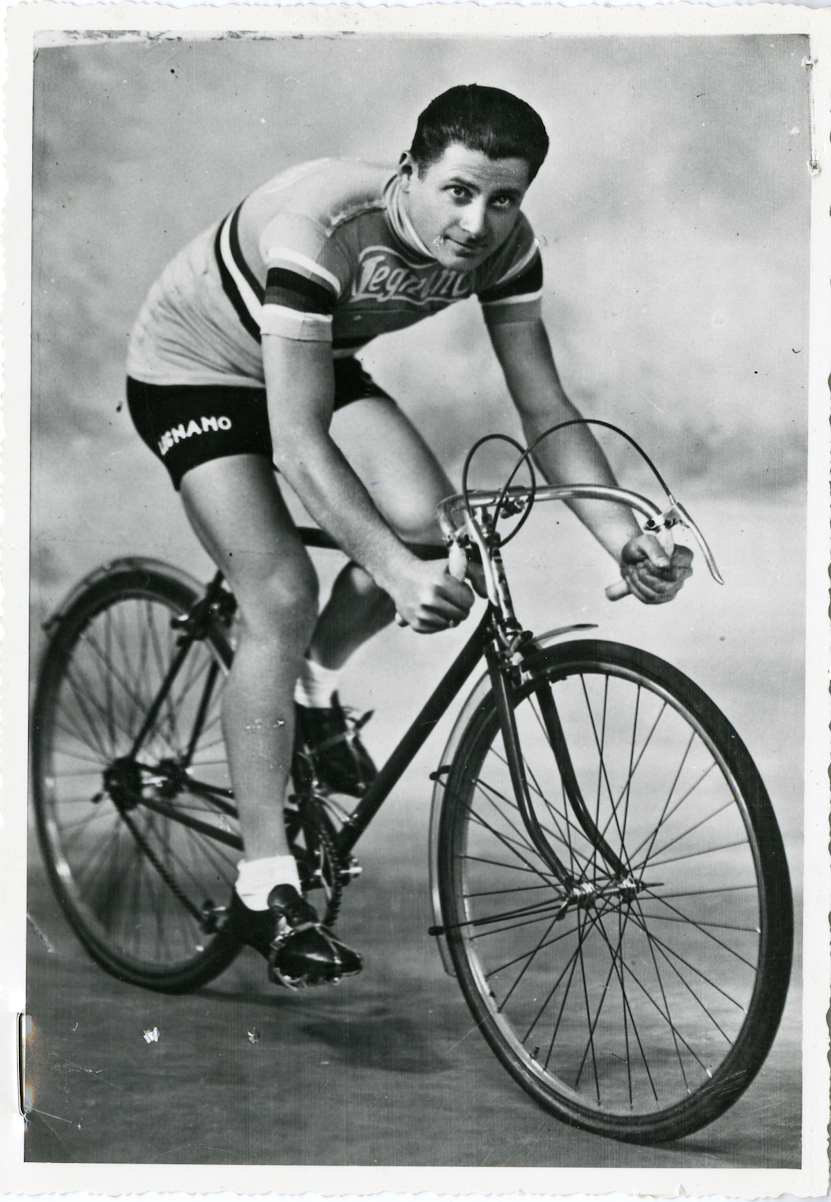
In March 1949, Nino Nutrizio wrote “Dilettanti in allarme” (“Amateurs alarmed”), an article for Pirelli magazine, in which an enthusiastic Alfredo Binda proudly declares: “I’m in the Gran Premio Pirelli, I’ve given my word, I’ve accepted the assignment”. After about ten years away from competitive cycling and now ready to take on the role of technical commissioner of the National Cycling Team, the great cycling champion found himself extremely busy going round Italy, organising the first Gran Premio Pirelli in the early years of the post-war period. It was to be “a colossal cycling event for amateurs, with ten regional preliminaries leading to a final showdown, with thousands of riders and two and a half million lire in prizes”. And every single competitor was to be given three of Pirelli’s top-of-the-range Specialissimo Corsa racing tyres. Binda had put forward this idea to an equally enthusiastic Arturo Pozzo, a manager in the tyre sector of the Pirelli Group.
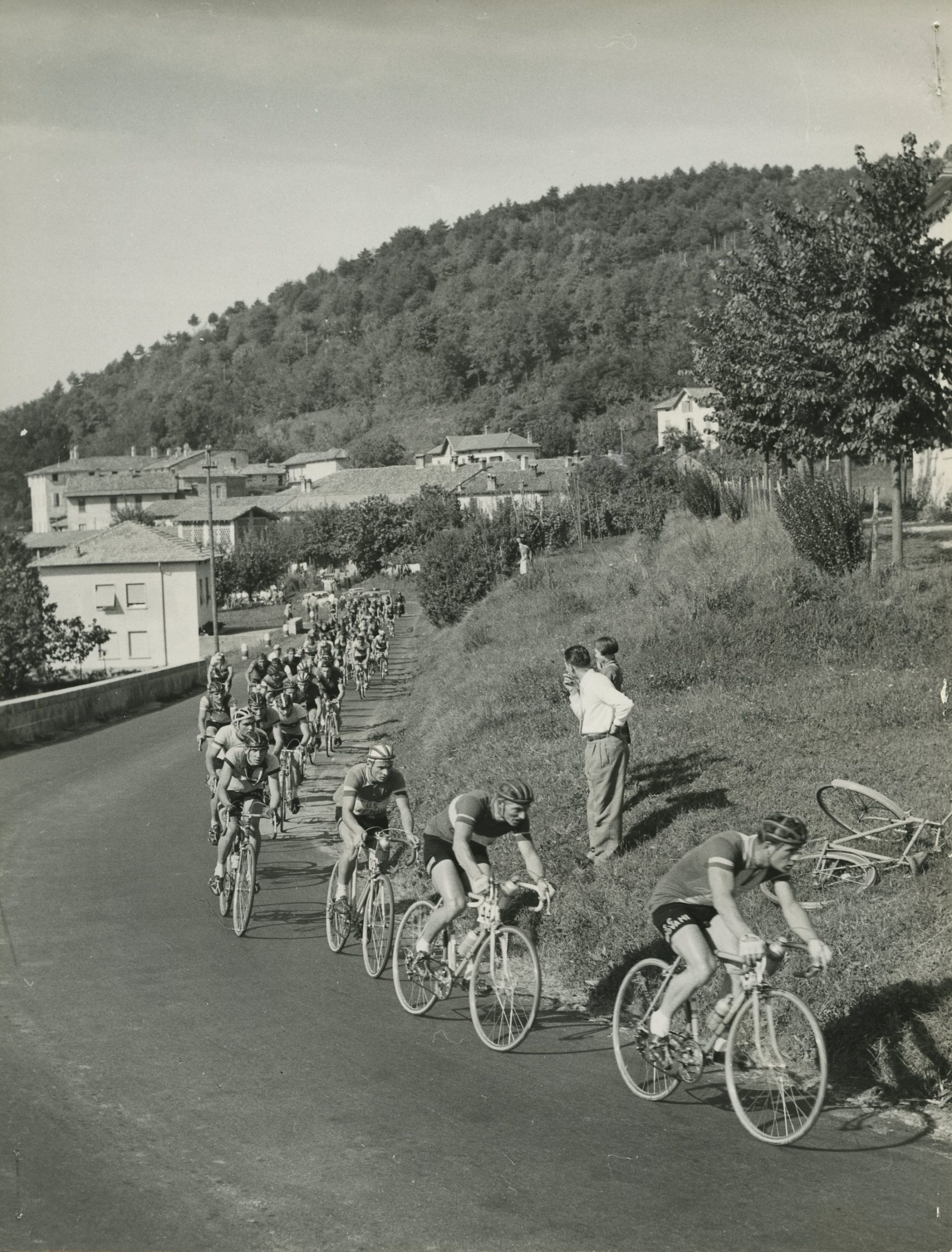
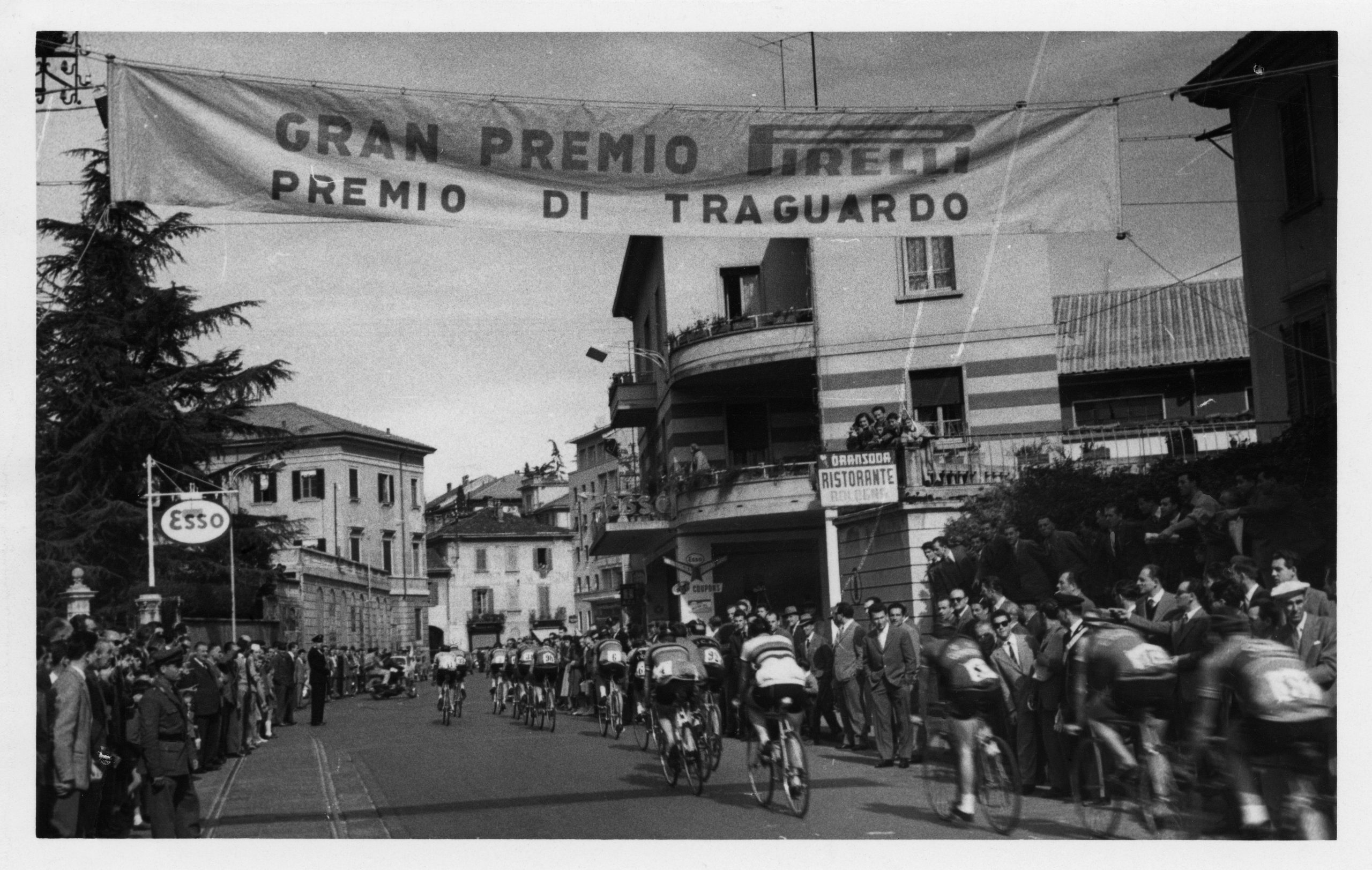
Under the Binda-Pirelli banner, the new competition became “the championship for amateurs”. The local preliminaries were held in ten regions across Italy, offering prizes and assistance for even the most minor technical problem. The top five winning the preliminaries contests earned the privilege of going to the starting line Milan, alongside with fifty other cyclists deemed worthy of participating in the event.
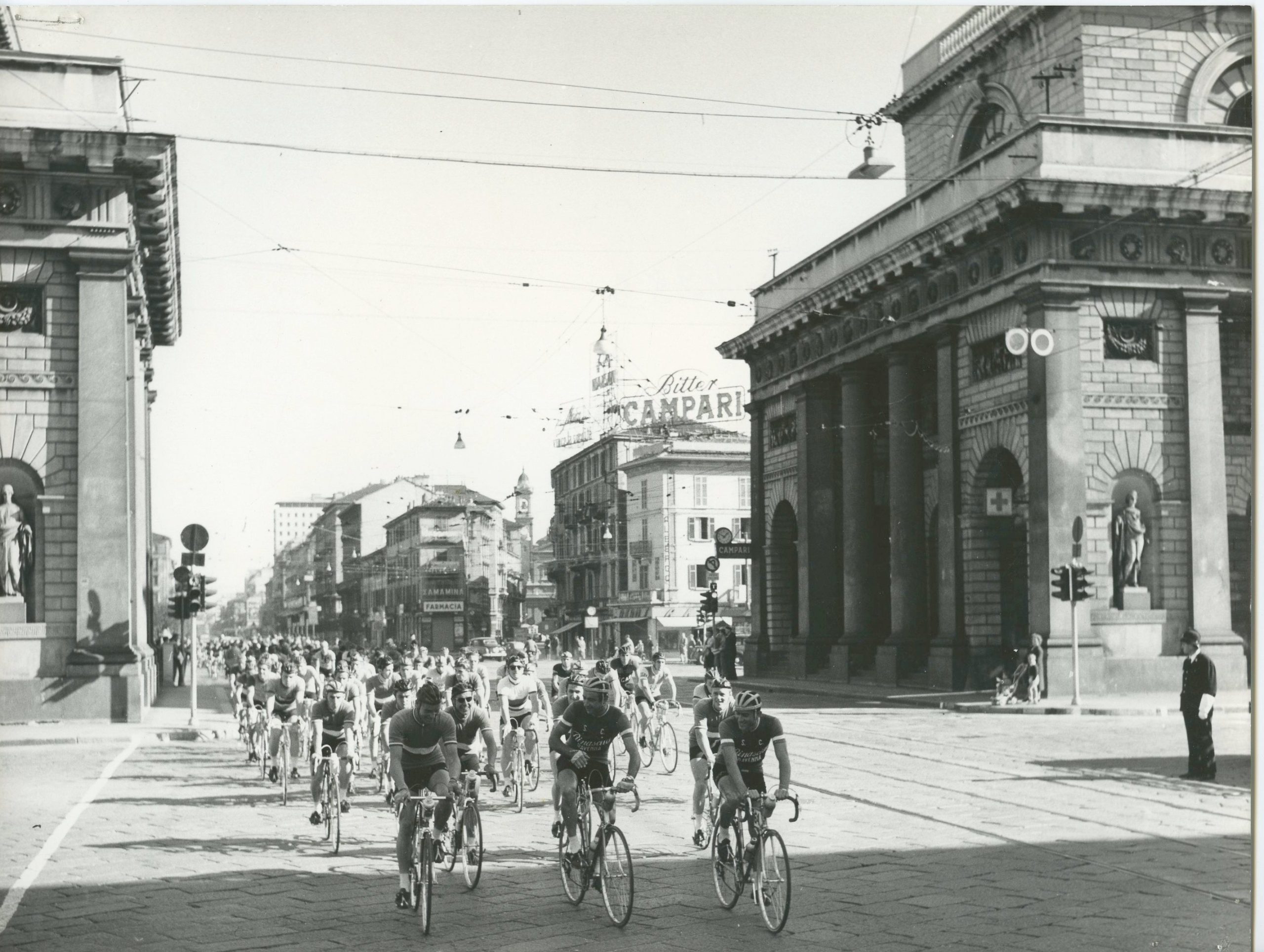
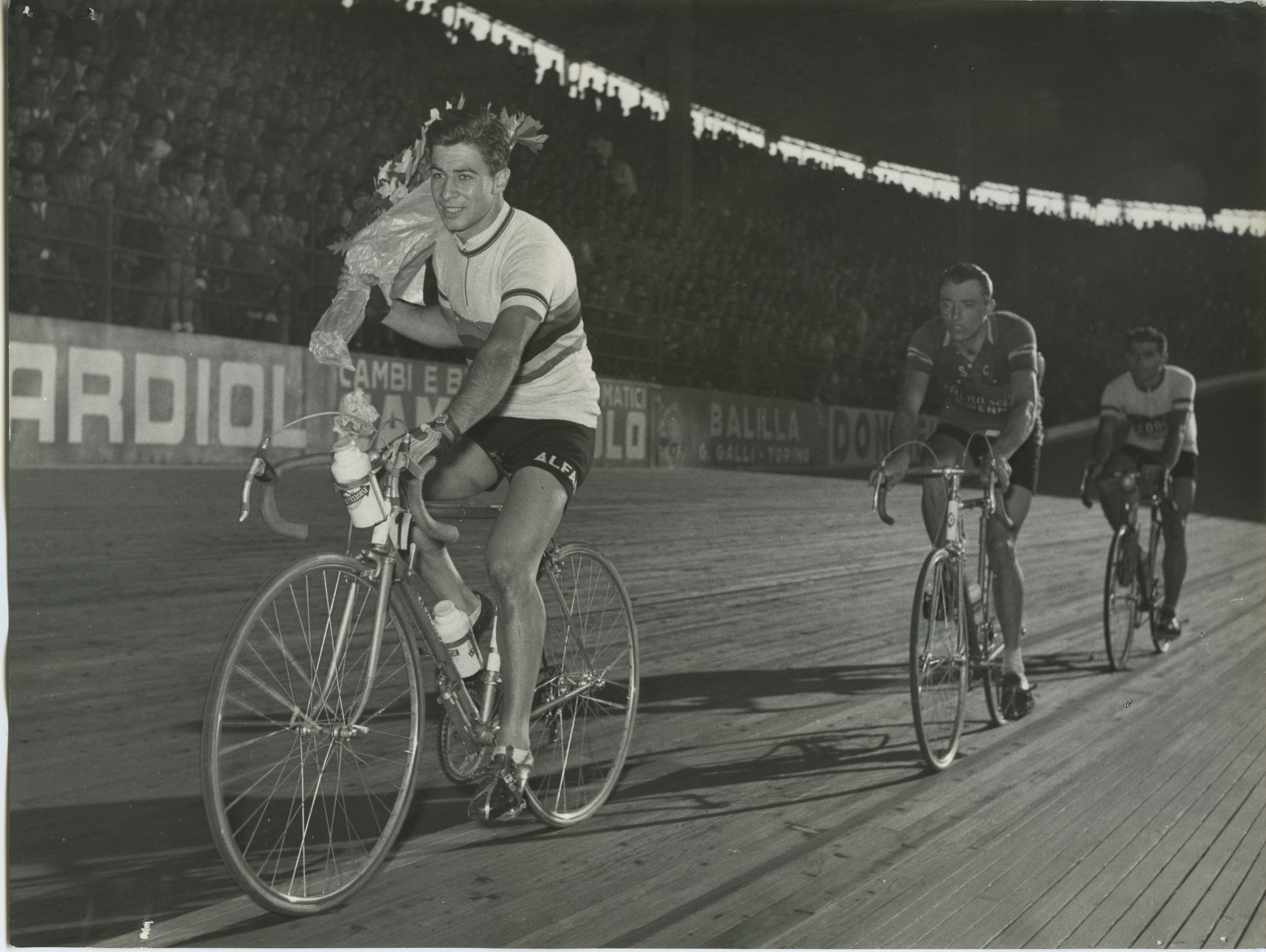
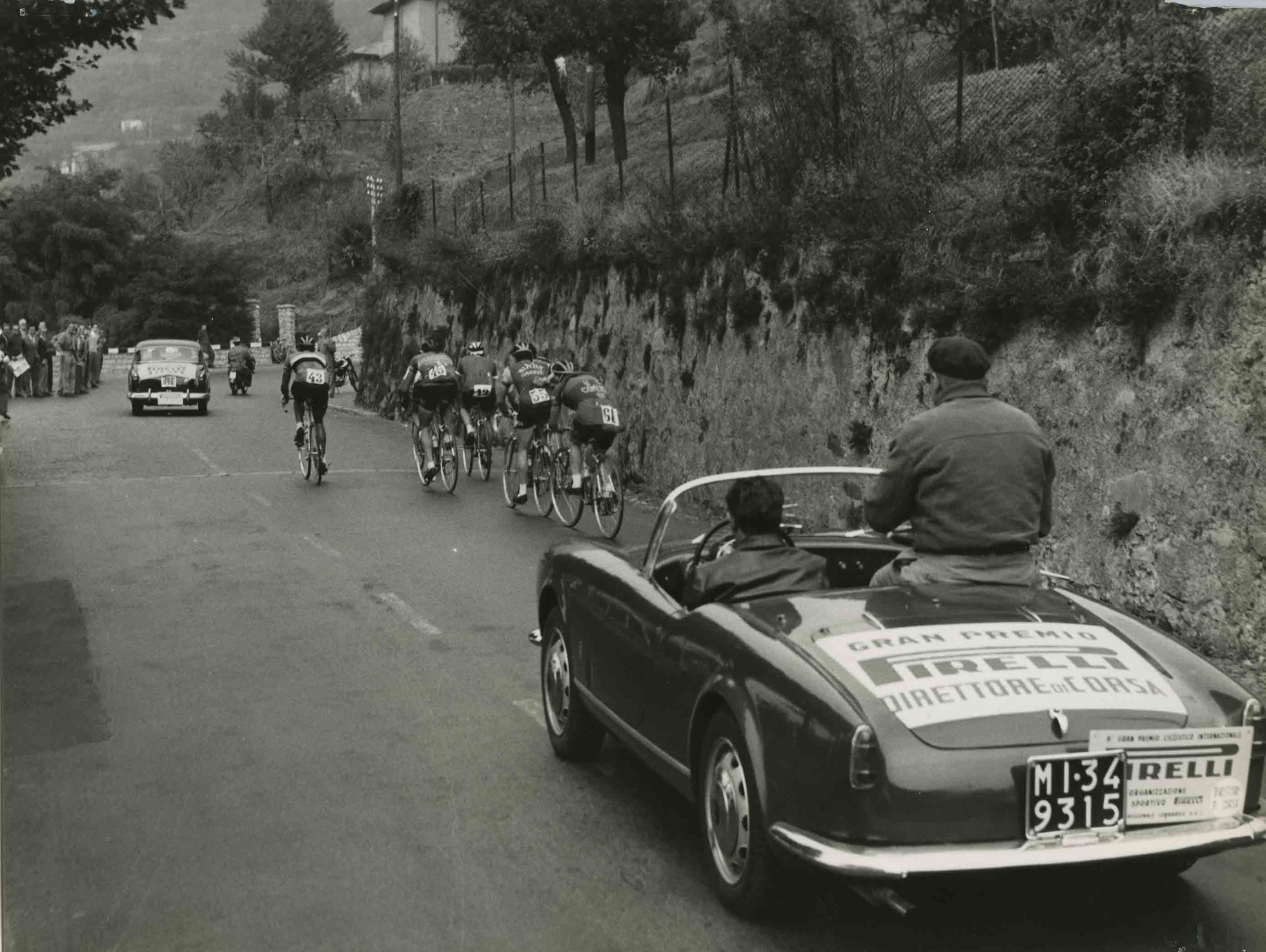
So, on the morning of Sunday, 9 October 1949, a hundred and twenty amateurs lined up in the Milan Arena waiting for the start of the Finalissima: Milan, Treviglio, Varese, Tradate, Saronno, and then back towards Milan and the final sprint in the legendary Vigorelli velodrome. The first cyclist to cross the finish line was twenty-year-old Loretto Petrucci from Pistoia, of the Nicolò Biondo cycling club in Carpi. Petrucci had been a member of the national team for two years and he was already a two-time winner of the Milano-Sanremo with the Bianchi team (in 1952 and 1953).
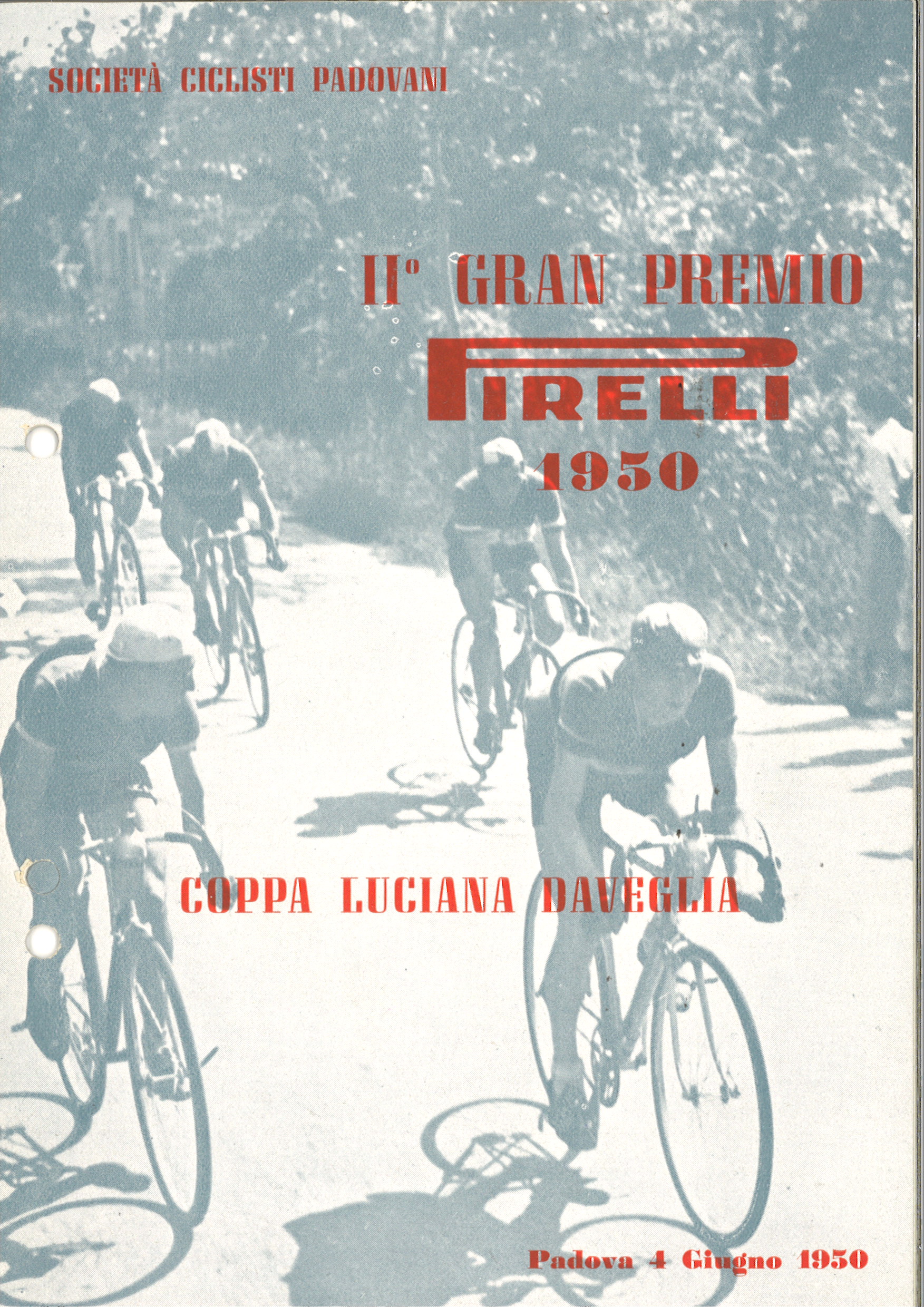
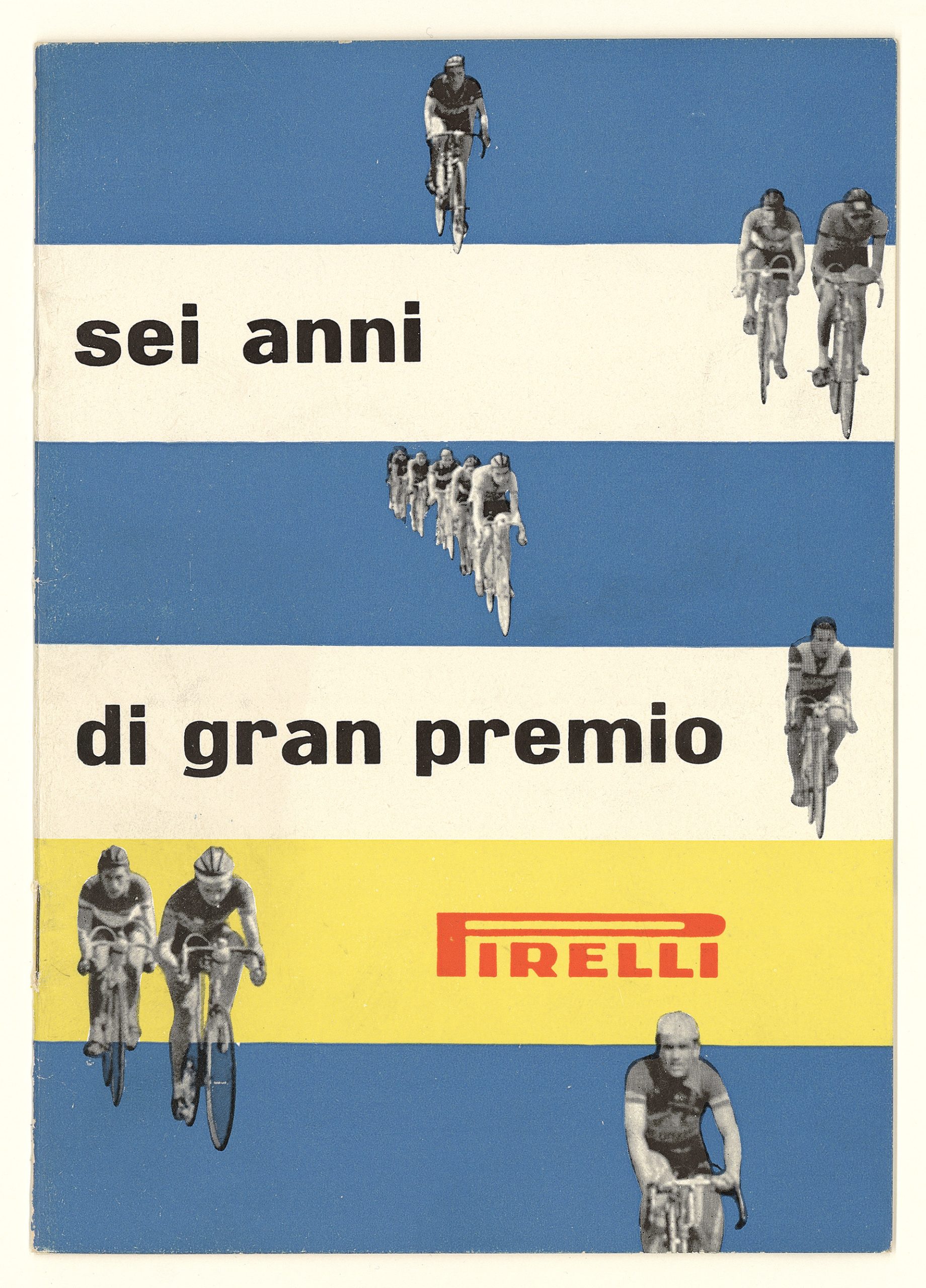
Throughout the first half of the 1950s, the Gran Premio Pirelli established itself as one of the most important springboards for over fourteen thousand young people who, like Petrucci, aspired to become professional cyclists. The company gave its full support to the event through the pages of Pirelli magazine, with gripping accounts of the remarkable achievements of the sprinters and detailed reports on cycling challenges, penned by Giuseppe Ambrosini, Gianni Brera, Nino Nutrizio, and Orio Vergani. It was Vergani who aptly remarked: “Pirelli has greater merit than any other in becoming a byword for a promising future for young talents in Italian cycling”. Binda himself had insisted from the outset that the event should be known as the “First Gran Premio Pirelli”, for he firmly believed that there would be subsequent editions, year after year.
And indeed there were, for almost a decade.