Access the Online Archive
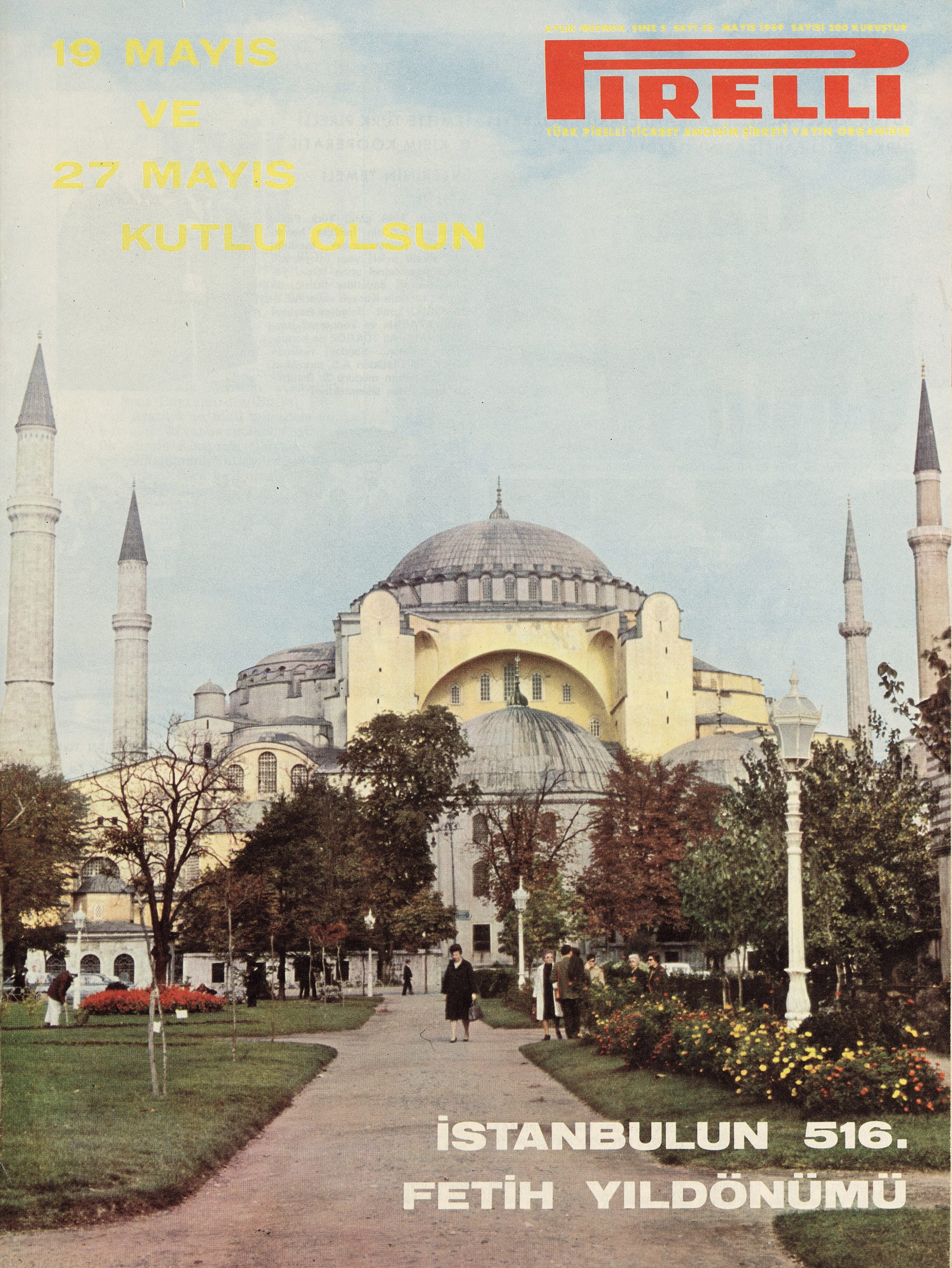
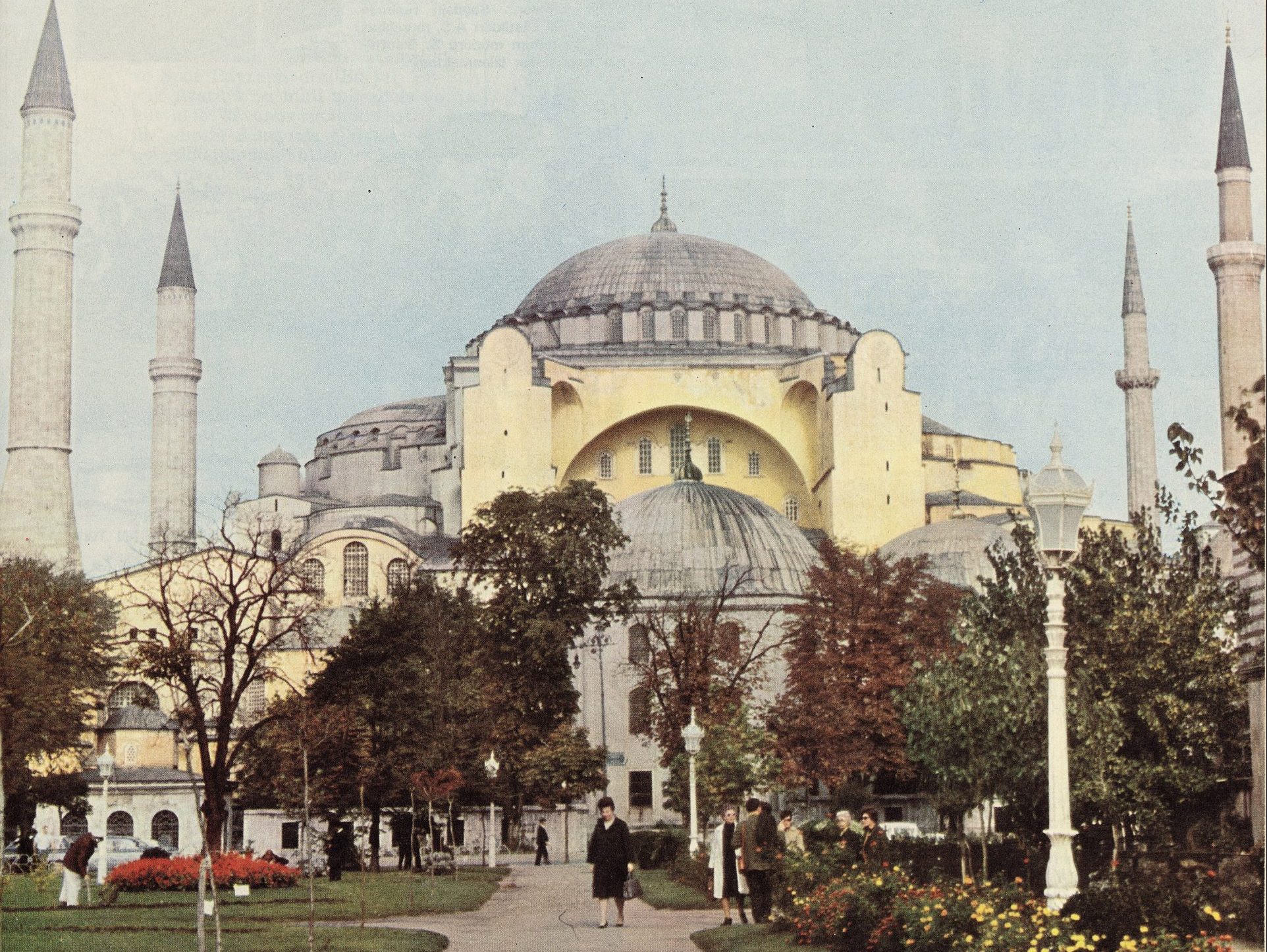
Search the Historical Archive of the Pirelli Foundation for sources and materials. Select the type of support you are interested in and write the keywords of your research.
    Select one of the following categories
  • Documents
  • Photographs
  • Drawings and posters
  • Audio-visuals
  • Publications and magazines
  • All
Help with your research
To request to view the materials in the Historical Archive and in the libraries of the Pirelli Foundation for study and research purposes and/or to find out how to request the use of materials for loans and exhibitions, please fill in the form below. You will receive an email confirming receipt of the request and you will be contacted.
Pirelli Foundation Educational Courses

Select the education level of the school
Back
Primary schools
Pirelli Foundation Educational Courses
Please fill in your details and the staff of Pirelli Foundation Educational will contact you to arrange the dates of the course.

I declare I have read  the privacy policy, and authorise the Pirelli Foundation to process my personal data in order to send communications, also by email, about initiatives/conferences organised by the Pirelli Foundation.

Back
Lower secondary school
Pirelli Foundation Educational Courses
Please fill in your details and the staff of Pirelli Foundation Educational will contact you to arrange the dates of the course.
Back
Upper secondary school
Pirelli Foundation Educational Courses
Please fill in your details and the staff of Pirelli Foundation Educational will contact you to arrange the dates of the course.
Back
University
Pirelli Foundation Educational Courses

Do you want to organize a training programme with your students? For information and reservations, write to universita@fondazionepirelli.org

Visit the Foundation
For information about the Foundation’s activities, guided tours and accessibility,
please call +39 0264423971 or fill in the form below, providing details of your request in the notes field.

Photographing Design: Showcasing Products at Pirelli Stands in the 1950s and 1960s

“The industrial product gains charm and prestige in the eyes of the public when it is enriched by the architect’s imagination […]. But how can an architect confer this appeal upon a product? By means of a carefully studied setting, placing it in a certain way, in a certain set of spaces; in short, by inventing an aesthetic context for it.” These were the words written by Armanda Guiducci in the pages of Pirelli magazine of 1960, in a critical analysis of the modern culture of well-being, which allows man to linger on the moment of enjoyment and in the “most refined pleasure of consuming”. The words of the Neapolitan writer underscore the significance of the relationship between artists and the business world—a meeting of visions that was crucial for conveying to the public not only a company’s history and values, but also the story of its products. This collaboration could be enhanced by architects and designers, who created the stands, shops, and shop windows that could communicate a company’s commercial power “at a glance”.
The photographs preserved in our Historical Archive bear witness to the importance of international fairs for Pirelli. These fairs provided an ideal platform for unveiling cutting-edge products and capturing the public eye, and many great names from the last century helped shape the visual identity of the iconic “Long P” with their ever more spectacular settings.

In contrast to early twentieth-century installations, which lacked a clear display model—as we see in the picture of the 1929 Prager Autosalon, with its “sculptural” pile of tyres—trade fairs from the 1950s onwards became an ideal space for architectural experimentation. At the 1958 Turin Motor Show, the collaboration between Bob Noorda and Roberto Menghi brought to life a luminous space, showcasing not just the company’s products, which were suspended from the ceiling by cables, but also the construction of the Pirelli Tower. The Dutch designer himself was photographed sitting on the pavilion’s armchairs, as if having a final look at his work before the opening. The various attractions of the “Long P” stands, caught on camera, included demonstrations of tyre assembly and disassembly, inflatable airships in rubberised fabric, rotating installations, and special demonstration machines that allowed visitors to experience the springiness of the company’s rubber suspensions.

Pirelli also took part in fairs devoted to the world of two wheels, such as the International Cycle and Motorcycle Exhibition, featuring renowned artists like Pino Tovaglia, Marco Zanuso, Franca Helg, Franco Albini, and Massimo Vignelli. The last of these created the setting for the 1963 edition, which was photographed by Roberto Facchini: tyres placed on illuminated pedestals, screens with pictures of Pirelli’s most significant racing victories, and, most notably, the “Directomat” machine—a small robot that dispensed “120 answers to your sports questions” printed on paper, sparking the curiosity of young and old alike. The Pirelli stands at EICMA went beyond just showcasing products, for they also showed the manufacturing processes, simulated their use on a circuit with mannequin-riders on bicycles with Pirelli tyres, and looked back over the history of the velocipede, showcasing some rare historical pieces. These ranged from the Draisine—the 1855 “dandy horse”—to the 1952 Bianchi bicycle that took Fausto Coppi to victory that year in both the Giro d’Italia and the Tour de France.

The diverse range of exhibitions that Pirelli took part in reflected the breadth of its product line during the mid-twentieth century: from the 1953 Triennale Firefighting Exhibition—where the company showed its accident prevention items such as hoses, respirators, and masks—to the 1956 International Packaging Exhibition in Padua, where a Fiat 600, wrapped in a Visqueen tubular sheet, was photographed at a stand made entirely of polyethylene, designed by Noorda. In 1957, at the International Children’s Festival in Palermo, the “Pirelli Zoo” came to life with Rempel toys, while at the 1st International Furniture Fair in Milan in 1961, a photograph captured the gluing process with a skilled worker applying Pirelli foam rubber to a seat. There were plenty of exhibitions abroad, such as the 1959 Feria Oficial e Internacional de Muestras in Barcelona. Here, the Pirelli stand, which was devoted to electrical conductors, featured a dramatic design, with a central pool surrounded by towering vertical columns shaped like cables, together with illustrations depicting the process of energy transmission through the products made by the iconic “Long P” company.

The photographs also capture the official visits of key political figures of the era. Prince Humbert of Savoy and his wife, Maria José of Belgium, are immortalised in front of a model of the Bicocca factory at the 1933 Milan Fair, interacting with a drawing of the same subject in pencil and white lead displayed on the wall. Similarly, King Victor Emmanuel III of Italy was photographed the following year at the unveiling of the classical-style Pirelli Pavilion, designed by Piero Portaluppi. Transitioning from Monarchy to Republic, the Turin Motor Show saw Presidents Luigi Einaudi in 1951 and Giuseppe Saragat in 1965, the latter photographed alongside Leopoldo Pirelli and Juan Manuel Fangio, the star of a series of commercials for the Cinturato that year. Also King Baudouin of Belgium made an appearance at the Pirelli stand at the 1960 International Motor Show in Brussels, with the camera capturing him in a conversation with the company’s technicians, “showing a keen interest in the details of the new BS3 invention”, the undisputed star of the show.

The importance of stands at trade fairs remains vital to Pirelli today as a means of expressing its identity. This can be seen in the space created for the 2024 edition of the Goodwood Festival of Speed—a stand devoted to electric mobility and the sustainable materials used in tyre production. This commitment is further reflected in The Sports Workshop, the new exhibition by the Pirelli Foundation, which honours the company’s longstanding bond with sports competitions.

“The industrial product gains charm and prestige in the eyes of the public when it is enriched by the architect’s imagination […]. But how can an architect confer this appeal upon a product? By means of a carefully studied setting, placing it in a certain way, in a certain set of spaces; in short, by inventing an aesthetic context for it.” These were the words written by Armanda Guiducci in the pages of Pirelli magazine of 1960, in a critical analysis of the modern culture of well-being, which allows man to linger on the moment of enjoyment and in the “most refined pleasure of consuming”. The words of the Neapolitan writer underscore the significance of the relationship between artists and the business world—a meeting of visions that was crucial for conveying to the public not only a company’s history and values, but also the story of its products. This collaboration could be enhanced by architects and designers, who created the stands, shops, and shop windows that could communicate a company’s commercial power “at a glance”.
The photographs preserved in our Historical Archive bear witness to the importance of international fairs for Pirelli. These fairs provided an ideal platform for unveiling cutting-edge products and capturing the public eye, and many great names from the last century helped shape the visual identity of the iconic “Long P” with their ever more spectacular settings.

In contrast to early twentieth-century installations, which lacked a clear display model—as we see in the picture of the 1929 Prager Autosalon, with its “sculptural” pile of tyres—trade fairs from the 1950s onwards became an ideal space for architectural experimentation. At the 1958 Turin Motor Show, the collaboration between Bob Noorda and Roberto Menghi brought to life a luminous space, showcasing not just the company’s products, which were suspended from the ceiling by cables, but also the construction of the Pirelli Tower. The Dutch designer himself was photographed sitting on the pavilion’s armchairs, as if having a final look at his work before the opening. The various attractions of the “Long P” stands, caught on camera, included demonstrations of tyre assembly and disassembly, inflatable airships in rubberised fabric, rotating installations, and special demonstration machines that allowed visitors to experience the springiness of the company’s rubber suspensions.

Pirelli also took part in fairs devoted to the world of two wheels, such as the International Cycle and Motorcycle Exhibition, featuring renowned artists like Pino Tovaglia, Marco Zanuso, Franca Helg, Franco Albini, and Massimo Vignelli. The last of these created the setting for the 1963 edition, which was photographed by Roberto Facchini: tyres placed on illuminated pedestals, screens with pictures of Pirelli’s most significant racing victories, and, most notably, the “Directomat” machine—a small robot that dispensed “120 answers to your sports questions” printed on paper, sparking the curiosity of young and old alike. The Pirelli stands at EICMA went beyond just showcasing products, for they also showed the manufacturing processes, simulated their use on a circuit with mannequin-riders on bicycles with Pirelli tyres, and looked back over the history of the velocipede, showcasing some rare historical pieces. These ranged from the Draisine—the 1855 “dandy horse”—to the 1952 Bianchi bicycle that took Fausto Coppi to victory that year in both the Giro d’Italia and the Tour de France.

The diverse range of exhibitions that Pirelli took part in reflected the breadth of its product line during the mid-twentieth century: from the 1953 Triennale Firefighting Exhibition—where the company showed its accident prevention items such as hoses, respirators, and masks—to the 1956 International Packaging Exhibition in Padua, where a Fiat 600, wrapped in a Visqueen tubular sheet, was photographed at a stand made entirely of polyethylene, designed by Noorda. In 1957, at the International Children’s Festival in Palermo, the “Pirelli Zoo” came to life with Rempel toys, while at the 1st International Furniture Fair in Milan in 1961, a photograph captured the gluing process with a skilled worker applying Pirelli foam rubber to a seat. There were plenty of exhibitions abroad, such as the 1959 Feria Oficial e Internacional de Muestras in Barcelona. Here, the Pirelli stand, which was devoted to electrical conductors, featured a dramatic design, with a central pool surrounded by towering vertical columns shaped like cables, together with illustrations depicting the process of energy transmission through the products made by the iconic “Long P” company.

The photographs also capture the official visits of key political figures of the era. Prince Humbert of Savoy and his wife, Maria José of Belgium, are immortalised in front of a model of the Bicocca factory at the 1933 Milan Fair, interacting with a drawing of the same subject in pencil and white lead displayed on the wall. Similarly, King Victor Emmanuel III of Italy was photographed the following year at the unveiling of the classical-style Pirelli Pavilion, designed by Piero Portaluppi. Transitioning from Monarchy to Republic, the Turin Motor Show saw Presidents Luigi Einaudi in 1951 and Giuseppe Saragat in 1965, the latter photographed alongside Leopoldo Pirelli and Juan Manuel Fangio, the star of a series of commercials for the Cinturato that year. Also King Baudouin of Belgium made an appearance at the Pirelli stand at the 1960 International Motor Show in Brussels, with the camera capturing him in a conversation with the company’s technicians, “showing a keen interest in the details of the new BS3 invention”, the undisputed star of the show.

The importance of stands at trade fairs remains vital to Pirelli today as a means of expressing its identity. This can be seen in the space created for the 2024 edition of the Goodwood Festival of Speed—a stand devoted to electric mobility and the sustainable materials used in tyre production. This commitment is further reflected in The Sports Workshop, the new exhibition by the Pirelli Foundation, which honours the company’s longstanding bond with sports competitions.

The challenge of the destiny that awaits us

Antonio Padoa-Schioppa’s latest book is a lucid summary of the issues that Europe needs to address.


Crisis, full stop? Or crisis and ways to emerge from it? These questions have obvious answers, but truly demand a guide organised by subject and stages. This is what Antonio Padoa-Schioppa has attempted with his Destini incrociati. Europa e crisi globali (Destinies intertwined: Europe and global crises), a book which has just been published. In its first pages, it expresses a “feeling of trust, but made up of responsibility” to convey “to the youngest readers” first and foremost, but which it would do everyone good to receive.

The author addresses crises starting from 10 words and from Europe. The first are: climate, energy, defence, reforms, budget, taxation, inequality, West, East, United Nations. The European Union, on the other hand, is the leading player today called upon to address these issues, which are all challenges to overcome.

Ten issues for negotiation between Europe and the planet make up the same number of chapters in Padoa-Schioppa’s book, which ends with a letter to the confirmed EC President Ursula von der Leyen.

The author leads the reader along a path that sees Europe as an extraordinary place of converging interests and values, a path punctuated by the themes identified by the different words which summarise them. However, the path leads to the question of whether the EU will truly be able to remain a global reality, whether it will truly succeed, even in the face of today’s crises, in continuing to institutionalise its peace and whether, finally, it will prove capable of leading Europe into the future.

This all reaches its conclusion in a letter to the President of the Commission – an act of trust and not naivety, Padoa-Schioppa clarifies. One of the letter’s final passages says: “Crises represent the origins of turning points; they birth them. And it is leadership that seizes on and promotes their potential. And finally, it’s the grassroots pressure (…) that provides the leadership with the necessary consensus support, which unfortunately is not enough on its own.” Democracy and unity therefore appear to be the real resources available for overcoming even such a difficult period as this.

Antonio Padoa-Schioppa’s book is a must-read for all: by those who are “merely” members of the public and those with decision-making responsibilities in businesses and institutions.

Destini incrociati. Europa e crisi globali

Antonio Padoa-Schioppa

il Mulino, 2024

Antonio Padoa-Schioppa’s latest book is a lucid summary of the issues that Europe needs to address.


Crisis, full stop? Or crisis and ways to emerge from it? These questions have obvious answers, but truly demand a guide organised by subject and stages. This is what Antonio Padoa-Schioppa has attempted with his Destini incrociati. Europa e crisi globali (Destinies intertwined: Europe and global crises), a book which has just been published. In its first pages, it expresses a “feeling of trust, but made up of responsibility” to convey “to the youngest readers” first and foremost, but which it would do everyone good to receive.

The author addresses crises starting from 10 words and from Europe. The first are: climate, energy, defence, reforms, budget, taxation, inequality, West, East, United Nations. The European Union, on the other hand, is the leading player today called upon to address these issues, which are all challenges to overcome.

Ten issues for negotiation between Europe and the planet make up the same number of chapters in Padoa-Schioppa’s book, which ends with a letter to the confirmed EC President Ursula von der Leyen.

The author leads the reader along a path that sees Europe as an extraordinary place of converging interests and values, a path punctuated by the themes identified by the different words which summarise them. However, the path leads to the question of whether the EU will truly be able to remain a global reality, whether it will truly succeed, even in the face of today’s crises, in continuing to institutionalise its peace and whether, finally, it will prove capable of leading Europe into the future.

This all reaches its conclusion in a letter to the President of the Commission – an act of trust and not naivety, Padoa-Schioppa clarifies. One of the letter’s final passages says: “Crises represent the origins of turning points; they birth them. And it is leadership that seizes on and promotes their potential. And finally, it’s the grassroots pressure (…) that provides the leadership with the necessary consensus support, which unfortunately is not enough on its own.” Democracy and unity therefore appear to be the real resources available for overcoming even such a difficult period as this.

Antonio Padoa-Schioppa’s book is a must-read for all: by those who are “merely” members of the public and those with decision-making responsibilities in businesses and institutions.

Destini incrociati. Europa e crisi globali

Antonio Padoa-Schioppa

il Mulino, 2024

Sustainability: how and why

Research published by Venice’s Ca’ Foscari University maps out the information required to understand a complex and delicate issue

Sustainability. A word that is now used and abused by many. The term encompasses a commitment to both the environment and to people, respect for the local area and markets, and corporate responsibility towards communities where companies operate. ‘Imprese e mercato: sfide e opportunità negli anni del Green Deal’ (Businesses and the Market: Challenges and Opportunities in the Green Deal Era’), a broad piece of research by Pietro Lanzini published in Ca’ Foscari’s Studi e ricerche, pins down several concepts that help us better understand the subject.

Lanzini takes a step-by-step approach as he focuses on the roles of companies and the market in relation to sustainability. First, however, he breaks down the topic from an institutional perspective before addressing the instruments resulting from the policies that have been implemented. He then turns his attention to the tools available to companies and the ‘responsible role’ that consumers play. The research goes on to explore two case studies: the energy transition and the automotive industry and mobility. In this section, Lanzini effectively illustrates the delicate interplay between the different pillars of sustainability and day-to-day business.

Summing up his research, the author writes that the common thread running through sustainability ‘is the awareness that it represents a challenge requiring a systemic and integrated approach that can only be accomplished by ongoing and shared commitment through synergic collaboration between the various players’. Three themes emerge clearly from the Ca’ Foscari research: firstly, that ‘sustainability goes far beyond mere environmental protection, representing instead a delicate balance between economic, social and environmental needs in an interconnected system where every action has knock-on effects’; secondly, the need to be truly ‘educated about sustainability’; and, finally, the ‘crucial role’ that everyone can play.

Imprese e mercato: sfide e opportunità negli anni del Green Deal (‘Businesses and the Market: Challenges and Opportunities in the Green Deal Era’)

Pietro Lanzini

Ca’ Foscari Editions, 2024

Research published by Venice’s Ca’ Foscari University maps out the information required to understand a complex and delicate issue

Sustainability. A word that is now used and abused by many. The term encompasses a commitment to both the environment and to people, respect for the local area and markets, and corporate responsibility towards communities where companies operate. ‘Imprese e mercato: sfide e opportunità negli anni del Green Deal’ (Businesses and the Market: Challenges and Opportunities in the Green Deal Era’), a broad piece of research by Pietro Lanzini published in Ca’ Foscari’s Studi e ricerche, pins down several concepts that help us better understand the subject.

Lanzini takes a step-by-step approach as he focuses on the roles of companies and the market in relation to sustainability. First, however, he breaks down the topic from an institutional perspective before addressing the instruments resulting from the policies that have been implemented. He then turns his attention to the tools available to companies and the ‘responsible role’ that consumers play. The research goes on to explore two case studies: the energy transition and the automotive industry and mobility. In this section, Lanzini effectively illustrates the delicate interplay between the different pillars of sustainability and day-to-day business.

Summing up his research, the author writes that the common thread running through sustainability ‘is the awareness that it represents a challenge requiring a systemic and integrated approach that can only be accomplished by ongoing and shared commitment through synergic collaboration between the various players’. Three themes emerge clearly from the Ca’ Foscari research: firstly, that ‘sustainability goes far beyond mere environmental protection, representing instead a delicate balance between economic, social and environmental needs in an interconnected system where every action has knock-on effects’; secondly, the need to be truly ‘educated about sustainability’; and, finally, the ‘crucial role’ that everyone can play.

Imprese e mercato: sfide e opportunità negli anni del Green Deal (‘Businesses and the Market: Challenges and Opportunities in the Green Deal Era’)

Pietro Lanzini

Ca’ Foscari Editions, 2024

As Dalla sang, ‘Milan, a city close to Europe’: the new underground lines and the shadows cast by the property boom

Singer-songwriter Lucio Dalla took a prescient view when he wrote ‘Milano’ in 1979. The song presents the city in a multitude of ways, as ‘lost’ and ‘far from heaven’, but also ‘within reach’; it proclaims its ‘fatigue’, its emotions, its condition as a city ‘thronged by millions with the breath of a single lung’. It is summed up by the words: ‘Milan, a city close to Europe…all those banks, all those exchange rates’, and ‘Fortuneless Milan, take me with you/underground or to the moon’. Those were difficult times, known as the ‘anni di piombo’ (‘years of lead’). And yet there was a vitality about them – waiting in the wings were the glittering eighties of the ‘Milano da bere’ (‘high-flying Milan’), flourishing economic prosperity, success in fashion and luxury, the great entrepreneurial figures and the captivating advertising campaigns of commercial television.

Artists possess a special sensitivity, a sharp creative intelligence that means they not only grasp the signs – albeit faint – of new times but can also immortalise longstanding periods in words and music. And so anyone listening to Dalla’s portrait of Milan today finds not only the bittersweet pleasure of nostalgia, but also a powerful sense of the contemporary.

Milan, a city that is indeed close to Europe. Its vocation is confirmed by the news we read today. News that is packed with figures on foreign investment – not only from multinational companies (5,000 of the 7,000 in Lombardy are based in Milan, half the national total), but also from millionaires leaving London to buy houses in Milan, driving up property market values. On 15 September, Il Sole 24 Ore noted that ‘Milan and Liguria are among the top ten destinations for the 128,000 individuals with a net worth of more than a million dollars who are changing their tax residence in 2024’. The paper put a figure of 2,200 on the new taxpayers who are forking out 100,000 euros per year in all-inclusive taxes, benefiting from an advantageous flat tax established by a law passed by the Renzi government. Although this has now been raised to 200,000 euros by the Meloni administration, it remains as attractive as ever.
And what about the Milan ‘that takes you underground or to the moon’? Aerospace industry aside, it is the ‘underground’ part that is most topical. That’s because at the end of last week the second stretch of the M4, Milan’s fifth underground line, connecting Linate airport to the outskirts of San Cristoforo, on the Naviglio Grande canal, was inaugurated; the 15-kilometre ‘blue line’ takes half an hour to ride, with trains running every 90 seconds and transporting 86 million passengers a year. And on the very day of the inauguration, after ten years of work (carried out by WeBuild, the Italian large-scale international infrastructure giant), Milan’s mayor, Beppe Sala, raised the bar yet further, talking about the ‘dream’ of a new line, the M6 (still to be designed and financed), and the extension of the existing four lines to the new destinations of Monza, Segrate and Baggio. This would be a huge upgrade to public infrastructure in a metropolis that already matches the standards of major cities – or, in Dalla’s words, is already ‘close to Europe’.
That was underlined by WeBuild’s chief executive and majority shareholder, Pietro Salini: “Milan is ‘the gateway to Europe’, and by building there we contribute to the growth of a city that has increasingly become the engine of Italy, a European leader and a cosmopolitan metropolis.”

It’s an apt description. Milan is international, ambitious and demanding. It’s a city that can dream, but it also has its feet on the ground. It can be severe, but also welcoming. Used to dealing in facts and figures. But cultured by tradition, well-spoken, with a host of writers, musicians and publishers. This is a hyper-critical city, including of itself. It provides frequent headaches, therefore, to those who govern it and plot and oversee its direction. On the other hand, this is precisely what characterises a civitas in which the historically rooted habit of good administration coexists with the enterprising and creative spirit of individuals, and public power is measured against private powers and organisations. Here everyone knows that they must reckon with an Enlightenment and reformist style of pragmatism.

While it may be true that ‘you become Milanese’ (just as hundreds of thousands of us have done since the post-war period), it is equally true that social inclusion and participation by a conscious citizenship require solid civic virtues and generous social qualities if we are to bind competitiveness to solidarity, achieve productivity in business and farsightedness in building a robust fabric of virtuous relations between legitimate interests and values.
And here is where the critical point lies. Over the course of time, due partly to complex cultural and social changes with origins far beyond Milan, the city has begun to transform itself. It has fewer citizens but more ‘city users’, with neither the culture nor the inclination to take responsibility for communal needs and values. And soaring house prices and the cost of living has accentuated this trend. The new wealthy, in nature highly international and far removed from the bourgeoisie (where the term relates not only to income, but more importantly to values, culture and lifestyle, where ‘fashion’ counts less than a solid sense of ‘elegance’, a great deal of sobriety and little time for appearances), are increasingly a feature of customs and consumption in Milan, neurotically sensitive to events and with little interest in long-term structures and institutions.

The risk is that ‘income consumes development’, as you might put it, paraphrasing the results of a survey by Dario Di Vico, on the back of data from Assolombarda and ‘Your Next Milano’ and published in the Economia of the Corriere della Sera (30 September) – in other words, that the interests of homeowners trump the very Milanese virtues of enterprise, culture, innovation and research: ‘Under the Madonnina multinationals and foreign students are diminishing in number. And where once there were captains of industry, homeowners now dominate.’
In short, there is a risk – discussed at length even by that well-trusted guide to the reforming spirit in Lombardy, the Centro Studi Grande Milano – that the tendency to drive out the middle classes, students, young couples, elderly people in financial difficulty and aspiring new middle-income citizens from the city centre and former residential districts will only intensify and reach the point of no return, making way for the international millionaires happy to pay the €200,000-a-year flat tax and tourists in search of short-term rentals. ‘Rents up 22 per cent in five years as prices in Barona and Corvetto hit record levels,’ was the headline in Corriere della Sera on 9 October in reference to once working class areas that are now highly desirable.

This is a version of Milan which would see it lose its soul, its economic and social sensibility – its very attractiveness. A dangerous drift,
but an unavoidable one? Well, perhaps not. Indeed, scrolling through the local news, you come across stories about investments in accommodation for students and young academics – for example, south of Milan, where the Athletes’ Village for the 2026 Milano-Cortina Olympics is being built. Or a ‘target of ten thousand affordable flats to combat the housing crisis‘ being set out by mayor Sala’s municipal council (la Repubblica, 24 September). We already know that ‘Edison is launching a housing plan to recruit new graduates’ (Corriere della Sera, 7 October). And there is hope for a general improvement in the quality of life thanks to the municipality ‘mapping out green areas, cycle paths and squares’ after taking the views of neighbourhoods into account. This will form part of the new ‘Area Administration Plan’, the main instrument for urban planning in the city.

Essentially, Milan is in the midst of a transformation. A period of flux. It might decline, amid the bright glow of skyscrapers and the dark shadows of social hardship (and crime). Or it might recover, as it has already done several times, including in its recent past.
A good example, which inspires hope, comes from a company celebration organised on the Olympic Village building site for the 50th anniversary of Coima, the property investment firm led by Manfredi Catella, a dynamic leading light in the new Milan: entitled ‘Inspiring Cities’, it featured a competition between eight universities in Milan and five in Rome to imagine the city of the future. The winner was the team from Milan’s Vita-Salute San Raffaele University, with a project called ‘Organism’, a view of an ideal, desirable and achievable city.
In short, a Milan choosing to dream and design. And doing so with intelligence and feeling.
That positive role played by feelings is important, because Milan is a thinking city; but, as locals say, it’s also an open-hearted city. ‘What if we went back to talking about love?’ is the title of the new season at Milan’s Franco Parenti Theatre, overseen by Andrée Ruth Shammah. Well, indeed. A love for one’s city.

Singer-songwriter Lucio Dalla took a prescient view when he wrote ‘Milano’ in 1979. The song presents the city in a multitude of ways, as ‘lost’ and ‘far from heaven’, but also ‘within reach’; it proclaims its ‘fatigue’, its emotions, its condition as a city ‘thronged by millions with the breath of a single lung’. It is summed up by the words: ‘Milan, a city close to Europe…all those banks, all those exchange rates’, and ‘Fortuneless Milan, take me with you/underground or to the moon’. Those were difficult times, known as the ‘anni di piombo’ (‘years of lead’). And yet there was a vitality about them – waiting in the wings were the glittering eighties of the ‘Milano da bere’ (‘high-flying Milan’), flourishing economic prosperity, success in fashion and luxury, the great entrepreneurial figures and the captivating advertising campaigns of commercial television.

Artists possess a special sensitivity, a sharp creative intelligence that means they not only grasp the signs – albeit faint – of new times but can also immortalise longstanding periods in words and music. And so anyone listening to Dalla’s portrait of Milan today finds not only the bittersweet pleasure of nostalgia, but also a powerful sense of the contemporary.

Milan, a city that is indeed close to Europe. Its vocation is confirmed by the news we read today. News that is packed with figures on foreign investment – not only from multinational companies (5,000 of the 7,000 in Lombardy are based in Milan, half the national total), but also from millionaires leaving London to buy houses in Milan, driving up property market values. On 15 September, Il Sole 24 Ore noted that ‘Milan and Liguria are among the top ten destinations for the 128,000 individuals with a net worth of more than a million dollars who are changing their tax residence in 2024’. The paper put a figure of 2,200 on the new taxpayers who are forking out 100,000 euros per year in all-inclusive taxes, benefiting from an advantageous flat tax established by a law passed by the Renzi government. Although this has now been raised to 200,000 euros by the Meloni administration, it remains as attractive as ever.
And what about the Milan ‘that takes you underground or to the moon’? Aerospace industry aside, it is the ‘underground’ part that is most topical. That’s because at the end of last week the second stretch of the M4, Milan’s fifth underground line, connecting Linate airport to the outskirts of San Cristoforo, on the Naviglio Grande canal, was inaugurated; the 15-kilometre ‘blue line’ takes half an hour to ride, with trains running every 90 seconds and transporting 86 million passengers a year. And on the very day of the inauguration, after ten years of work (carried out by WeBuild, the Italian large-scale international infrastructure giant), Milan’s mayor, Beppe Sala, raised the bar yet further, talking about the ‘dream’ of a new line, the M6 (still to be designed and financed), and the extension of the existing four lines to the new destinations of Monza, Segrate and Baggio. This would be a huge upgrade to public infrastructure in a metropolis that already matches the standards of major cities – or, in Dalla’s words, is already ‘close to Europe’.
That was underlined by WeBuild’s chief executive and majority shareholder, Pietro Salini: “Milan is ‘the gateway to Europe’, and by building there we contribute to the growth of a city that has increasingly become the engine of Italy, a European leader and a cosmopolitan metropolis.”

It’s an apt description. Milan is international, ambitious and demanding. It’s a city that can dream, but it also has its feet on the ground. It can be severe, but also welcoming. Used to dealing in facts and figures. But cultured by tradition, well-spoken, with a host of writers, musicians and publishers. This is a hyper-critical city, including of itself. It provides frequent headaches, therefore, to those who govern it and plot and oversee its direction. On the other hand, this is precisely what characterises a civitas in which the historically rooted habit of good administration coexists with the enterprising and creative spirit of individuals, and public power is measured against private powers and organisations. Here everyone knows that they must reckon with an Enlightenment and reformist style of pragmatism.

While it may be true that ‘you become Milanese’ (just as hundreds of thousands of us have done since the post-war period), it is equally true that social inclusion and participation by a conscious citizenship require solid civic virtues and generous social qualities if we are to bind competitiveness to solidarity, achieve productivity in business and farsightedness in building a robust fabric of virtuous relations between legitimate interests and values.
And here is where the critical point lies. Over the course of time, due partly to complex cultural and social changes with origins far beyond Milan, the city has begun to transform itself. It has fewer citizens but more ‘city users’, with neither the culture nor the inclination to take responsibility for communal needs and values. And soaring house prices and the cost of living has accentuated this trend. The new wealthy, in nature highly international and far removed from the bourgeoisie (where the term relates not only to income, but more importantly to values, culture and lifestyle, where ‘fashion’ counts less than a solid sense of ‘elegance’, a great deal of sobriety and little time for appearances), are increasingly a feature of customs and consumption in Milan, neurotically sensitive to events and with little interest in long-term structures and institutions.

The risk is that ‘income consumes development’, as you might put it, paraphrasing the results of a survey by Dario Di Vico, on the back of data from Assolombarda and ‘Your Next Milano’ and published in the Economia of the Corriere della Sera (30 September) – in other words, that the interests of homeowners trump the very Milanese virtues of enterprise, culture, innovation and research: ‘Under the Madonnina multinationals and foreign students are diminishing in number. And where once there were captains of industry, homeowners now dominate.’
In short, there is a risk – discussed at length even by that well-trusted guide to the reforming spirit in Lombardy, the Centro Studi Grande Milano – that the tendency to drive out the middle classes, students, young couples, elderly people in financial difficulty and aspiring new middle-income citizens from the city centre and former residential districts will only intensify and reach the point of no return, making way for the international millionaires happy to pay the €200,000-a-year flat tax and tourists in search of short-term rentals. ‘Rents up 22 per cent in five years as prices in Barona and Corvetto hit record levels,’ was the headline in Corriere della Sera on 9 October in reference to once working class areas that are now highly desirable.

This is a version of Milan which would see it lose its soul, its economic and social sensibility – its very attractiveness. A dangerous drift,
but an unavoidable one? Well, perhaps not. Indeed, scrolling through the local news, you come across stories about investments in accommodation for students and young academics – for example, south of Milan, where the Athletes’ Village for the 2026 Milano-Cortina Olympics is being built. Or a ‘target of ten thousand affordable flats to combat the housing crisis‘ being set out by mayor Sala’s municipal council (la Repubblica, 24 September). We already know that ‘Edison is launching a housing plan to recruit new graduates’ (Corriere della Sera, 7 October). And there is hope for a general improvement in the quality of life thanks to the municipality ‘mapping out green areas, cycle paths and squares’ after taking the views of neighbourhoods into account. This will form part of the new ‘Area Administration Plan’, the main instrument for urban planning in the city.

Essentially, Milan is in the midst of a transformation. A period of flux. It might decline, amid the bright glow of skyscrapers and the dark shadows of social hardship (and crime). Or it might recover, as it has already done several times, including in its recent past.
A good example, which inspires hope, comes from a company celebration organised on the Olympic Village building site for the 50th anniversary of Coima, the property investment firm led by Manfredi Catella, a dynamic leading light in the new Milan: entitled ‘Inspiring Cities’, it featured a competition between eight universities in Milan and five in Rome to imagine the city of the future. The winner was the team from Milan’s Vita-Salute San Raffaele University, with a project called ‘Organism’, a view of an ideal, desirable and achievable city.
In short, a Milan choosing to dream and design. And doing so with intelligence and feeling.
That positive role played by feelings is important, because Milan is a thinking city; but, as locals say, it’s also an open-hearted city. ‘What if we went back to talking about love?’ is the title of the new season at Milan’s Franco Parenti Theatre, overseen by Andrée Ruth Shammah. Well, indeed. A love for one’s city.

The Settimo Torinese Festival Challenge: Sport and Technology

Again in 2024, the Pirelli Foundation is taking part in the 12th Festival of Innovation and Science in Settimo Torinese. This year it examines the theme of “FRONTIERS”, exploring scientific boundaries, social challenges, and interdisciplinary synergies. One of the key events is the Pirelli Foundation’s Beyond the Finish Line: Stories of Sporting and Technological Challenges” [Oltre il traguardo: storie di sfide sportive e tecnologiche], which will be held on Wednesday 9 October at 11 a.m. at the Biblioteca Archimede in Settimo Torinese. The session will explore how technology can play a decisive role in making sporting events spectacular, and how competitions, in turn, drive the development of new technologies. The discussion will also examine the long-standing connection between Pirelli—one of Italy’s most enduring multinationals—and the world of sports, a relationship that began in the late nineteenth century when Pirelli tyres were first used in races and on roads across the world. Over time, this connection extended to various disciplines, including cycling, motorcycling, car racing, skiing, tennis, football, mountain sports, and sailing. Scientific research in these areas has continued to push boundaries, leading to new products and technologies that have also helped and still help towards great sporting achievements. Using quizzes and archival images from the Pirelli Historical Archive, the event will retrace some of the most thrilling sporting and technological challenges. These include tales of athletes who, through courage, determination, and teamwork, overcame boundaries to achieve extraordinary feats. Highlights will include Scipione Borghese’s legendary 1907 Peking-Paris motor race which crossed half the planet, the Italian expedition to the summit of K2, the famous battles between Gino Bartali and Fausto Coppi at the Giro d’Italia, and the ocean exploits of sailor Ambrogio Beccaria on a boat that seems to fly across the water.

Again in 2024, the Pirelli Foundation is taking part in the 12th Festival of Innovation and Science in Settimo Torinese. This year it examines the theme of “FRONTIERS”, exploring scientific boundaries, social challenges, and interdisciplinary synergies. One of the key events is the Pirelli Foundation’s Beyond the Finish Line: Stories of Sporting and Technological Challenges” [Oltre il traguardo: storie di sfide sportive e tecnologiche], which will be held on Wednesday 9 October at 11 a.m. at the Biblioteca Archimede in Settimo Torinese. The session will explore how technology can play a decisive role in making sporting events spectacular, and how competitions, in turn, drive the development of new technologies. The discussion will also examine the long-standing connection between Pirelli—one of Italy’s most enduring multinationals—and the world of sports, a relationship that began in the late nineteenth century when Pirelli tyres were first used in races and on roads across the world. Over time, this connection extended to various disciplines, including cycling, motorcycling, car racing, skiing, tennis, football, mountain sports, and sailing. Scientific research in these areas has continued to push boundaries, leading to new products and technologies that have also helped and still help towards great sporting achievements. Using quizzes and archival images from the Pirelli Historical Archive, the event will retrace some of the most thrilling sporting and technological challenges. These include tales of athletes who, through courage, determination, and teamwork, overcame boundaries to achieve extraordinary feats. Highlights will include Scipione Borghese’s legendary 1907 Peking-Paris motor race which crossed half the planet, the Italian expedition to the summit of K2, the famous battles between Gino Bartali and Fausto Coppi at the Giro d’Italia, and the ocean exploits of sailor Ambrogio Beccaria on a boat that seems to fly across the water.

“Ready, camera… action!”
Pirelli in Photography and Cinema

The development of Pirelli’s visual communication is a story of innovation, quality, and bold experimentation. For years, visionary artists—from painters and graphic artists to photographers, designers, and directors—have been enlisted to convey the powerful identity of the “Long P” brand. Right from the beginning of the twentieth century, the company recognised the vast potential of cinema, a medium then still in its infancy. This can be seen in the 1927 footage of King Victor Emmanuel III’s visit to the Pirelli factory in Bicocca, filmed by Luca Comerio, one of Italy’s leading filmmakers in the age of silent movies. This marked the beginning of a long bond between Pirelli and the movie camera, which became ever stronger as the years went by. We see this in Mario Milani’s documentary Correre un’ora, viaggiare una vita, on the technological influence of racing tyres on mass-market products, and in the short film The Tortoise and the Hare, directed by the Oscar-winning filmmaker Hugh Hudson. Then came the animated advertisements created by Nino and Toni Pagot in the early 1950s, and the appearance of Pirelli tyres in both Italian and international films about the world of motoring, such as The Racers, starring Kirk Douglas, and Last Meeting, with Amedeo Nazzari and Juan Manuel Fangio. The behind-the-scenes action of the latter was captured in a photo shoot on the Monza racetrack, where the film was set.

The photographs also capture the atmosphere at the meetings held at the Pirelli Cultural Centre, where film screenings brought in large numbers of employees for thematic series, debates, and even national premieres. The latter included the 1961 screening of The Hoodlum Priest, which was shown after its triumph at the Cannes Film Festival, with the stars Don Murray and Cindy Wood in attendance. Another notable premiere was Sergio Sollima’s The Big Gundown, one of the most highly acclaimed Italian Westerns. On 18 November 1966, shortly after the Venice Film Festival, Roberto Rossellini presented a special preview of his film Louis XIV at the Auditorium in the Pirelli Tower. He explained how the film’s historical accuracy was based on authentic documents and letters of the time, and how “reality is often more imaginative than a filmmaker can imagine”.

The big screen also came to the fore in Pirelli magazine, where some of the top film critics of the time reflected on the relationship between cinema and society. They looked at innovations in the industry—from the emergence of Cinerama to the rise of the drive-in—and chronicled the evolution of Italian cinema, the rise of Neorealism and the personal creativity of directors as auteurs. The texts were accompanied by iconic images from films that made the history of cinema. These included the shot by Paul Ronald, a celebrated set photographer admired by Visconti and Fellini, showing the kiss in Rocco and His Brothers between Annie Girardot and the “poor but handsome” Renato Salvatori on the Lungolago Europa in Bellagio. This set was where Girardot and Salvatori’s off-screen love story began, leading to their marriage two years later. Then there was the boat trip that opens Michelangelo Antonioni’s The Adventure, starring his muse Monica Vitti, who also appeared in his The Night and The Eclipse, part of his “existential trilogy of incommunicability”. And, of course, the famous scene at the Trevi Fountain in La Dolce Vita, filmed in the dead of winter, where Marcello Mastroianni had to wear a wetsuit under his suit to withstand the cold.
Some photographs, on the other hand, offer a glimpse behind the scenes, such as one from the set of Europe ’51, with Rossellini giving directorial instructions to Ingrid Bergman in one of the most celebrated romantic and professional partnerships in cinema history. We see Pier Paolo Pasolini during the making of La ricotta, an episode from the film RoGoPaG, which blends the sacred and the profane, in a critique of the moral decline of the era. In the background is a striking tableau vivant of The Last Supper and The Crucifixion of Christ—symbols that ultimately led to the film being banned and the accusation of blasphemy. One shot captures the heroic cinematic endeavour led by Franco Zeffirelli during the devastating Florence flood of 1966. In the picture, Zeffirelli witnesses the destruction of the city’s historical and artistic treasures, standing alongside Professor Frederick Hartt, a renowned art historian of the Italian Renaissance and responsible for the recovery of artworks stolen during the Second World War. Having returned to Italy to assist, together with the other “mud angels”, Hartt was invited by Zeffirelli to take part in the filming of Days of Destruction. This emotional docufilm was a poignant tribute to the city’s tragedy and its efforts to rise up again. Completed in under a month with the support of RAI’s top executives, the documentary was a massive media effort for its time. It focused global attention on the disaster, and helped raise over $20 million for the reconstruction of Florence. As Richard Burton’s iconic voice-over stated, the funds allowed the families and cities affected to start up their lives again.

Meanwhile, Vado e torno, a bimonthly magazine launched in 1962 for the trucking community, captivated readers with its covers featuring the great divas of cinema—including Claudia Cardinale, Sophia Loren, Jane Fonda and Brigitte Bardot. The magazine explored the personal lives and performances of these actresses, with their black-and-white portraits becoming a distinctive feature of the publication.

The bond between Pirelli and cinema has never faltered over the years. It includes contributions by producers, actresses, and directors in the company’s magazine World—including interviews with Steven Soderbergh and Steven Spielberg—and its involvement as a partner in the new film on the FIA Formula 1 World Championship, directed by Joseph Kosinski and starring Brad Pitt, as well as the short film We Are, produced by the Pirelli Foundation and Muse Factory of Projects. Inspired by Bertolt Brecht’s The Life of Galileo, this visual narrative explores various locations in Milan, illustrating different aspects of Pirelli’s corporate culture.

The development of Pirelli’s visual communication is a story of innovation, quality, and bold experimentation. For years, visionary artists—from painters and graphic artists to photographers, designers, and directors—have been enlisted to convey the powerful identity of the “Long P” brand. Right from the beginning of the twentieth century, the company recognised the vast potential of cinema, a medium then still in its infancy. This can be seen in the 1927 footage of King Victor Emmanuel III’s visit to the Pirelli factory in Bicocca, filmed by Luca Comerio, one of Italy’s leading filmmakers in the age of silent movies. This marked the beginning of a long bond between Pirelli and the movie camera, which became ever stronger as the years went by. We see this in Mario Milani’s documentary Correre un’ora, viaggiare una vita, on the technological influence of racing tyres on mass-market products, and in the short film The Tortoise and the Hare, directed by the Oscar-winning filmmaker Hugh Hudson. Then came the animated advertisements created by Nino and Toni Pagot in the early 1950s, and the appearance of Pirelli tyres in both Italian and international films about the world of motoring, such as The Racers, starring Kirk Douglas, and Last Meeting, with Amedeo Nazzari and Juan Manuel Fangio. The behind-the-scenes action of the latter was captured in a photo shoot on the Monza racetrack, where the film was set.

The photographs also capture the atmosphere at the meetings held at the Pirelli Cultural Centre, where film screenings brought in large numbers of employees for thematic series, debates, and even national premieres. The latter included the 1961 screening of The Hoodlum Priest, which was shown after its triumph at the Cannes Film Festival, with the stars Don Murray and Cindy Wood in attendance. Another notable premiere was Sergio Sollima’s The Big Gundown, one of the most highly acclaimed Italian Westerns. On 18 November 1966, shortly after the Venice Film Festival, Roberto Rossellini presented a special preview of his film Louis XIV at the Auditorium in the Pirelli Tower. He explained how the film’s historical accuracy was based on authentic documents and letters of the time, and how “reality is often more imaginative than a filmmaker can imagine”.

The big screen also came to the fore in Pirelli magazine, where some of the top film critics of the time reflected on the relationship between cinema and society. They looked at innovations in the industry—from the emergence of Cinerama to the rise of the drive-in—and chronicled the evolution of Italian cinema, the rise of Neorealism and the personal creativity of directors as auteurs. The texts were accompanied by iconic images from films that made the history of cinema. These included the shot by Paul Ronald, a celebrated set photographer admired by Visconti and Fellini, showing the kiss in Rocco and His Brothers between Annie Girardot and the “poor but handsome” Renato Salvatori on the Lungolago Europa in Bellagio. This set was where Girardot and Salvatori’s off-screen love story began, leading to their marriage two years later. Then there was the boat trip that opens Michelangelo Antonioni’s The Adventure, starring his muse Monica Vitti, who also appeared in his The Night and The Eclipse, part of his “existential trilogy of incommunicability”. And, of course, the famous scene at the Trevi Fountain in La Dolce Vita, filmed in the dead of winter, where Marcello Mastroianni had to wear a wetsuit under his suit to withstand the cold.
Some photographs, on the other hand, offer a glimpse behind the scenes, such as one from the set of Europe ’51, with Rossellini giving directorial instructions to Ingrid Bergman in one of the most celebrated romantic and professional partnerships in cinema history. We see Pier Paolo Pasolini during the making of La ricotta, an episode from the film RoGoPaG, which blends the sacred and the profane, in a critique of the moral decline of the era. In the background is a striking tableau vivant of The Last Supper and The Crucifixion of Christ—symbols that ultimately led to the film being banned and the accusation of blasphemy. One shot captures the heroic cinematic endeavour led by Franco Zeffirelli during the devastating Florence flood of 1966. In the picture, Zeffirelli witnesses the destruction of the city’s historical and artistic treasures, standing alongside Professor Frederick Hartt, a renowned art historian of the Italian Renaissance and responsible for the recovery of artworks stolen during the Second World War. Having returned to Italy to assist, together with the other “mud angels”, Hartt was invited by Zeffirelli to take part in the filming of Days of Destruction. This emotional docufilm was a poignant tribute to the city’s tragedy and its efforts to rise up again. Completed in under a month with the support of RAI’s top executives, the documentary was a massive media effort for its time. It focused global attention on the disaster, and helped raise over $20 million for the reconstruction of Florence. As Richard Burton’s iconic voice-over stated, the funds allowed the families and cities affected to start up their lives again.

Meanwhile, Vado e torno, a bimonthly magazine launched in 1962 for the trucking community, captivated readers with its covers featuring the great divas of cinema—including Claudia Cardinale, Sophia Loren, Jane Fonda and Brigitte Bardot. The magazine explored the personal lives and performances of these actresses, with their black-and-white portraits becoming a distinctive feature of the publication.

The bond between Pirelli and cinema has never faltered over the years. It includes contributions by producers, actresses, and directors in the company’s magazine World—including interviews with Steven Soderbergh and Steven Spielberg—and its involvement as a partner in the new film on the FIA Formula 1 World Championship, directed by Joseph Kosinski and starring Brad Pitt, as well as the short film We Are, produced by the Pirelli Foundation and Muse Factory of Projects. Inspired by Bertolt Brecht’s The Life of Galileo, this visual narrative explores various locations in Milan, illustrating different aspects of Pirelli’s corporate culture.

“The Sports Workshop”, a new exhibition for the Pirelli Foundation

The culture of sport, the values it shares with the business world, and the historic bond between Pirelli and sports competitions all come together in The Sports Workshop, a new exhibition curated by the Pirelli Foundation. The show expands on the themes explored in the book of the same name published by Marsilio Arte last June. The exhibition, held at the Foundation’s premises, accompanies visitors into a world of iconic objects, archival documents, and timeless examples of the company’s visual communication.

It opens with an interactive digital Wunderkammer, or “cabinet of wonders”, which tells the story of innovation in Pirelli’s sports products, both past and present. Show tyres, precious catalogues from the early twentieth century and famous advertising campaigns accompany visitors on a journey of discovery through the most important tyres used in car, motorbike and cycling races. However, the story of Pirelli in the world of sport extends far beyond racing: the display includes historical products made by the company, such as its covers for footballs and the tennis ball “that whizzes and bounces”, alongside a narrative of the company’s recent partnership with the Alpine Skiing World Championships and the technological feats of Luna Rossa Prada Pirelli and Alla Grande-Pirelli in sailing.

The vast photographic collection from the Historical Archive is showcased in pictures of legendary track races, the skill and craftsmanship of workers, and production processes within both historic and modern factories devoted to sports products. These include the compounds developed at the Settimo Torinese Industrial Centre and the racing tyres produced in factories such as Slatina and İzmit, among others. Sport has always been at the heart of Pirelli’s corporate welfare policy, which is a key element of its corporate culture. Since the 1920s, the Pirelli Sports Group has steadily expanded its offering of disciplines, which now includes football, tennis, basketball, fencing, athletics, bowls, skiing, mountaineering, and more besides. Its members have included Olympic champions, such as Adolfo Consolini, who won gold in discus at the 1948 London Olympics.

The iconographic section of the exhibition continues in the Open Space, on the first floor of the Foundation. Here, visitors will find illustrated works created by the artist Lorenzo Mattotti for the book entitled The Sports Workshop. Additionally, the exhibition showcases some of the most famous advertising campaigns with sports personalities, from Alberto Ascari and Adriano Panatta to the iconic “Power Is Nothing without Control” ads with Carl Lewis, Ronaldo, and Marie-José Pérec. The display also includes photographic images of behind-the-scenes moments of competitions, the crucial role played by the teams that back up the champions, and the technological research and experimentation that drive the creation of innovative, safe, and sustainable products. Ultimately, the exhibition focuses on the passion that drives athletes to achieve peak performance.

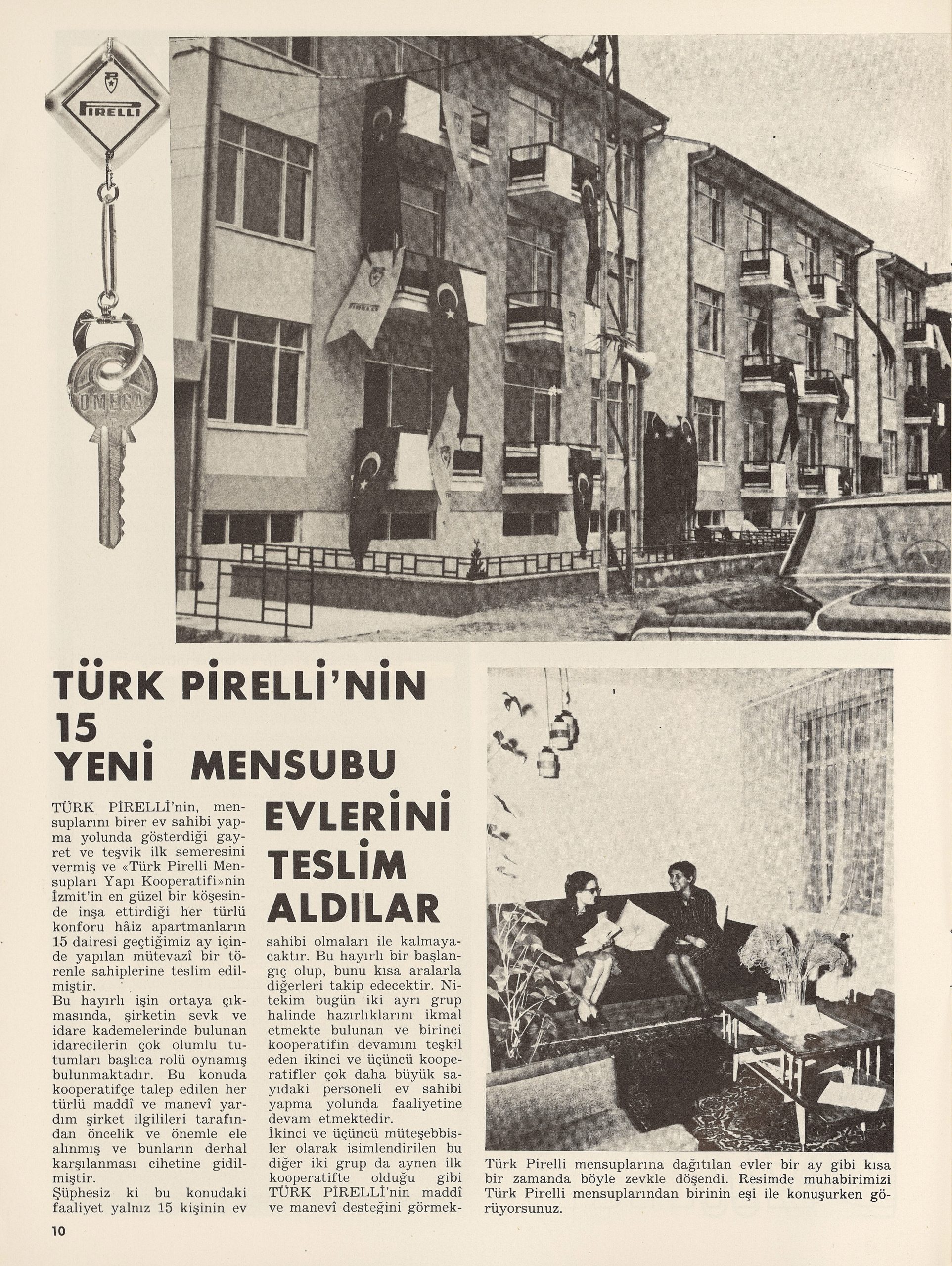
The rich heritage preserved by the Foundation—including slides, negatives on plate and film, audio-visual materials, sketches, and posters—can also be explored by means of an interactive digital wall. Like a window on the archive, this offers visitors a chance to retrace over 150 years of company history and sporting achievements, presented in two thematic timelines.
The exhibition is thus an immersive experience, drawing visitors into a world of adrenaline, emotions, and innovation. It tells the story of sport as a reflection of knowledge, skill, and community, tracing the history of competitions both on and off the track. This journey, which began almost in tandem with the founding of the company, continues to evolve today.

Graphic and Exhibition Design: Dotdotdot, Leftloft

Multimedia Environments: Dotdotdot

Exhibition Installation: Avuelle, Benfenati Allestimenti, Neon Stella

The culture of sport, the values it shares with the business world, and the historic bond between Pirelli and sports competitions all come together in The Sports Workshop, a new exhibition curated by the Pirelli Foundation. The show expands on the themes explored in the book of the same name published by Marsilio Arte last June. The exhibition, held at the Foundation’s premises, accompanies visitors into a world of iconic objects, archival documents, and timeless examples of the company’s visual communication.

It opens with an interactive digital Wunderkammer, or “cabinet of wonders”, which tells the story of innovation in Pirelli’s sports products, both past and present. Show tyres, precious catalogues from the early twentieth century and famous advertising campaigns accompany visitors on a journey of discovery through the most important tyres used in car, motorbike and cycling races. However, the story of Pirelli in the world of sport extends far beyond racing: the display includes historical products made by the company, such as its covers for footballs and the tennis ball “that whizzes and bounces”, alongside a narrative of the company’s recent partnership with the Alpine Skiing World Championships and the technological feats of Luna Rossa Prada Pirelli and Alla Grande-Pirelli in sailing.

The vast photographic collection from the Historical Archive is showcased in pictures of legendary track races, the skill and craftsmanship of workers, and production processes within both historic and modern factories devoted to sports products. These include the compounds developed at the Settimo Torinese Industrial Centre and the racing tyres produced in factories such as Slatina and İzmit, among others. Sport has always been at the heart of Pirelli’s corporate welfare policy, which is a key element of its corporate culture. Since the 1920s, the Pirelli Sports Group has steadily expanded its offering of disciplines, which now includes football, tennis, basketball, fencing, athletics, bowls, skiing, mountaineering, and more besides. Its members have included Olympic champions, such as Adolfo Consolini, who won gold in discus at the 1948 London Olympics.

The iconographic section of the exhibition continues in the Open Space, on the first floor of the Foundation. Here, visitors will find illustrated works created by the artist Lorenzo Mattotti for the book entitled The Sports Workshop. Additionally, the exhibition showcases some of the most famous advertising campaigns with sports personalities, from Alberto Ascari and Adriano Panatta to the iconic “Power Is Nothing without Control” ads with Carl Lewis, Ronaldo, and Marie-José Pérec. The display also includes photographic images of behind-the-scenes moments of competitions, the crucial role played by the teams that back up the champions, and the technological research and experimentation that drive the creation of innovative, safe, and sustainable products. Ultimately, the exhibition focuses on the passion that drives athletes to achieve peak performance.

The rich heritage preserved by the Foundation—including slides, negatives on plate and film, audio-visual materials, sketches, and posters—can also be explored by means of an interactive digital wall. Like a window on the archive, this offers visitors a chance to retrace over 150 years of company history and sporting achievements, presented in two thematic timelines.
The exhibition is thus an immersive experience, drawing visitors into a world of adrenaline, emotions, and innovation. It tells the story of sport as a reflection of knowledge, skill, and community, tracing the history of competitions both on and off the track. This journey, which began almost in tandem with the founding of the company, continues to evolve today.

Graphic and Exhibition Design: Dotdotdot, Leftloft

Multimedia Environments: Dotdotdot

Exhibition Installation: Avuelle, Benfenati Allestimenti, Neon Stella

The business culture of the eighteenth century

The case of the company town of San Leucio


Modern business culture also comes from the past. And it is still used an example today. It is not a nostalgia for the economic and social glories of the past, but rather traces a journey taken by the territory, the people and the institutions. Something that left its mark. This is the meaning behind the research collection “Cultura imprenditoriale e storia d’impresa per il complesso di San Leucio” (Entrepreneurial culture and business history of the San Leucio complex), edited by a group of authors specialised in different fields, but with a single aim: to describe the experiment that in the eighteenth century gave rise to an industrial complex for the production of silk in San Leucio (Caserta), which was also a positive example of social organisation.

An experiment, therefore, that can be described by touching on different aspects of what happened. The studies therefore range from welfare and training, dedicated to the “human capital” of San Leucio, seen as a true company town of the period, to the advances of modernity present in the area at the time, the elements of industrial archaeology that help to better understand the technical, productive and social details that characterise San Leucio, the reasons for the decline of the complex and its recent rediscovery.

The idea of San Leucio as an “example for today” is therefore developed through other research, starting from the rediscovery of the nature of the place as a company town, from the identification of its potential, to the outlining of policies and projects for its development.

Reading about San Leucio is enjoyable, among other things, the work also dispels some historical myths about the economic and social backwardness of the South in the past.

Cultura imprenditoriale e storia d’impresa per il complesso di San Leucio (Entrepreneurial culture and business history of the San Leucio complex)

VARIOUS AUTHORS.

Guida Editori, 2024

The case of the company town of San Leucio


Modern business culture also comes from the past. And it is still used an example today. It is not a nostalgia for the economic and social glories of the past, but rather traces a journey taken by the territory, the people and the institutions. Something that left its mark. This is the meaning behind the research collection “Cultura imprenditoriale e storia d’impresa per il complesso di San Leucio” (Entrepreneurial culture and business history of the San Leucio complex), edited by a group of authors specialised in different fields, but with a single aim: to describe the experiment that in the eighteenth century gave rise to an industrial complex for the production of silk in San Leucio (Caserta), which was also a positive example of social organisation.

An experiment, therefore, that can be described by touching on different aspects of what happened. The studies therefore range from welfare and training, dedicated to the “human capital” of San Leucio, seen as a true company town of the period, to the advances of modernity present in the area at the time, the elements of industrial archaeology that help to better understand the technical, productive and social details that characterise San Leucio, the reasons for the decline of the complex and its recent rediscovery.

The idea of San Leucio as an “example for today” is therefore developed through other research, starting from the rediscovery of the nature of the place as a company town, from the identification of its potential, to the outlining of policies and projects for its development.

Reading about San Leucio is enjoyable, among other things, the work also dispels some historical myths about the economic and social backwardness of the South in the past.

Cultura imprenditoriale e storia d’impresa per il complesso di San Leucio (Entrepreneurial culture and business history of the San Leucio complex)

VARIOUS AUTHORS.

Guida Editori, 2024

Bringing libraries to factories to improve knowledge, imagination and the quality of life and work

Books in the factory.  The Campiello Prize brings books to us, starting in the industrial areas of the north-east. But some companies are already well equipped, with company libraries such as those at Pirelli in Milano Bicocca, Bollate and Settimo Torinese. And their presence opens up new spaces not only for improving the general knowledge of workers, office staff, managers and entrepreneurs (and their families), but above all for spreading a real pleasure in reading: the discovery of hitherto unknown facts and characters, the stimulation of imagination and fantasy, seeing new worlds, other lives, surprising stories. The adventure of the “pleasure of the text”, in short. And along the way we can also achieve an improvement in the quality of life, an awareness of the many faces of humanity, a strengthening of community and civil bonds.

The “Campiello in the factory” initiative was launched a few years ago as one of the many initiatives to promote a prize that was founded in 1962 on the initiative of Veneto industrialists with the aim of rooting corporate culture in the wider regional and then Italian cultural and social world. In addition to the main prize (five literary works selected by a panel of experts and submitted to the final judgement of a public jury of readers), there are the Campiello Giovani (for young writers), the Campiello “opera prima” (for first works), the Campiello Junior (for authors of children’s books) and the Campiello Natura (for books on nature). The aim is “to bring culture closer to the workforce and to help spread the cultural and social values of our companies, as well as to improve, thanks also to good literature, the prospects for economic development and environmental and social sustainability”, as Mariacristina Gribaudi, engineering entrepreneur and President of the Campiello Prize Management Committee, explains.

The factories involved so far are Eni’s petrochemical centre in Marghera and others in Montebelluna, Sacile and Torreglia, in the most dynamic industrial areas of Veneto and Friuli Venezia Giulia. “We have seen the passionate participation of more than 600 workers, with curiosity, focus and a desire to know,” says Gribaudi. And she adds “Our intention is to extend the initiative to other regions over time.” And working with local public and private libraries, with reading clubs, with schools and universities and, why not, with other cultural initiatives and festivals of all kinds can be a way forward.

Awards and festivals dedicated to business literature are also on the increase (in Biella, the oldest, but recently also in Bergamo, on the initiative of the Italy Post publishing group, and in Verona, for the best business books, to name but a few). And in schools and universities, literary texts that focus on enterprise, work, the ability to take action, the factory (from Primo Levi’s “The Monkey’s Wrench” to the recently republished “The Gothic Line” by Ottiero Ottieri, a lucid and painful account of the “sad face of the boom” of the Italian economy in the 1960s, to quote a summary by Edoardo Albinati, who signed the preface) are being reread.

On the other hand, there is a growing awareness in the corporate world. After a long period in which entrepreneurs have described themselves as “people of action”, “many deeds, few words”, it is now necessary to strive not only to improve “knowing how to act”, but also to strengthen “action knowledge”, the history of industry, manufacturing, technology, enterprise and work. To counter the anti-business culture that is still all too prevalent in large sections of public opinion (and anti-technology, anti-science and anti-innovation). Above all, however, the aim is to raise awareness among the new generations that it is precisely companies, the best Made in Italy sectors (mechanical engineering and mechatronics, avionics, shipbuilding, chemicals, pharmaceuticals, automobiles, robotics and the agro-food, furniture and clothing industries) and the services linked to them, in short, the world of the “real economy” and production, that are the places in which to invest their knowledge and direct their ambitions for growth and a better future.

The promotion and development of company libraries is also part of this context, often linked to the establishment of company museums and historical company archives. And public libraries linking up with businesses in an area: the Archimede multimedia library in Settimo Torinese and the Multiplo cultural centre in Cavriago, in the province of Reggio Emilia, are good examples.

In the primacy of the “knowledge economy” era, on the other hand, it is necessary to have in the company not only technically well-trained people, but also young people who are curious about the scale and developments of the world, who are ready to live new experiences, new personal and professional adventures, who cultivate the generous attitude of hope and of having a “vision”, a responsibility, a “mission”. And trying to govern new digital technologies, starting with Artificial Intelligence.

The pages of a book with a well-told story (even pages in digital format) are valuable tools. Not just because, as Stéphane Mallarmé liked to say, “the world ends in a beautiful book”. Much more, because without the words of a book it is impossible to imagine or build new worlds, even slightly better than the ones we live in now.

As a reference, one of the best lessons of the 20th century, Marguerite Yourcenar’s “Memoirs of Hadrian”, is worth mentioning: “The founding of libraries was like constructing more public granaries, amassing reserves against a spiritual winter which by certain signs, in spite of myself, I see ahead.” 

Books in the factory.  The Campiello Prize brings books to us, starting in the industrial areas of the north-east. But some companies are already well equipped, with company libraries such as those at Pirelli in Milano Bicocca, Bollate and Settimo Torinese. And their presence opens up new spaces not only for improving the general knowledge of workers, office staff, managers and entrepreneurs (and their families), but above all for spreading a real pleasure in reading: the discovery of hitherto unknown facts and characters, the stimulation of imagination and fantasy, seeing new worlds, other lives, surprising stories. The adventure of the “pleasure of the text”, in short. And along the way we can also achieve an improvement in the quality of life, an awareness of the many faces of humanity, a strengthening of community and civil bonds.

The “Campiello in the factory” initiative was launched a few years ago as one of the many initiatives to promote a prize that was founded in 1962 on the initiative of Veneto industrialists with the aim of rooting corporate culture in the wider regional and then Italian cultural and social world. In addition to the main prize (five literary works selected by a panel of experts and submitted to the final judgement of a public jury of readers), there are the Campiello Giovani (for young writers), the Campiello “opera prima” (for first works), the Campiello Junior (for authors of children’s books) and the Campiello Natura (for books on nature). The aim is “to bring culture closer to the workforce and to help spread the cultural and social values of our companies, as well as to improve, thanks also to good literature, the prospects for economic development and environmental and social sustainability”, as Mariacristina Gribaudi, engineering entrepreneur and President of the Campiello Prize Management Committee, explains.

The factories involved so far are Eni’s petrochemical centre in Marghera and others in Montebelluna, Sacile and Torreglia, in the most dynamic industrial areas of Veneto and Friuli Venezia Giulia. “We have seen the passionate participation of more than 600 workers, with curiosity, focus and a desire to know,” says Gribaudi. And she adds “Our intention is to extend the initiative to other regions over time.” And working with local public and private libraries, with reading clubs, with schools and universities and, why not, with other cultural initiatives and festivals of all kinds can be a way forward.

Awards and festivals dedicated to business literature are also on the increase (in Biella, the oldest, but recently also in Bergamo, on the initiative of the Italy Post publishing group, and in Verona, for the best business books, to name but a few). And in schools and universities, literary texts that focus on enterprise, work, the ability to take action, the factory (from Primo Levi’s “The Monkey’s Wrench” to the recently republished “The Gothic Line” by Ottiero Ottieri, a lucid and painful account of the “sad face of the boom” of the Italian economy in the 1960s, to quote a summary by Edoardo Albinati, who signed the preface) are being reread.

On the other hand, there is a growing awareness in the corporate world. After a long period in which entrepreneurs have described themselves as “people of action”, “many deeds, few words”, it is now necessary to strive not only to improve “knowing how to act”, but also to strengthen “action knowledge”, the history of industry, manufacturing, technology, enterprise and work. To counter the anti-business culture that is still all too prevalent in large sections of public opinion (and anti-technology, anti-science and anti-innovation). Above all, however, the aim is to raise awareness among the new generations that it is precisely companies, the best Made in Italy sectors (mechanical engineering and mechatronics, avionics, shipbuilding, chemicals, pharmaceuticals, automobiles, robotics and the agro-food, furniture and clothing industries) and the services linked to them, in short, the world of the “real economy” and production, that are the places in which to invest their knowledge and direct their ambitions for growth and a better future.

The promotion and development of company libraries is also part of this context, often linked to the establishment of company museums and historical company archives. And public libraries linking up with businesses in an area: the Archimede multimedia library in Settimo Torinese and the Multiplo cultural centre in Cavriago, in the province of Reggio Emilia, are good examples.

In the primacy of the “knowledge economy” era, on the other hand, it is necessary to have in the company not only technically well-trained people, but also young people who are curious about the scale and developments of the world, who are ready to live new experiences, new personal and professional adventures, who cultivate the generous attitude of hope and of having a “vision”, a responsibility, a “mission”. And trying to govern new digital technologies, starting with Artificial Intelligence.

The pages of a book with a well-told story (even pages in digital format) are valuable tools. Not just because, as Stéphane Mallarmé liked to say, “the world ends in a beautiful book”. Much more, because without the words of a book it is impossible to imagine or build new worlds, even slightly better than the ones we live in now.

As a reference, one of the best lessons of the 20th century, Marguerite Yourcenar’s “Memoirs of Hadrian”, is worth mentioning: “The founding of libraries was like constructing more public granaries, amassing reserves against a spiritual winter which by certain signs, in spite of myself, I see ahead.” 

The company built on bricks

The history of LEGO published in Italy: a story of culture, innovation and entrepreneurship

A company built with plastic bricks: LEGO. The history of LEGO is interesting and, in its own way, exemplary. A story built on productive ingenuity, family tenacity, great innovation and imagination. It’s all there in “The LEGO Story. How a Little Toy Sparked the World’s Imagination” written by Jens Andersen and just published in Italy.

While it’s true that today LEGO is a symbol for children and adults all over the world, and that its colourful bricks are much more than just a toy, it’s also true that few people know the history of this global company that began in a carpentry workshop. According to the book, it all began in 1916, in a carpentry workshop in the Danish countryside. Ole Kirk Kristiansen works there: a young craftsman who builds wooden houses for local farmers. As a small businessman, Kristiansen did not have much luck in his early days and was in danger of going out of business through the Great Depression. However, Kristiansen’s entrepreneurial ingenuity and stubbornness led him to change his product type, still made of wood, but smaller: miniature furniture and toys, toy cars, ducks, yo-yos. In 1934, LEGO was officially born, its name an abbreviation of a Danish expression meaning “play well”. But the company was still not what it is today. The breakthrough came after the war, when Kristiansen realised the potential of plastic and invented a revolutionary system for assembling bricks. From that moment on, expansion was almost continuous.

The human and business history of LEGO and the Kristiansen family is told by Andersen in some 400 enlightening pages, divided into ten chapters from the 1920s to the post-2010 period. Each chapter covers a specific period: so we go from the age of carpentry to the age of war and the invention of the stacking brick “system”, from the period of great expansion to the period of “inertia” up to the present day.

The book really does read like an adventure story, but it includes a description of a journey of a business that can teach a lot. And so the author warns in the opening pages: “This is not a classic business book, but a cultural history and biography of three generations of the Kristiansen family, who founded LEGO and built it into the company we know today.”. Yes, culture and humanity, the keys to succeeding.


LEGO. How a Little Toy Sparked the World’s Imagination

Jens Andersen

Salani, 2024

The history of LEGO published in Italy: a story of culture, innovation and entrepreneurship

A company built with plastic bricks: LEGO. The history of LEGO is interesting and, in its own way, exemplary. A story built on productive ingenuity, family tenacity, great innovation and imagination. It’s all there in “The LEGO Story. How a Little Toy Sparked the World’s Imagination” written by Jens Andersen and just published in Italy.

While it’s true that today LEGO is a symbol for children and adults all over the world, and that its colourful bricks are much more than just a toy, it’s also true that few people know the history of this global company that began in a carpentry workshop. According to the book, it all began in 1916, in a carpentry workshop in the Danish countryside. Ole Kirk Kristiansen works there: a young craftsman who builds wooden houses for local farmers. As a small businessman, Kristiansen did not have much luck in his early days and was in danger of going out of business through the Great Depression. However, Kristiansen’s entrepreneurial ingenuity and stubbornness led him to change his product type, still made of wood, but smaller: miniature furniture and toys, toy cars, ducks, yo-yos. In 1934, LEGO was officially born, its name an abbreviation of a Danish expression meaning “play well”. But the company was still not what it is today. The breakthrough came after the war, when Kristiansen realised the potential of plastic and invented a revolutionary system for assembling bricks. From that moment on, expansion was almost continuous.

The human and business history of LEGO and the Kristiansen family is told by Andersen in some 400 enlightening pages, divided into ten chapters from the 1920s to the post-2010 period. Each chapter covers a specific period: so we go from the age of carpentry to the age of war and the invention of the stacking brick “system”, from the period of great expansion to the period of “inertia” up to the present day.

The book really does read like an adventure story, but it includes a description of a journey of a business that can teach a lot. And so the author warns in the opening pages: “This is not a classic business book, but a cultural history and biography of three generations of the Kristiansen family, who founded LEGO and built it into the company we know today.”. Yes, culture and humanity, the keys to succeeding.


LEGO. How a Little Toy Sparked the World’s Imagination

Jens Andersen

Salani, 2024