

Milano Cortina 2026: there we are!


Pirelli and winter: an ever-evolving story of products and sport. And today marks a new milestone in its partnership with the XXV Olympic Winter Games Milano Cortina 2026, as an “Olympic and Paralympic Partner”. This article, part of our in-depth “Pirelli – Winter – Sport” feature, focuses on a shared experience and passion for challenges on snow and ice. A journey that now sees Pirelli equipping the entire Olympic fleet with tyres from its winter and all-season ranges.
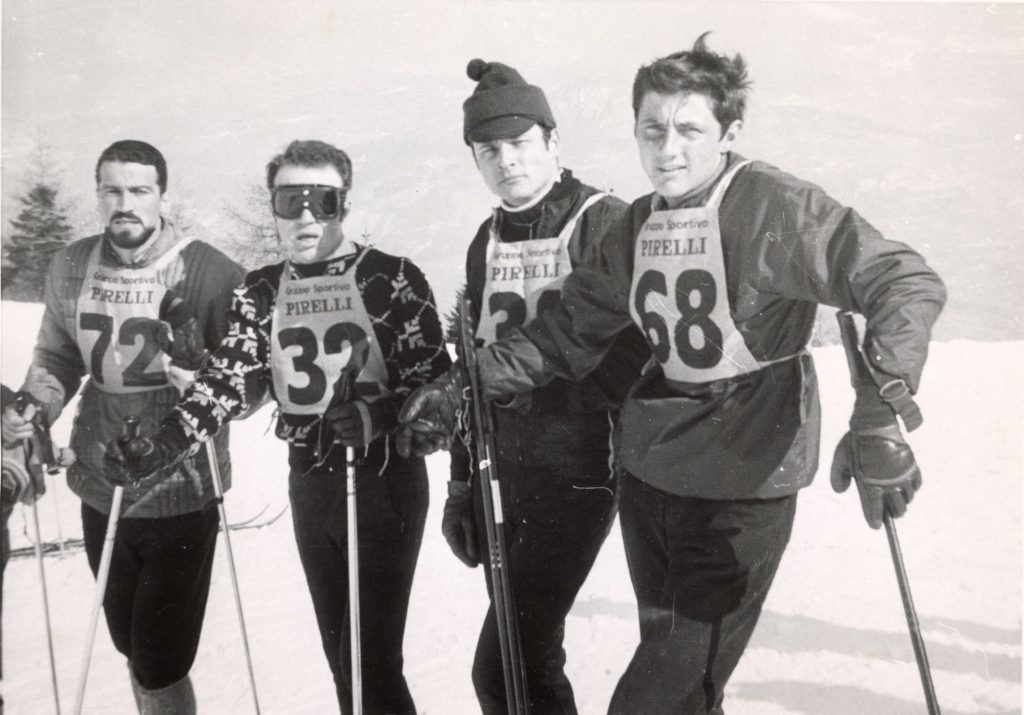
In the Pirelli Foundation articles Winter, a Season to Enjoy, Three Winter Tales, and Winter, Passion and Sport, we explored how winter has long been fertile ground for Pirelli. A season that has fostered product innovation and pioneering communication campaigns, while building up a system of values linked to this “new” time of year. Winter has become something to be lived more freely: travelling safely, having fun, and enjoying winter sports. A world to be shared with company employees outside of working hours, with the founding of the Sport Club Pirelli in 1922. Sports fields and facilities were built directly opposite the Milano Bicocca factory, together with the historic Pro Patria 1883 club, which offered skiing and mountaineering right from the outset. It was also a world to be made known through creative advertising campaigns and the editorial vision of Pirelli’s in-house publications.
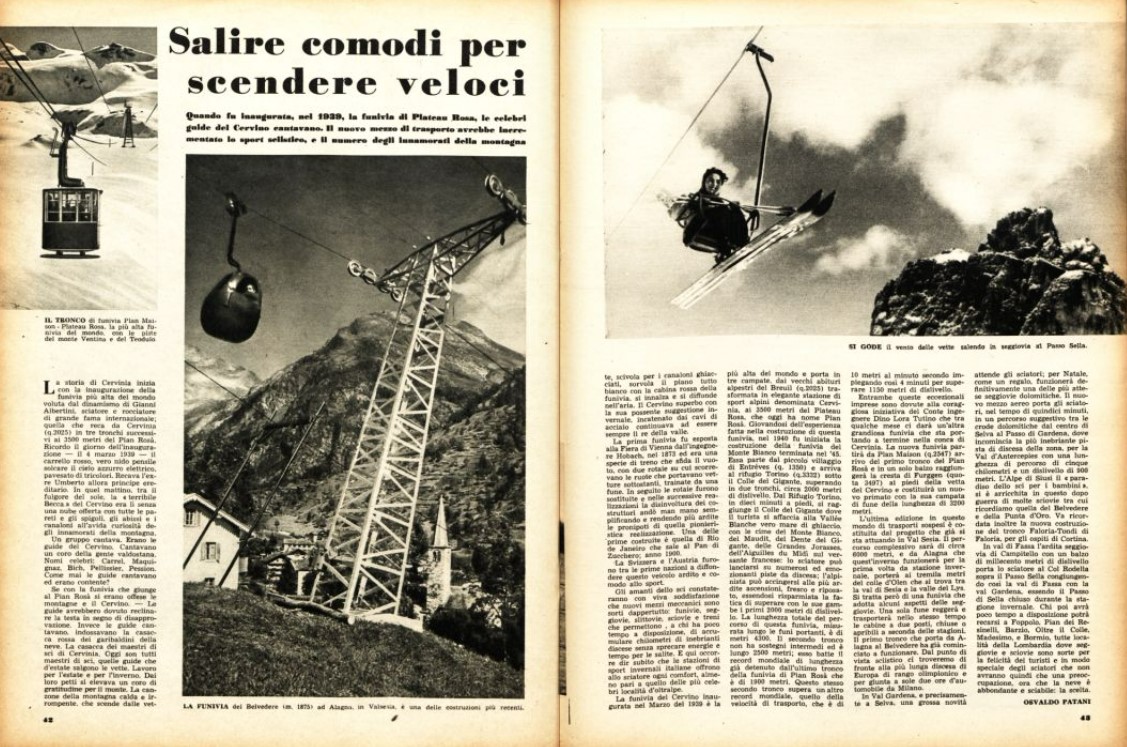
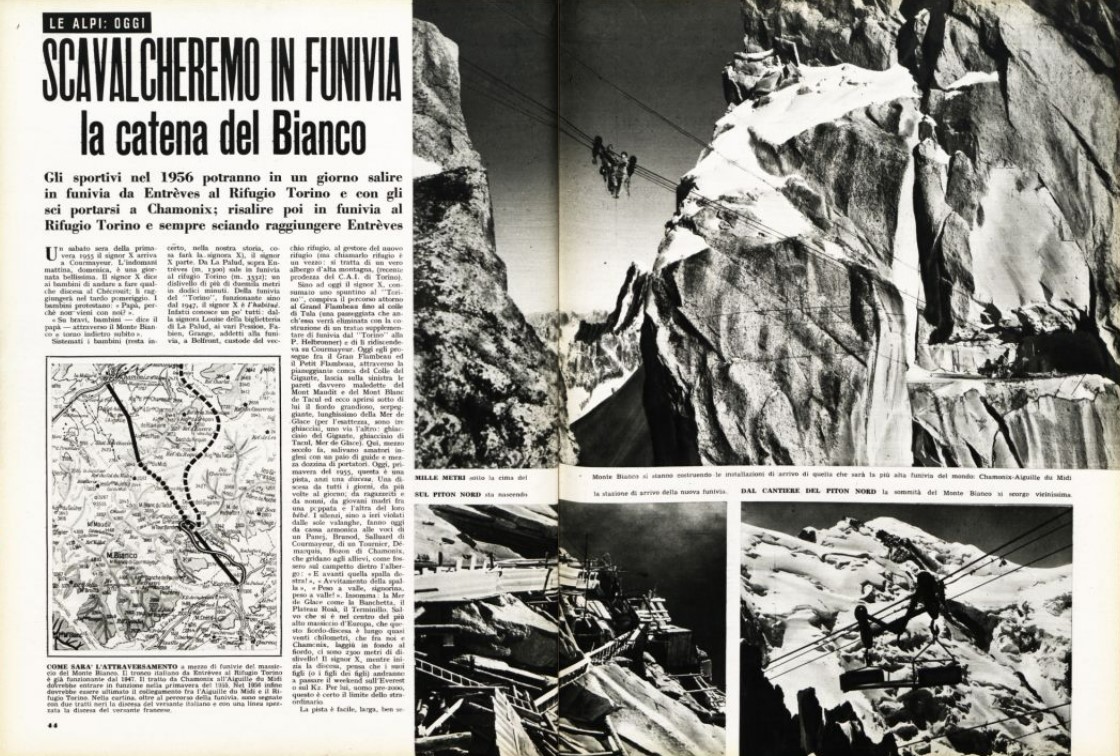
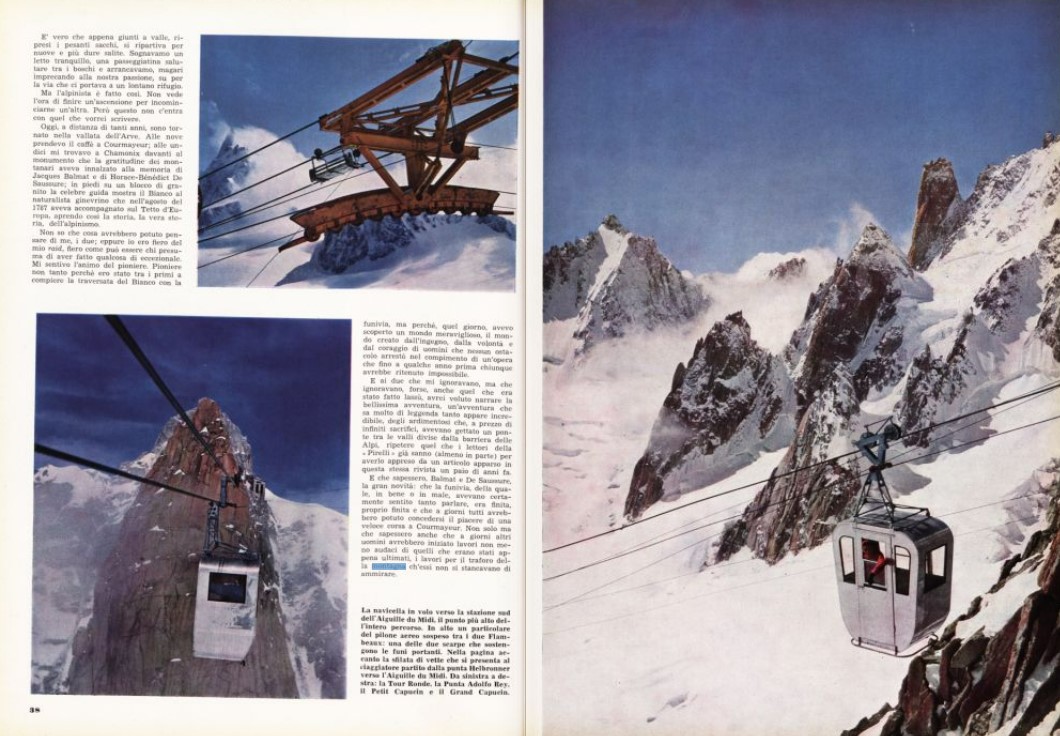
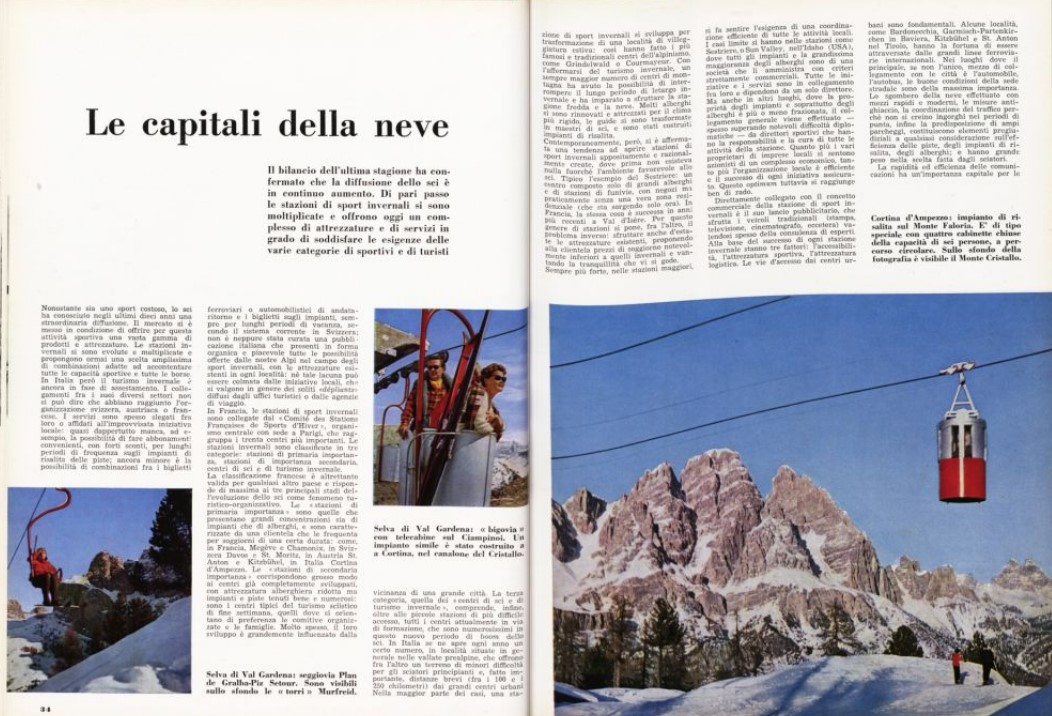
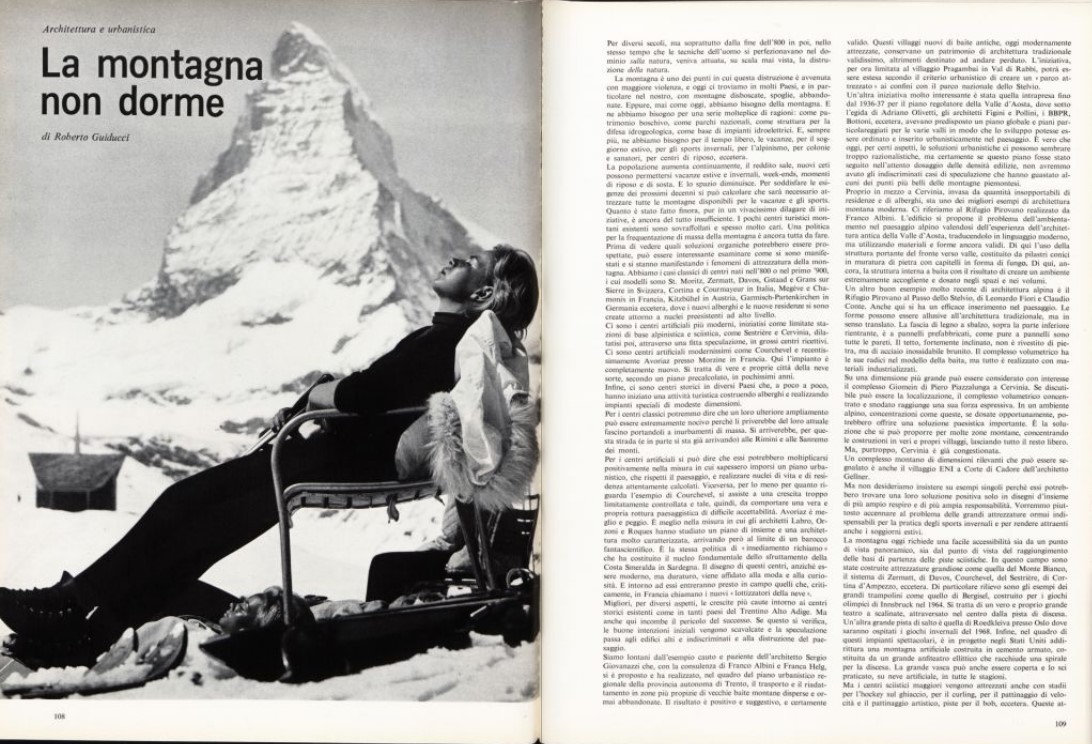
A passion for the mountains became part of the popular imagination in a society eager to achieve success and find new places and lifestyles after the Second World War. Improved economic conditions and technological progress made this possible, and Pirelli played an active role. Pirelli magazine was one of the first to devote articles to the growing accessibility of the mountains, made possible by new technologies. These included, in Pirelli magazine no. 6 of 1949, “Le funivie hanno aperto le porte della montagna” (“Cableways Have Opened up the Mountains”) by Nino Nutrizio; in no. 6 of 1951, “Salire comodi per scendere veloci” (“Up in Comfort, Down at Speed”) with Federico Patellani’s text and photos; in no. 2 of 1954, “Scavalcheremo in funivia la catena del Bianco” (“We’ll Cross the Mont Blanc Chain by Cable Car”) by Franco Pellini; and in no. 4 of 1957, “Andiamo sul Bianco con moglie e bambini” (“Let’s Go to Mont Blanc with Wife and Kids”) by Enzo Gibelli. What we see in Pirelli magazine is a genuine debate about the mountains, examining their many facets: the development of tourist destinations in “Le capitali della neve” (“The Snow Capitals”) by Maria Grazia Marchelli in no. 2 of 1959, “La montagna non dorme” (“The Mountain Never Sleeps”) by Roberto Guiducci in no. 1 of 1967, the promotion of local areas in “I rustici Tabià dell’Ampezzano” (“The Rustic Tabià of Ampezzo”) by Giorgio Soave in no. 6, 1952, and, of course, hiking and winter sports, with their champions, facilities and competitions.
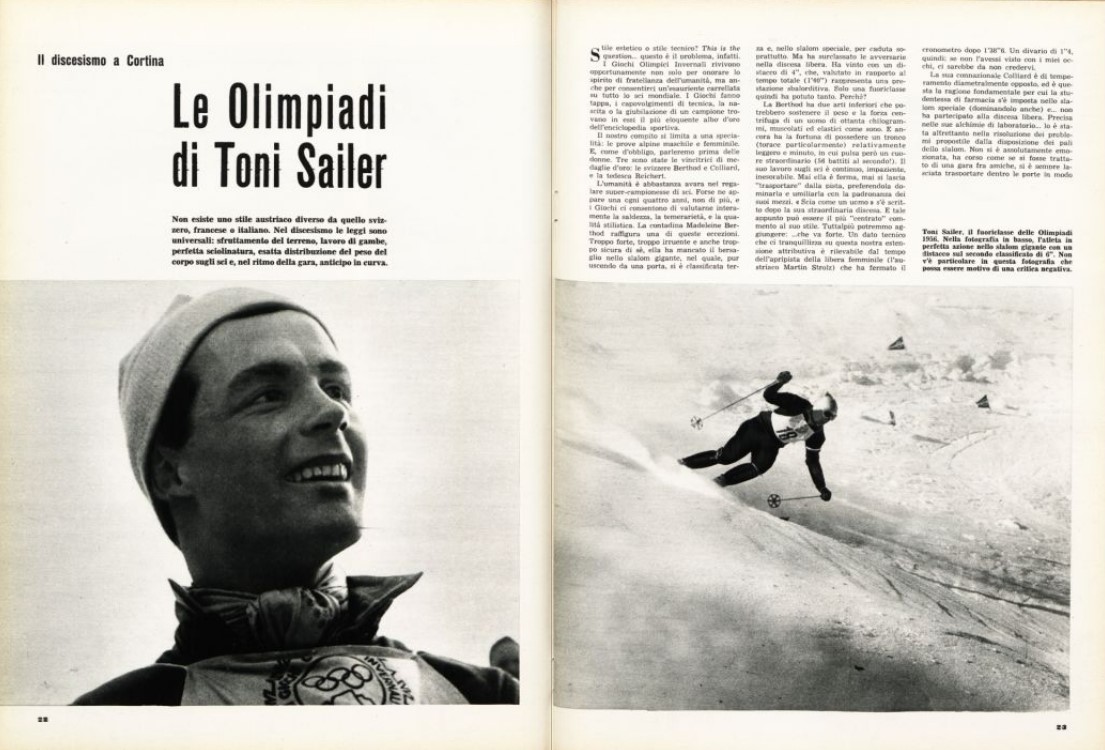
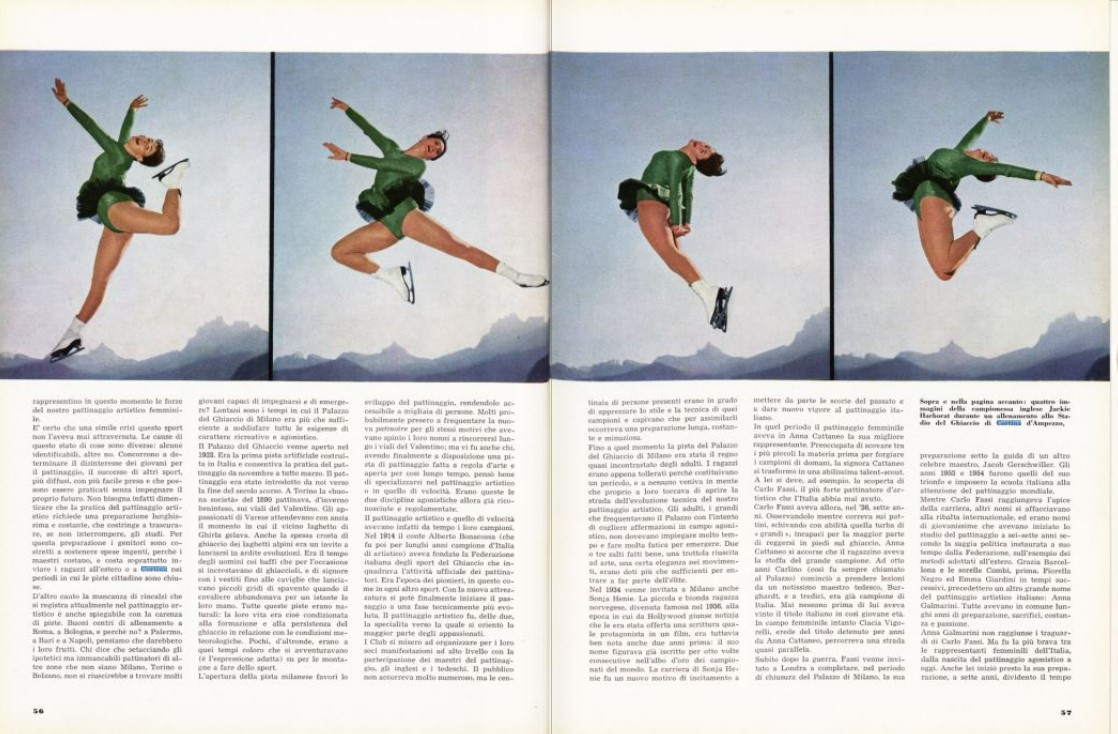
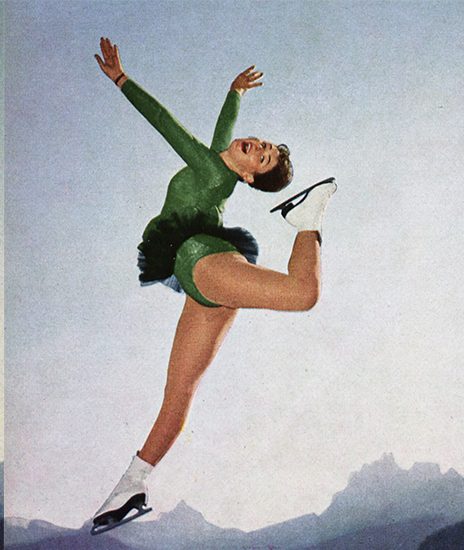
It is within this lively debate that we find the Winter Olympics, with their records and thrills, and Cortina d’Ampezzo, which hosted the VII Winter Olympics in 1956. These were the first Games hosted by Italy and the first to be broadcast live on Eurovision. They inspired a rich series of articles, ranging from reporting to reflection: (“Trentacinque bandiere a Cortina” (“Thirty-five Flags in Cortina”) by Giorgio Fattori (Pirelli magazine no. 6 of 1954); “Le Olimpiadi di Toni Sailer”(“Toni Sailer’s Olympics”) by Rolando Marchi (no. 1, 1956); “Bob a Cortina: quasi un’Olimpiade” (“Bobsleigh in Cortina: almost an Olympics”) by Giorgio Bellani (no. 6, 1959); and “Non ci sono pattinatori” (“There Are No Skaters”) by Guido Otto (no. 2, 1962).
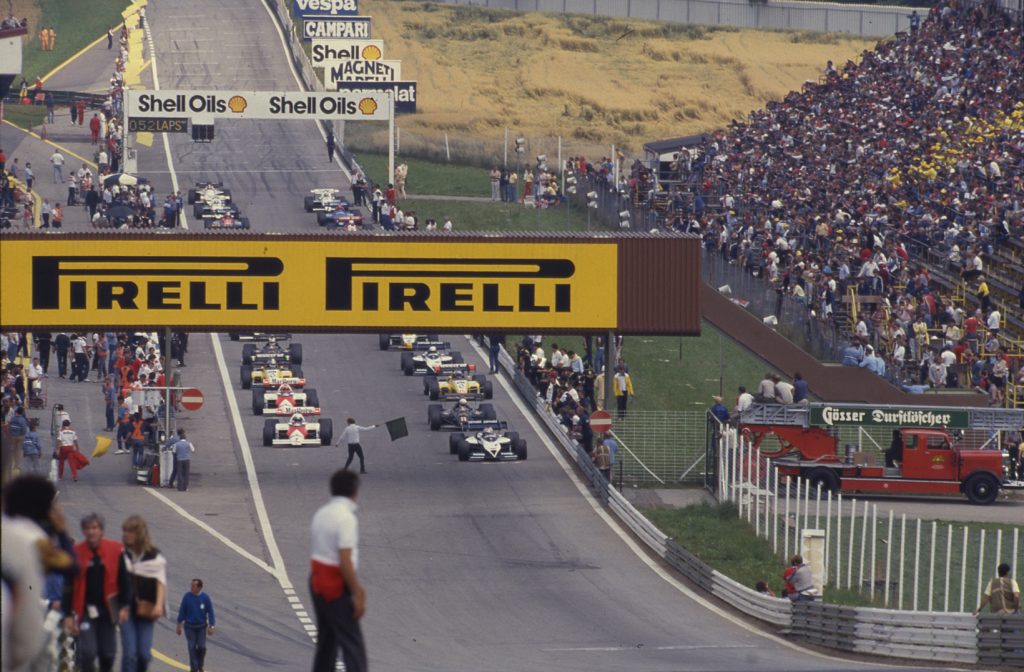
Pirelli’s commitment to sport continued to grow in the following decades, becoming increasingly global. It entered into partnerships in the world of competitive winter sports, from FISI – with a five-year agreement signed in 2017 for the Alpine Ski World Championships organised by the International Ski Federation (FIS) – and the Ice Hockey World Championships with the International Ice Hockey Federation (IIHF) to the XXV Olympic and Paralympic Winter Games Milano Cortina 2026, starting on 6 February 2026.
As an Olympic and Paralympic Partner, Pirelli will equip the entire official Olympic fleet for the XXV Olympic and Paralympic Winter Games Milano Cortina 2026, scheduled for February and March in Lombardy, Veneto and Trentino-Alto Adige. Around 3,000 vehicles supplied by Abarth, Alfa Romeo, FIAT, Fiat Professional, Lancia and Maserati will run exclusively on Pirelli winter and all-season tyres: Cinturato Winter 3, Scorpion Winter 2, P Zero Winter 2 and Cinturato All Season SF3, all winners of the top comparative tests in 2025.
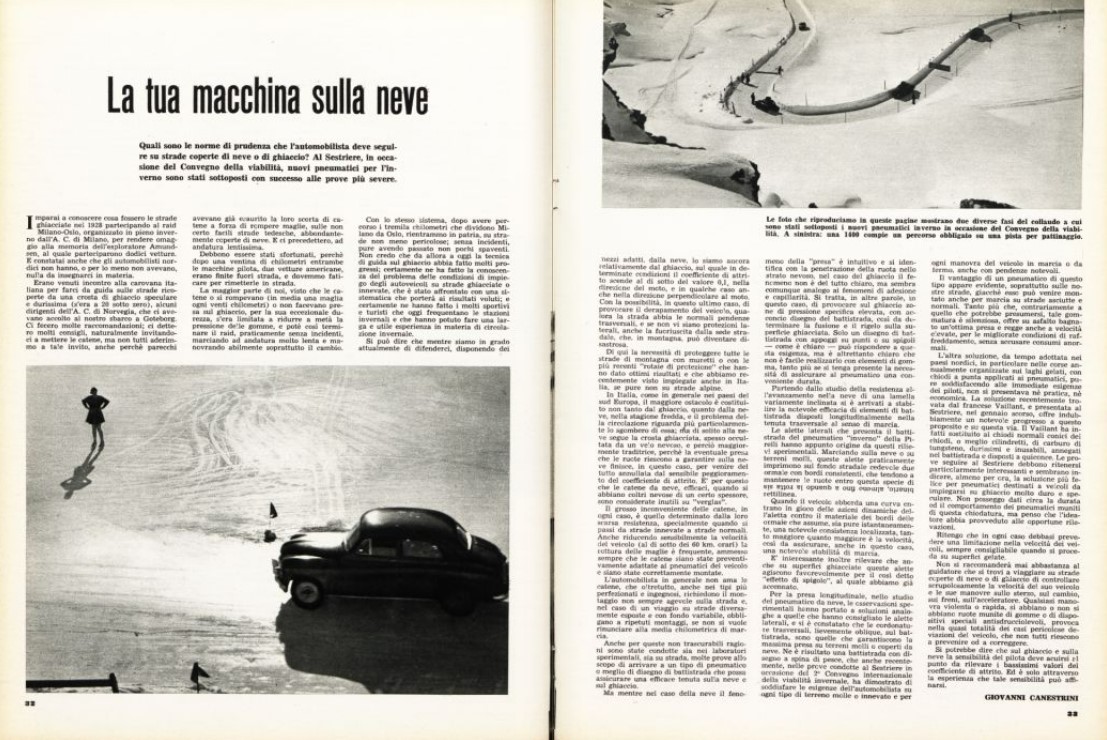
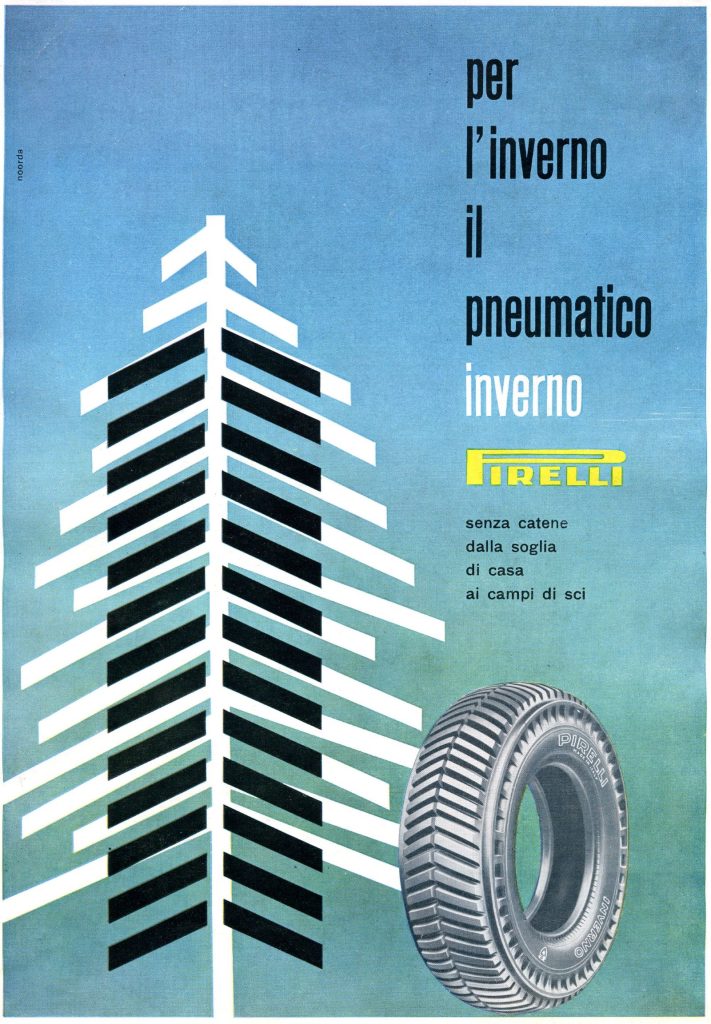
Winter conditions have always challenged Pirelli, from the Inverno, the first winter tyre, with its herringbone tread in 1951, to the Nuovo Inverno in 1959; from the Pirelli BS3 with its separate tread in the same year to the launch of the Pirelli Winter in 1979, which continues today with a wide range for cars, SUVs and vans. From our Historical Archive, the article “La tua macchina sulla neve” (“Your Car on the Snow”) by Giovanni Canestrini in Pirelli magazine no. 1 of 1956, describes the “severest tests” faced by the new Inverno tyres during the 1956 traffic conference in Sestriere. Mastering wet and mountain roads, slopes and snow-covered surfaces, extreme cold and ice – while preserving the beauty of winter travel – is the pride that Pirelli brings to Milan Cortina 2026 today. A pride built on reliability, backed by the strength of history.