


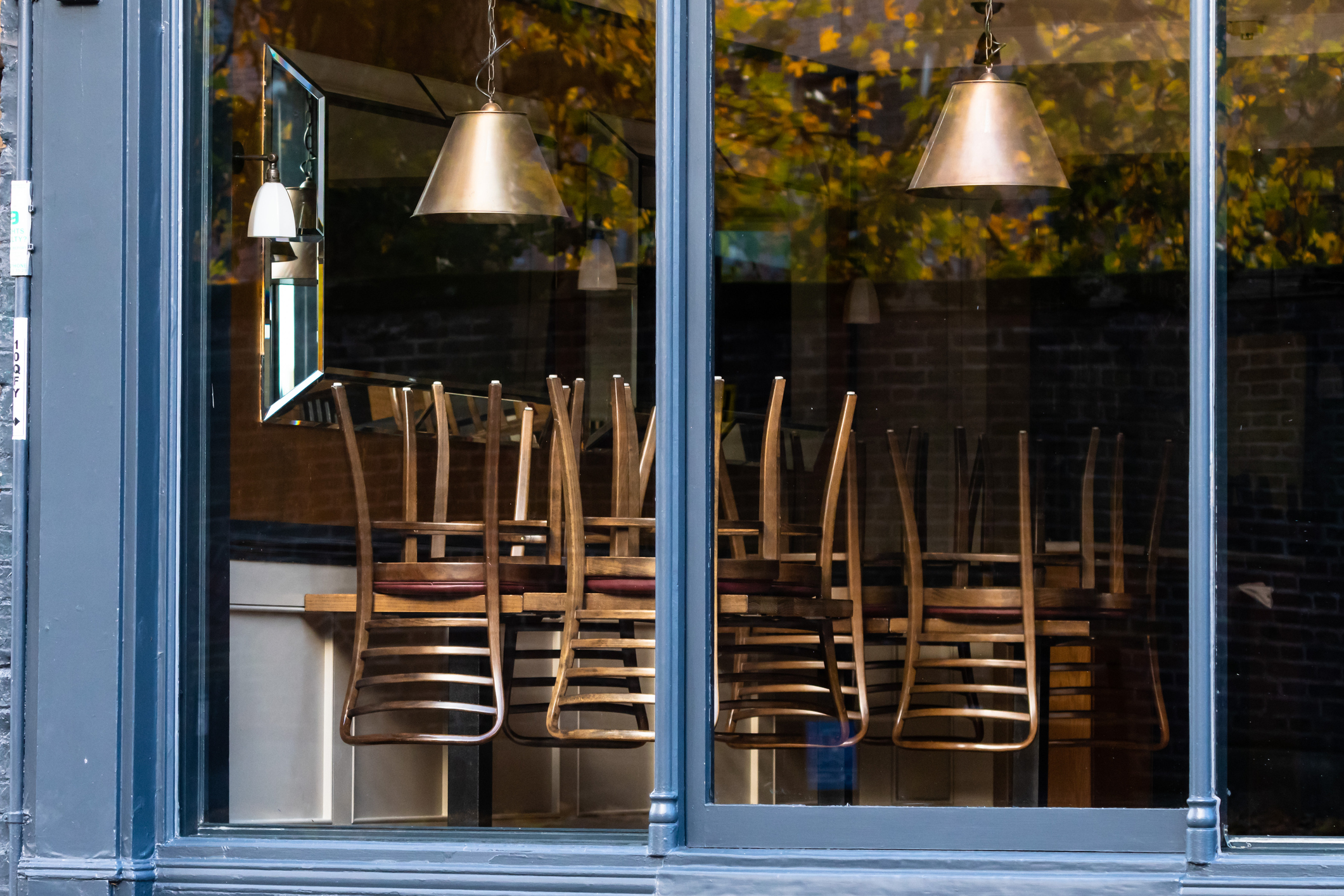
Cities whose shop lights are going dark are poorer and more rundown. The glitz and glamour of luxury shops are no longer enough to make them pleasant places.


Forget about the liveliness of city centres and new neighbourhoods. The current economic crisis has another very striking aspect that has a profound impact on both the quality of urban life and safety. Data from Confcommercio reveals that 17,000 shops closed in 2025, 46 a day, exacerbating a trend that was already very evident: over the course of a dozen years, from 2012 to 2025, 156,000 retail outlets closed, accounting for more than a quarter of the total in Italy.
Deserted cities in the evening, less welcoming, and less safe, particularly in the poorer neighbourhoods where older people live. ‘Desertification’, says Carlo Sangalli, president of Confcommercio, expressing concern over a phenomenon that affects his sector but has a profound impact on the quality of life in cities. The glitz and glamour of luxury and skyscrapers are not enough. We need to rethink what it means to be human.
It’s true that household incomes are falling, as is spending power. Il Sole24Ore reports that purchasing power is below 2025 levels (16 March), partly due to price rises (primarily energy), which are linked to the war in Ukraine and tensions in the Gulf states. These price rises are also reflected in intermediate and consumer goods due to rising commodity prices.
In short, life is getting harder, and the many shop closures are one of the many signs of a decline in quality of life. This has an effect on safety, both real and perceived.
Cities are changing radically. Local shops are becoming increasingly scarce, partly due to high rents. Online sales are booming; their value reached 62.3 billion in 2025, which is an increase of 187% compared to ten years ago. And large shopping centres also have a profound impact on sales patterns, on the concentration of people, and on the flow of people on the streets.
The only businesses experiencing strong growth are bars, restaurants and food outlets. Their shop windows are always lit up, but they are very different from retail shops.
Should we complain about this and try to imagine towns and cities that are more people-friendly and liveable? It’s certainly worth a try. Years ago, for example, a well-known supermarket chain made the shrewd decision to open small branches in the historic centres of small towns, which proved to be a success.
When rethinking urban planning and the ‘15-minute city’ concept, it is important to consider not only the regulations governing daily life in these areas and essential green spaces and communal areas, such as parks and squares for children to play in safely, but also a serious commercial plan to support small businesses, from grocery shops and small bookshops to florists, local traders and small independent bakeries (not part of retail chains). This will help to prevent the area from becoming dominated by Chinese nail salons and street food outlets.
It is the diversity of neighbourhoods that makes a city varied, beautiful, pleasant and liveable. It is diversity that enriches our daily lives.
Cities are living organisms that change, grow and evolve in appearance and habits. They are places of movement and mobility, and urban spaces are market spaces. Cities are markets, but they cannot be left to their own devices. They must be governed, planned and managed intelligently with a vision for the future. This involves responding to economic imperatives, of course, but also to human needs. That is the challenge we face: designing cities with people in mind, without the thousands of shop windows going dark.
(Photo Getty Images)