
The benefits of the special law for Milan and the powers required by the metropolitan city


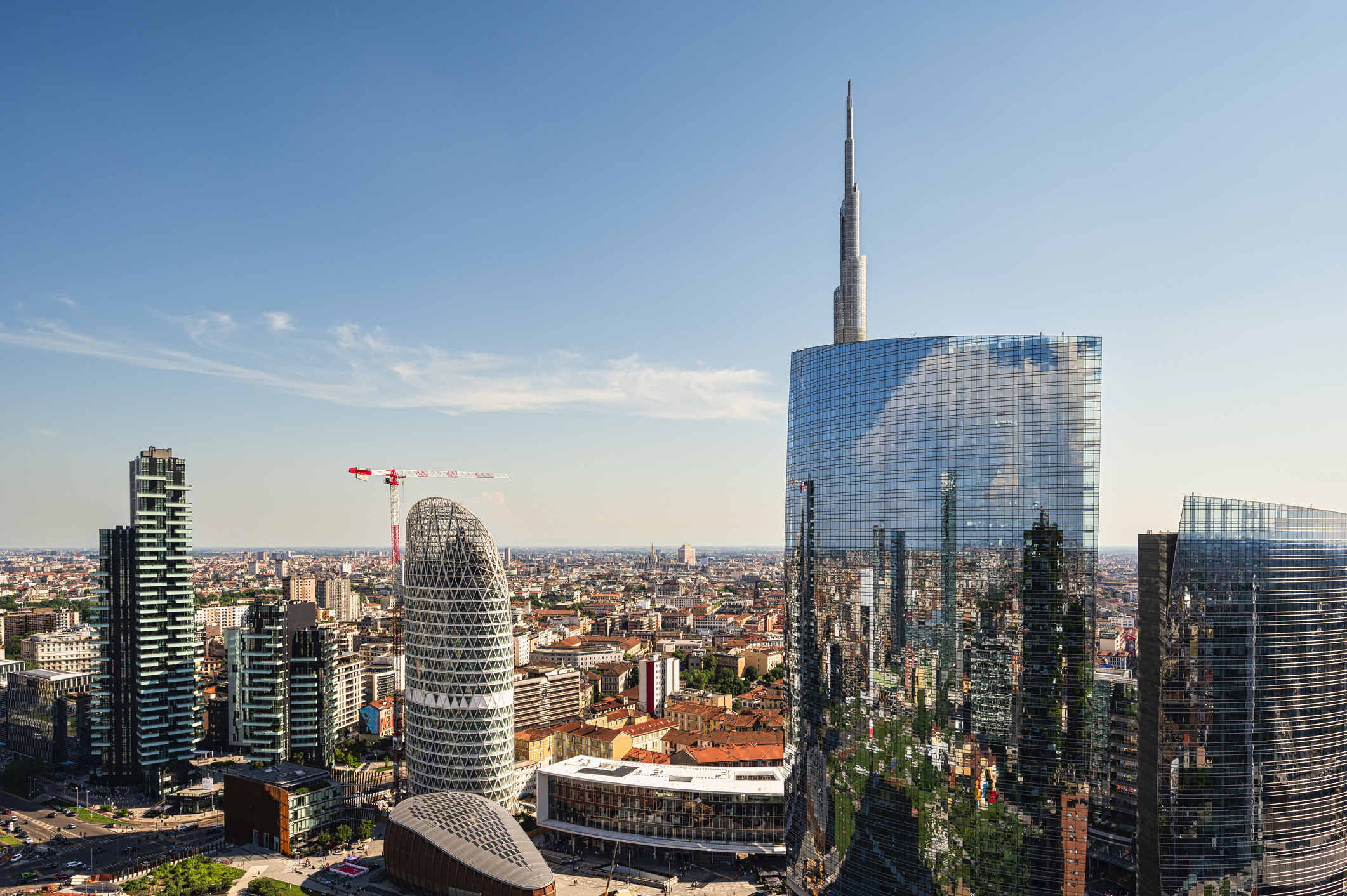
A special law for Milan. The debate has resurfaced just as Parliament is discussing the special law for Rome as the capital, which would provide the city with the necessary powers and resources. Without denying Rome’s rights and needs, which stem from its national and international political functions, institutional representation duties and history, the public debate has been reignited so that Milan may also have powers and resources commensurate with its role in the country and its status as the driving force behind one of Europe’s strongest economies in finance, manufacturing, high-tech services, universities, science and research.
Indeed, we need a special law.
This was discussed recently (Corriere della Sera, 13 April) at a meeting organised by the Centro Studi Grande Milano at the Rizzoli bookshop in the Galleria, attended by politicians, business leaders, journalists, and cultural figures. Daniela Mainini, president of the Research Centre, sums it up clearly: ‘Milan is a hub of ideas and the driving force behind the country, and it deserves special legislation. This would not be a privilege, but a responsibility to provide the city with all the services and powers necessary for its development, which would stimulate and drive the country’s development’.
Two draft bills are being compared: the proposal put forward by Romeo, leader of the parliamentary group of the Lega, which restricts special powers to the regional capital. The other is the centre-left proposal, which calls for legislation covering the entire Milan metropolitan area, comprising 133 municipalities and over 3.25 million inhabitants. The debate is ongoing. Clearly, the only option is to adopt a special law covering the entire metropolitan area.
This debate has implications for urban planning, bureaucracy, the economy, civil society, quality of life and competitiveness.
Let’s take a look at the figures. Milan is a relatively small city with a population of 1.4 million, but every day another million people arrive for work, mostly from the metropolitan area, which has a population of over 3.25 million (the metropolitan area of Rome has a population of 4.5 million). However, Milan and its surrounding area play a much broader role in terms of the economy, finance, technology, education, and culture. For years, Assolombarda’s competitiveness, productivity and development comparisons have placed Milan alongside Europe’s most dynamic metropolitan areas: London, Paris, Berlin, Frankfurt, Barcelona and Munich. The city also tops the rankings for its universities, research centres, new opportunities and financial districts.
Milan competes on the global stage, so naturally it cannot be governed like an ordinary city that remains tied to outdated administrative structures.
We need to take a leap forward, including from an institutional perspective, otherwise we risk being left out of the ongoing formation of new areas of geopolitical competition.
After all, cities and metropolises should be assessed not only in terms of their historical structures, but also, and above all, in terms of the flows of people, ideas, knowledge, relationships, exchanges, healthcare facilities and quality of life they offer. These social structures are in flux and undergoing rapid change, affected by the flow of talent, discoveries and innovations. How can we manage such vast phenomena?
To gain a realistic perspective, we need to look further afield and examine the economic geography of trade and the interlinked relationships within the vast economic region at the heart of Europe. This region encompasses at least four major Italian regions: Lombardy, Piedmont, Veneto and Emilia, while also taking into account the productivity of Liguria, Trentino, South Tyrol and Friuli. All of these regions are deeply intertwined with the economic, technological and cultural drivers of other countries.
However, even if we resist the intellectual temptation to redraw administrative boundaries, the question of a new, more effective administrative system covering at least the metropolitan area remains unresolved.
This brings us back to the Metropolitan City and the special law for Milan. A mayor who is elected by all citizens of the relevant area and who is therefore endowed with political legitimacy and the necessary powers to fulfil their responsibilities. Administrative and bureaucratic reorganisation. Financial resources and effective governance rules. Activities, projects and initiatives relating to transport, services, energy, schools, healthcare, employment and, above all, housing.
There is already talk of equipping the region with tools capable of ensuring effective governance, speed, transparency and efficiency. There are many points in common between the City of Milan and the Region, and between Mayor Sala and Governor Fontana. The prospects of reaching an agreement are real.
For some inspiration, it’s worth reading Italo Calvino: ‘You take delight not in a city’s seven or seventy wonders, but in the answer it gives to a question of yours.’ The first question is this: does living in a city with resources and influence improve your quality of life? And what about the future of younger generations?
(photo: Getty Images)