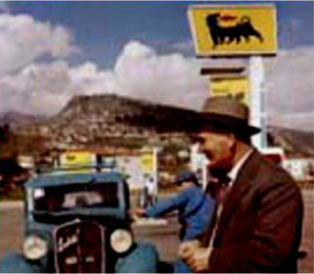


La fabbrica sale sul palco
04 February 2012

Accessibility Come visit us.
Find out moreHelp with your research To access the Historical Archive's documents and materials, please fill out the form to request an appointment.
Request an appointmentHelp with your research To access the Historical Archive's documents and materials, please fill out the form to request an appointment.
Request an appointmentThe Pirelli Foundation Educational Programs
Explore pathsCome visit us.
Come visit us.
To access the Historical Archive's documents and materials, please fill out the form to request an appointment.
Grazie per la tua richiesta
Riceverai una mail di conferma dell'avvenuta ricezione della richiesta e sarai ricontattato.
Grazie per la tua richiesta
Abbiamo ricevuto la tua richiesta. Sarai ricontattato dallo staff di Fondazione Pirelli Educational.
Grazie per la tua richiesta
Abbiamo ricevuto la tua richiesta. Sarai ricontattato al più presto.
Through the eyes of a young woman, we take another look at the exhibit “L’anima di gomma – Estetica e tecnica al passo con la moda” (Heart of Rubber – Beauty and technique in step with fashion) held at the Triennale di Milano from 21 June to 24 July 2011, which told the tale of over a century of industry and customs through photos and other artistic images, multimedia installations, technology and innovation.
It was a celebration of the creativity, technology, design and spirit of innovation that has always characterised both Pirelli and a large part of the Italian cultural and industrial fabric.

Through the eyes of a young woman, we take another look at the exhibit “L’anima di gomma – Estetica e tecnica al passo con la moda” (Heart of Rubber – Beauty and technique in step with fashion) held at the Triennale di Milano from 21 June to 24 July 2011, which told the tale of over a century of industry and customs through photos and other artistic images, multimedia installations, technology and innovation.
It was a celebration of the creativity, technology, design and spirit of innovation that has always characterised both Pirelli and a large part of the Italian cultural and industrial fabric.
Multimedia
Hundreds of patents, designs and trademarks testify to the development and spread of Italian creativity over the last 100 years, and all are on display at the evocative Rotonda in Milan (Via Besana) from 27 November to 29 January 2012 for the Milan stop of “Disegno & Design. Italian patents and creativity”.
The exhibit features icons of Italian design and manufacturing, such as the Vespa, the cat Meo Romeo by Bruno Munari, the Vanity Fair armchair, the Tolomeo lamp, the creations of Ferragamo, and much more, for this update of the content previously presented in Rome in 2009 and in Shanghai in 2010 for the World Expo. “Disegno & Design” is organised by the Valore Italia Foundation and by the Italian Ministry for Economic Development and is being promoted by the Department of Culture, Expos, Fashion & Design of the City of Milan.

Hundreds of patents, designs and trademarks testify to the development and spread of Italian creativity over the last 100 years, and all are on display at the evocative Rotonda in Milan (Via Besana) from 27 November to 29 January 2012 for the Milan stop of “Disegno & Design. Italian patents and creativity”.
The exhibit features icons of Italian design and manufacturing, such as the Vespa, the cat Meo Romeo by Bruno Munari, the Vanity Fair armchair, the Tolomeo lamp, the creations of Ferragamo, and much more, for this update of the content previously presented in Rome in 2009 and in Shanghai in 2010 for the World Expo. “Disegno & Design” is organised by the Valore Italia Foundation and by the Italian Ministry for Economic Development and is being promoted by the Department of Culture, Expos, Fashion & Design of the City of Milan.
For the first time in the Italian capital, MEMORANDUM, the Festival of Historical Photography, will be opening at the San Michele complex, home to Istituto Centrale per il Catalogo e la Documentazione (ICCD) – MiBAC (Rome).
A selection of the second edition of the Festival, held in Turin and Biella in February and March 2011, will be on display from 2 December 2011 to 13 January 2012. The exhibit will include the social study by Giancarlo Terreo (Cassa di Risparmio di Biella Foundation), the photos of the Crimean War by James Robertson (Alberti La Marmora Archives), the photographic depiction of motor racing between the two world wars (Pirelli Foundation), and the first flights of lighter-than-air craft (the Piacenza Family Foundation).
The Festival seeks to promote these largely unknown images of great historical and cultural value and equally great emotional impact by making them visible – in some cases for the first time – to the public at large. This first Rome edition is the prelude to an even larger event scheduled for this spring and, in the words of Laura Moro, director of the ICCD, “seeks to become a prestigious event thanks to its synergy between public and private archives.”

For the first time in the Italian capital, MEMORANDUM, the Festival of Historical Photography, will be opening at the San Michele complex, home to Istituto Centrale per il Catalogo e la Documentazione (ICCD) – MiBAC (Rome).
A selection of the second edition of the Festival, held in Turin and Biella in February and March 2011, will be on display from 2 December 2011 to 13 January 2012. The exhibit will include the social study by Giancarlo Terreo (Cassa di Risparmio di Biella Foundation), the photos of the Crimean War by James Robertson (Alberti La Marmora Archives), the photographic depiction of motor racing between the two world wars (Pirelli Foundation), and the first flights of lighter-than-air craft (the Piacenza Family Foundation).
The Festival seeks to promote these largely unknown images of great historical and cultural value and equally great emotional impact by making them visible – in some cases for the first time – to the public at large. This first Rome edition is the prelude to an even larger event scheduled for this spring and, in the words of Laura Moro, director of the ICCD, “seeks to become a prestigious event thanks to its synergy between public and private archives.”
On Saturday 26th November three key places in Pirelli corporate culture opened their doors to the public. The event took place along a route of 3 stages: Fondazione Pirelli and its historical archive, Bicocca degli Arcimboldi and Hangarbicocca.
The first stage led right into the heart of the Pirelli historical archive with its documents, photos, advertising sketches and films produced over 140 years of history and were also an opportunity for visiting the exhibition spaces of the Fondazione and the exhibition Si va che è un incanto… dedicated to over one hundred years of racing under the banner of the P lunga.
A short distance from the Fondazione Pirelli stands the small historical building which gave its name to the entire area, the “Bicocca degli Arcimboldi”, the country residence of the Arcimboldi family, typical of 15th century Lombardy architecture and decorated internally with a series of frescoes.
During the final stage of the route more than three hundred visitors were taken into the converted industrial space of the Hangarbicocca, today one of the most impressive locations in Milan for contemporary art and currently housing I sette palazzi celesti by Anselm Kiefer and the sculpture by Fausto Melotti La sequenza. It will also be possible to visit the exhibition From here to ear by Céleste Boursier- Mougenot.

On Saturday 26th November three key places in Pirelli corporate culture opened their doors to the public. The event took place along a route of 3 stages: Fondazione Pirelli and its historical archive, Bicocca degli Arcimboldi and Hangarbicocca.
The first stage led right into the heart of the Pirelli historical archive with its documents, photos, advertising sketches and films produced over 140 years of history and were also an opportunity for visiting the exhibition spaces of the Fondazione and the exhibition Si va che è un incanto… dedicated to over one hundred years of racing under the banner of the P lunga.
A short distance from the Fondazione Pirelli stands the small historical building which gave its name to the entire area, the “Bicocca degli Arcimboldi”, the country residence of the Arcimboldi family, typical of 15th century Lombardy architecture and decorated internally with a series of frescoes.
During the final stage of the route more than three hundred visitors were taken into the converted industrial space of the Hangarbicocca, today one of the most impressive locations in Milan for contemporary art and currently housing I sette palazzi celesti by Anselm Kiefer and the sculpture by Fausto Melotti La sequenza. It will also be possible to visit the exhibition From here to ear by Céleste Boursier- Mougenot.
Sunday 27th November 2011, at the Spazio Oberdan in Milan, eleven 35 mm films, chosen from the thousands in which Pirelli is lead player, demonstrated the influence which the idiom of film has had on corporate communication.
There were screenings of historical documentaries and commercials made for Pirelli from 1912 to the end of the Seventies by big names in Italian cinema, including one showing a visit by the King to the Bicocca plant in 1927, a silent film screened with a live musical accompaniment, the commercials by the brothers Gavioli, animation by the brothers Pagot and the “Supermolleggiato Pirelli”, the first commercial by Adriano Celentano.
Eleven films for public viewing thanks to cooperation between Fondazione Pirelli and Cineteca Italiana di Milano which has enabled the Pirelli film archives, a collection of over 300 titles, to be recovered and restored.
The filmfest was opened with talks by Antonio Calabrò, director of Fondazione Pirelli, and Matteo Pavesi, director of Fondazione Cineteca Italiana.
At the end of the screening free copies of the Pirelli in 35mm DVD were given out.
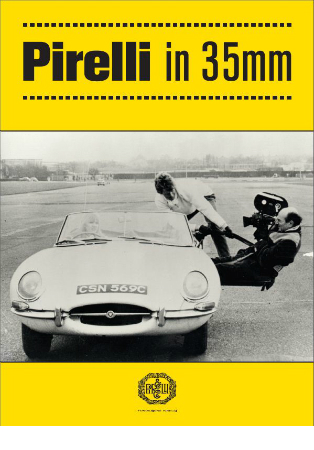
Sunday 27th November 2011, at the Spazio Oberdan in Milan, eleven 35 mm films, chosen from the thousands in which Pirelli is lead player, demonstrated the influence which the idiom of film has had on corporate communication.
There were screenings of historical documentaries and commercials made for Pirelli from 1912 to the end of the Seventies by big names in Italian cinema, including one showing a visit by the King to the Bicocca plant in 1927, a silent film screened with a live musical accompaniment, the commercials by the brothers Gavioli, animation by the brothers Pagot and the “Supermolleggiato Pirelli”, the first commercial by Adriano Celentano.
Eleven films for public viewing thanks to cooperation between Fondazione Pirelli and Cineteca Italiana di Milano which has enabled the Pirelli film archives, a collection of over 300 titles, to be recovered and restored.
The filmfest was opened with talks by Antonio Calabrò, director of Fondazione Pirelli, and Matteo Pavesi, director of Fondazione Cineteca Italiana.
At the end of the screening free copies of the Pirelli in 35mm DVD were given out.
Thank you for your request
You will receive an email confirming your subscription to the newsletter.